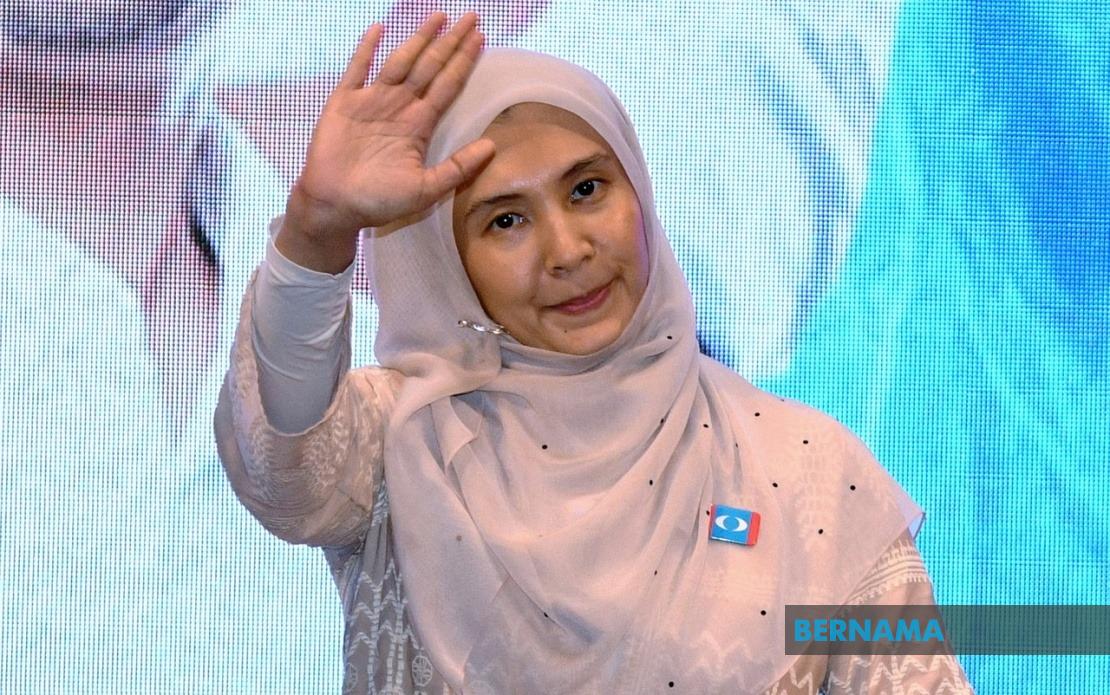
Nurul Izzah Anwar, the daughter of Malaysian Prime Minister Anwar Ibrahim, has stepped down from her position as deputy president of the People's Justice Party (PKR), citing a desire to pursue further studies and broaden her service beyond the formal structures of politics. The decision, announced through a Facebook post on August 6, represents a significant shift in the PKR leadership hierarchy and marks a deliberate pivot in her personal priorities at a crucial juncture for both the party and the nation's political landscape.
In explaining her departure from the deputy president role, Nurul Izzah emphasised that the choice was made only after careful deliberation, underscoring her commitment to maintaining meaningful engagement with community concerns without necessarily channelling such efforts through conventional party mechanisms. Her statement suggested that stepping back from formal party office would create the necessary bandwidth for educational advancement whilst preserving her capacity to contribute to societal progress in alternative ways. This framing reflects a broader conversation within Malaysian politics about how younger political figures can balance ambition, personal development, and service obligations.
Crucially, Nurul Izzah stressed that her departure from the deputy president position does not constitute a withdrawal from PKR itself. She reaffirmed her status as a party member and reiterated her backing for the political agenda championed by her father and the party establishment. Her continued support for Anwar Ibrahim's vision for building a stronger Malaysia underscores the distinction between stepping back from executive responsibility and abandoning political commitment, a nuance that carries weight in Malaysian party dynamics where familial and leadership loyalties remain deeply intertwined.
The PKR leader took care to acknowledge the faith and confidence invested in her by various quarters within the party organisation. Her gratitude extended across multiple levels—from senior party leadership to grassroots members—recognising the collective effort and personal sacrifice that have characterised her political journey to date. This measured and respectful tone in her departure speech stands in contrast to more contentious exits from political office that Malaysian politics has occasionally witnessed, suggesting an amicable transition that preserves relationships within party structures.
PKR vice-president Datuk Seri Saifuddin Nasution Ismail will assume the role of acting deputy president, stepping into responsibilities previously held by Nurul Izzah. The Central Leadership Council formalised this arrangement following discussion of her request to relinquish the position, with the transition taking effect after the upcoming PKR National Congress. Saifuddin, who has established himself as a steady hand within the party hierarchy, was identified by Nurul Izzah herself as capable of handling the elevated responsibilities with appropriate wisdom and attention to detail.
Alongside Saifuddin's elevation, Datuk Seri Amirudin Shari will take on the role of PKR election director, reflecting a broader recalibration of responsibilities within the party's leadership apparatus. This dual reassignment suggests deliberate strategic thinking about how to optimise the distribution of senior party roles, positioning experienced operatives to manage both day-to-day party affairs and the crucial function of electoral strategy—matters of considerable importance for PKR's positioning in Malaysian politics ahead of future electoral contests.
The timing of Nurul Izzah's decision, announced just days before the PKR National Congress scheduled for August 15 and 16 in Melaka, allows the party to address the succession question at its premier gathering. This ensures that membership across all levels can be briefed on the change of direction simultaneously, maintaining transparency and providing space for discussion at the grassroots level. Nurul Izzah's expressed intention to meet party members at the congress suggests her desire to personally explain her decision and maintain direct engagement with the broader membership base.
From a broader perspective, Nurul Izzah's decision reflects evolving patterns within Malaysian politics regarding work-life balance and personal development among second-generation political leaders. The choice to pursue further studies at a relatively senior level within a major political party signals confidence in one's political standing and perhaps a deliberate rejection of the notion that political relevance requires constant engagement in formal organisational roles. This may resonate with younger Malaysians increasingly questioning the necessity of climbing traditional hierarchical ladders within established institutions.
The smooth nature of this transition also offers insights into PKR's current institutional stability. Unlike previous periods marked by internal friction and competing power centres, the party's leadership appears capable of accommodating such adjustments without visible discord. The Central Leadership Council's swift agreement to grant Nurul Izzah leave from her duties, coupled with the apparent readiness of Saifuddin and Amirudin to assume expanded roles, suggests a functioning internal apparatus with clear succession planning mechanisms.
For Anwar Ibrahim, the development presents a pragmatic resolution to potential questions about succession and merit-based advancement within PKR. By supporting his daughter's decision to step back rather than insisting on her retention in high office, the prime minister demonstrates institutional maturity and willingness to separate personal relationships from governance considerations—a posture that strengthens his government's credibility in eyes of those concerned about nepotism in Malaysian politics.
The implications for Southeast Asian political observers are noteworthy as well. Malaysia's ruling coalition continues navigating the delicate balance between dynastic politics and meritocratic governance, and Nurul Izzah's decision to deprioritise formal party office while remaining a committed member offers a compromise model that addresses some concerns about entrenched family control whilst acknowledging the reality that political networks and family connections remain influential in the region's politics.
Looking ahead, Nurul Izzah's shift in focus creates space within PKR's leadership structure for other talented individuals to advance, potentially refreshing the party's internal hierarchy with voices and perspectives untethered to established power networks. Whether this leads to substantive organisational renewal or merely reshuffles existing power relationships will become apparent as the party moves beyond this transition period.

