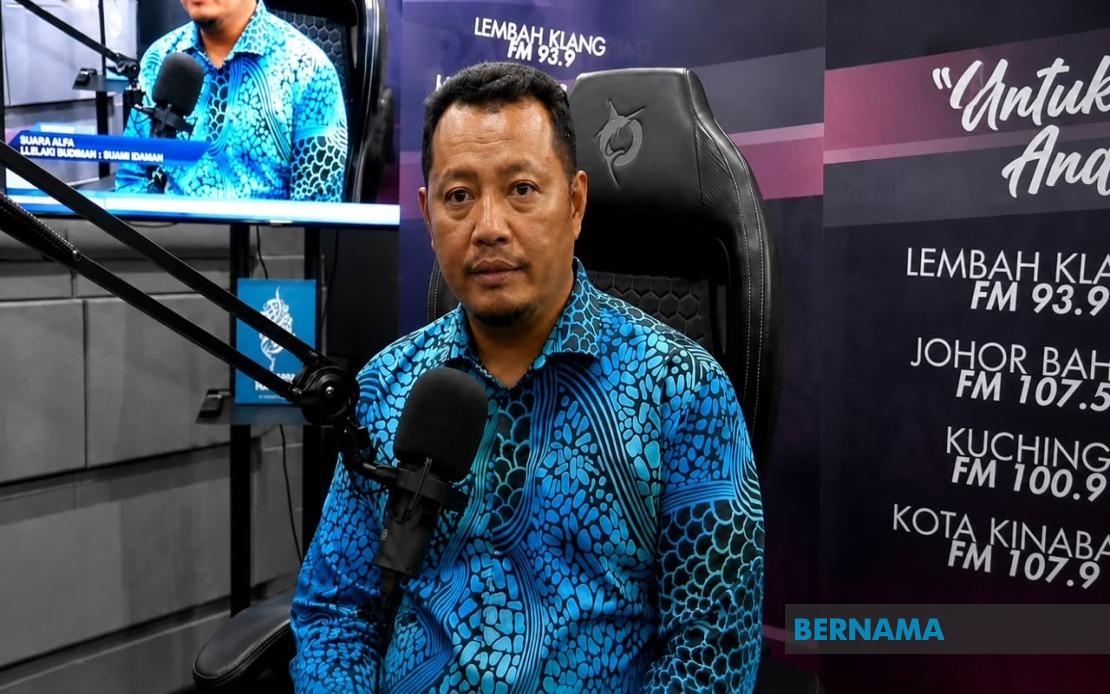
The formation of responsible and virtuous men hinges fundamentally on the experiences and guidance they receive during their formative years, according to an official from Malaysia's National Population and Family Development Board. Md Noh Saiman, chief assistant director of the board's Counselling and Intervention Unit, argued that the window for shaping character and values opens earliest in childhood and adolescence, when young people absorb lessons most readily from their immediate environment. Speaking on a Bernama Radio programme examining the qualities of an ideal husband, he underscored that what children witness and internalize from their parents becomes the bedrock of their adult personalities and ethical frameworks.
The role of parenting styles cannot be overstated in this developmental process, as the examples parents demonstrate day-to-day serve as powerful templates for behaviour. Rather than relying on explicit instruction alone, young people acquire values through observation and mimicry of parental conduct. This observation-based learning means that mothers and fathers who embody the qualities they wish to instil—honesty, patience, responsibility—are far more effective than those who merely preach such virtues without demonstrating them.
Md Noh expanded the definition of a gentleman beyond superficial charm or romantic gestures, positioning it instead as a multifaceted set of qualities rooted in substance. True gentlemanliness, he argued, comprises genuine sincerity, moral integrity, and a readiness to bear responsibilities without expectation of recognition or reward. This framing shifts the concept from performative politeness to authentic character—a distinction that resonates particularly in contemporary society where appearances can be carefully curated through digital channels.
One concrete expression of gentlemanly responsibility lies in the domestic sphere, where husbands who actively participate in household management and child-rearing demonstrate commitment to partnership rather than hierarchy. Rather than viewing childcare and family administration as tasks outside their domain, men who shoulder these responsibilities show they understand marriage as a collaborative endeavour. Such involvement carries broader implications for gender dynamics, as women with supportive partners gain the confidence and practical freedom to pursue professional ambitions and personal development without being constrained by household burdens.
The LPPKN's Lelaki Idaman Programme, or Ideal Man Programme, serves not merely as a celebration of men already embodying desired qualities but as a transformative initiative for those seeking self-improvement. By framing the programme as a platform for paradigm shift, the board acknowledges that personal development is achievable at any stage of life. This approach eliminates fatalism from the equation; men who have received inadequate early guidance need not remain trapped by their backgrounds, provided they possess the willingness to change and the support systems to facilitate growth.
A hallmark of mature masculinity, according to Md Noh, is the capacity to accept constructive criticism as opportunity rather than affront. Many men struggle with feedback delivery and reception, particularly when criticism comes from sources they perceive as less authoritative or from women in traditional contexts where male authority was assumed. The ability to extract value from correction regardless of its source reflects emotional intelligence and genuine commitment to self-improvement.
The modern digital landscape complicates efforts to cultivate traditional virtues by introducing competing narratives about masculinity. Social media platforms and online spaces bombard both men and women with varied depictions of what an ideal man should be, many reinforcing outdated or harmful stereotypes. From hyper-masculine personas that reject emotional vulnerability to influencers promoting consumerism as a marker of success, digital channels propagate multiple contradictory models. Parents and mentors must now actively help young people navigate these influences, developing critical literacy about media representations while anchoring children's values in deeper principles.
The strengthening of family institutions stands as perhaps the ultimate goal of efforts to foster responsible masculinity. When men understand their role as one involving genuine support and partnership rather than mere financial provision or unquestioned authority, families become spaces of mutual respect and collaboration. Such families become stronger units capable of weathering challenges, and they model for the next generation what healthy relationships look like. In this way, the personal transformation of individual men has exponential effects across generations and communities.
For Malaysia specifically, where rapid urbanization and modernization are reshaping traditional family structures, the emphasis on intentional character development addresses real anxieties about social cohesion. As women increasingly participate in the workforce and pursue higher education, the renegotiation of domestic roles requires men willing to adapt without experiencing it as loss. The LPPKN's framework suggests that genuine strength and honour lie not in clinging to outdated hierarchies but in evolving to meet contemporary realities while maintaining moral foundations.
The challenge for parents, educators, and community leaders involves creating environments where young men encounter consistent modelling of the virtues deemed important. This demands not just rhetorical commitment but practical investment in mentorship, community programmes, and family support systems. Schools might integrate character education more deliberately; workplaces might examine how their cultures either enable or obstruct men's participation in family life; and religious and community institutions could offer spaces where men discuss the genuine challenges of embodying responsibility in modern contexts.

