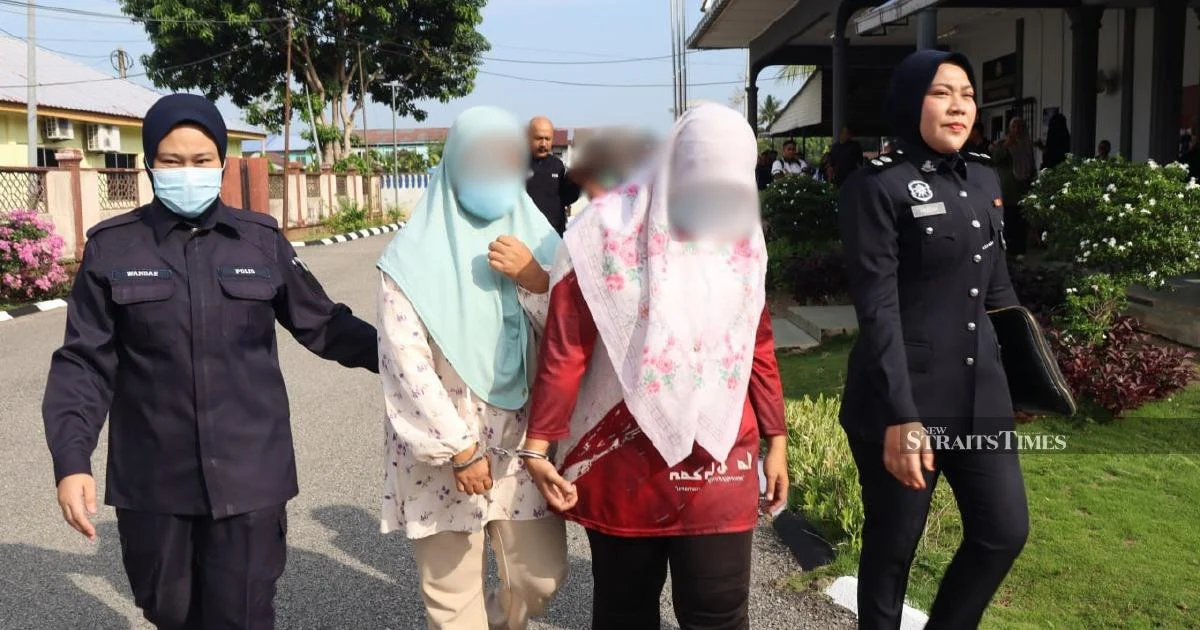
A coordinated law enforcement operation in Pekan has resulted in the detention of five individuals suspected of operating an illicit network dealing in fraudulent medical documents. The group includes a healthcare professional employed in the nursing sector, marking a significant breach of trust within Malaysia's medical establishment. Police have ordered custodial remand periods ranging from three to four days to facilitate ongoing investigations into the scope and scale of their alleged wrongdoing.
The involvement of a qualified nurse in the distribution of fake medical certificates underscores a troubling vulnerability in Malaysia's healthcare verification systems. Licensed medical professionals occupy positions of considerable authority and access within the healthcare framework, making their participation in document forgery schemes particularly concerning for regulatory authorities. The arrest signals that organized efforts to circumvent legitimate medical channels may extend beyond opportunistic individuals acting alone, instead suggesting a coordinated operation with multiple layers and participants.
Fake medical certificates represent a persistent problem across Malaysian workplaces and administrative systems. Employers across various sectors rely on these documents as evidence that employees are genuinely unwell and unable to perform duties. The circulation of counterfeit MCs undermines workplace integrity, increases absenteeism rates artificially, and creates cascading costs for businesses relying on accurate staffing projections. From a broader societal perspective, the normalization of forged medical documents erodes confidence in official health documentation and complicates legitimate occupational health monitoring.
The detection of this particular network demonstrates that law enforcement agencies are intensifying efforts to identify and dismantle such operations. The police investigation has progressed sufficiently to justify remand orders, indicating authorities have gathered preliminary evidence suggesting the suspects' involvement in both the supply and demand sides of the counterfeit MC trade. The decision to remand all five suspects simultaneously suggests investigators are pursuing coordinated action against what appears to be an organized scheme rather than isolated instances of document fraud.
The inclusion of purchasing activities alongside selling charges indicates that police are targeting both producers and consumers within this illegal ecosystem. Individuals buying fake MCs face equal legal jeopardy as those manufacturing or distributing them. This dual-focus approach reflects a sophisticated understanding that disrupting illicit markets requires addressing both supply and demand factors. Prosecuting buyers alongside sellers creates deterrent effects throughout the market chain and signals that complicity in document fraud carries genuine legal consequences.
The Pekan location of these arrests reflects no geographic immunity for such operations in Malaysia. The Pahang district has experienced its share of white-collar crime and document fraud cases, though the involvement of a healthcare worker elevates the profile and severity of this particular investigation. Police capabilities have improved substantially in recent years at detecting forged documents through digital verification systems and inter-agency coordination, making operations of this type increasingly hazardous for perpetrators.
The healthcare sector in Malaysia maintains strict professional codes governing the conduct of nurses and other registered practitioners. A healthcare worker participating in medical certificate fraud represents a breach of professional obligations and potentially violates the Health Professions Act and related regulatory frameworks. Beyond criminal liability, the involved nurse will almost certainly face disciplinary proceedings before the Malaysian Nursing Board, with possible consequences including suspension or permanent deregistration from the profession.
The three to four-day remand period provides investigators with time to examine digital communications, financial records, and documentary evidence linking the suspects to the alleged scheme. Authorities will likely seek to establish how long the operation functioned, how many counterfeit certificates were produced, and the financial gains involved. Such investigations typically expand outward from initial arrests to identify broader networks and individual clients who may have purchased fake documents.
Malaysian employers have increasingly adopted stronger verification protocols in response to the persistence of fake medical certificate schemes. Many organizations now conduct spot-checks with healthcare providers and utilize digital verification systems before accepting MC submissions. The involvement of a healthcare professional in producing fraudulent documents, however, suggests that even these enhanced safeguards may face determined circumvention attempts by perpetrators with inside knowledge of medical documentation standards and procedures.
The case carries implications for occupational health policy and workplace discipline frameworks across Malaysia's private and public sectors. Companies may respond to such arrests by implementing even stricter MC verification procedures, potentially creating friction in employer-employee relationships and raising questions about privacy and trust. Simultaneously, the detection of this scheme provides reassurance that regulatory authorities possess adequate investigative capacity to pursue healthcare professionals who betray their professional standing through participation in fraud.
As the investigation progresses, the remanded suspects will appear before magistrates for decisions on extending custody periods or granting bail. The evidence compiled during the remand period will substantially shape the trajectory of criminal proceedings and potential charges filed against each individual. The case represents a critical inflection point in addressing document forgery within Malaysia's occupational health system and demonstrates that even established healthcare professionals risk prosecution for compromising the integrity of medical documentation.