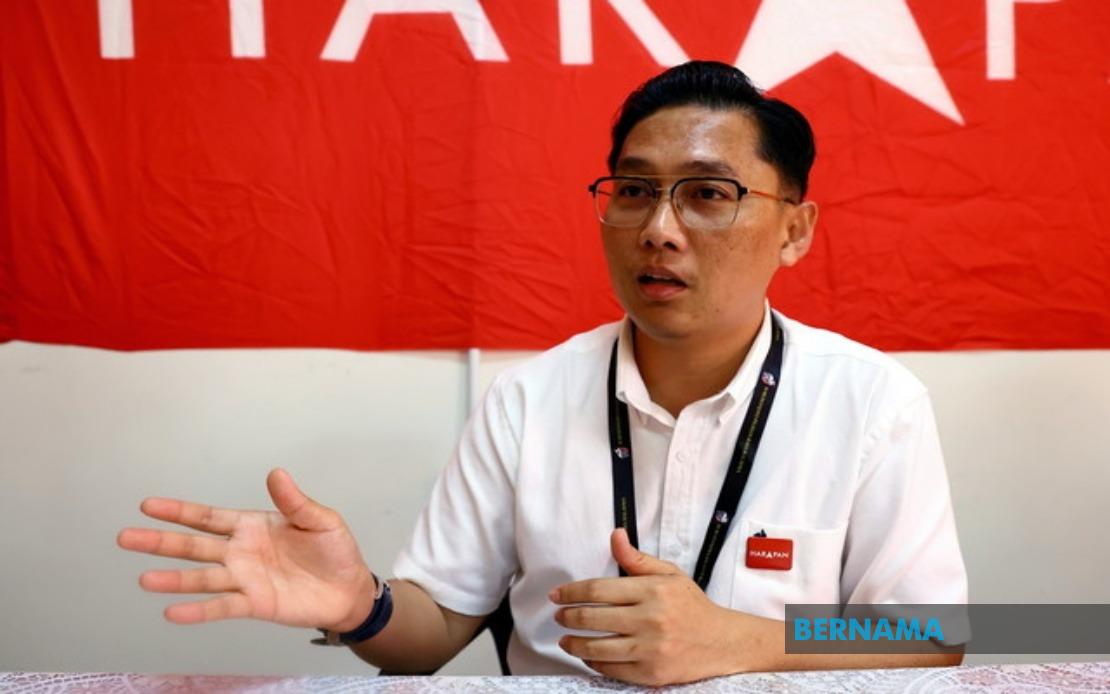
The demographic paradox facing Machap state constituency in Johor presents a stark challenge to all candidates contesting the coming state election. While official electoral roll figures reveal that voters between 25 and 45 years constitute nearly 51 per cent of the registered electorate, the tangible reality on the ground tells a different story—most of these young adults have departed to build their careers and lives in distant cities and countries. This disconnect between voter registration and actual resident demographics underscores the urgency with which Pakatan Harapan candidate Nur Hafiz Roslan is approaching his campaign.
In an interview during campaigning in the constituency, Nur Hafiz articulated his understanding of the root causes driving this generational exodus. Rather than dismissing the phenomenon as simple economic migration in pursuit of higher wages, he identified deeper structural deficiencies within Machap itself. The absence of adequate jobs locally, combined with infrastructure gaps that limit both quality of life and business development potential, has compelled hundreds of young residents to seek opportunities elsewhere. A significant portion of these emigrants have settled in Singapore and the Klang Valley, sending remittances home while their families age in place.
The demographic consequences are becoming increasingly acute. Nur Hafiz highlighted that approximately 60 per cent of those currently residing permanently in Machap are senior citizens, a proportion that reflects years of continuous outmigration among working-age adults. This shift has profound implications for the constituency's future vitality, local economy, and the sustainability of its communities. It also raises questions about whether such constituencies can sustain themselves without deliberate intervention to reverse these trends.
Understanding that traditional campaign methods would fail to reach the majority of his actual electorate, Nur Hafiz's strategy pivots toward digital engagement. Recognising that campaign rallies and door-to-door canvassing cannot effectively reach voters scattered across Singapore and the Klang Valley, the Pakatan Harapan campaign has substantially escalated its social media presence. Through carefully targeted digital outreach, campaign messages and manifesto commitments are being transmitted directly to these distant voters, attempting to ensure their voices remain connected to their hometown's political process.
At the heart of Nur Hafiz's campaign platform lies a commitment to address the very infrastructure shortcomings that contributed to the exodus. His manifesto emphasises improving basic infrastructure throughout Machap and specifically pledges enhanced internet connectivity across the constituency. In an era where digital infrastructure increasingly determines economic opportunity and quality of life, broadband expansion represents a tangible step toward making Machap more competitive and attractive to young professionals and entrepreneurs.
Nur Hafiz has drawn significance from the meaning of his own name, interpreting his candidacy as symbolic. The word Nur signifies light in Arabic and Malay, prompting him to frame his candidacy as bringing renewal and hope to a constituency facing demographic decline. By positioning himself as a catalyst for change, he is attempting to shift the narrative from resignation about Machap's trajectory toward optimism about its potential revitalisation. This symbolic dimension may resonate particularly with younger voters who associate their exodus with a loss of hope and opportunity.
Crucially, Nur Hafiz has directly appealed to emigrants to return home specifically to cast their votes in the July 11 Johor state election. His message emphasises that every vote from outstation voters carries exceptional weight in determining whether substantive change can occur. He has framed voting as a civic responsibility that extends beyond routine democratic participation, positioning it instead as an investment in parental welfare and the constituency's collective future. This appeal carries emotional weight, invoking filial duty alongside political choice.
The electoral contest in Machap represents a direct clash between continuity and change. Nur Hafiz faces Datuk Onn Hafiz Ghazi, the incumbent Machap representative and current Johor Menteri Besar, in what has become a straight two-way battle. Onn Hafiz's position as state chief minister grants him significant resources and influence, yet he simultaneously bears responsibility for the policies and conditions that have driven youth outmigration over the tenure of his administration. The election will partly serve as a referendum on whether Barisan Nasional's existing approach has adequately addressed these demographic and economic challenges.
The broader context matters significantly for Malaysian observers. Machap's experience reflects patterns visible across multiple rural and semi-rural constituencies nationwide, where young residents migrate toward urban centres and neighbouring countries in search of superior employment, education, and infrastructure. The question of how to retain and attract young talent back to less-developed areas has become increasingly central to development policy discussions at state and federal levels. A Pakatan Harapan victory here, predicated on promises of infrastructure modernisation and job creation, might signal voter appetite for candidates offering tangible economic renewal.
The digital campaign strategy also reveals how Malaysian election dynamics are evolving. As diaspora voters become increasingly significant in certain constituencies, campaigns must innovate to reach scattered electorates. Social media platforms enable direct messaging to distant voters without reliance on traditional local infrastructure, potentially democratising candidate access to non-resident constituencies. This shift may have lasting implications for how Malaysian politicians engage with voters and design their campaign messaging during future elections.
Nur Hafiz's framing of his candidacy around addressing youth outmigration touches on genuine structural concerns about regional inequality and opportunity distribution within Johor and Malaysia more broadly. The competing visions offered by different candidates in Machap will ultimately reflect differing philosophies about whether incumbent administrations can effectively reverse demographic decline, or whether fresh approaches are necessary. The July 11 election will provide clarity on whether Machap's voters, particularly those scattered across the peninsula and beyond, believe meaningful change is possible.

