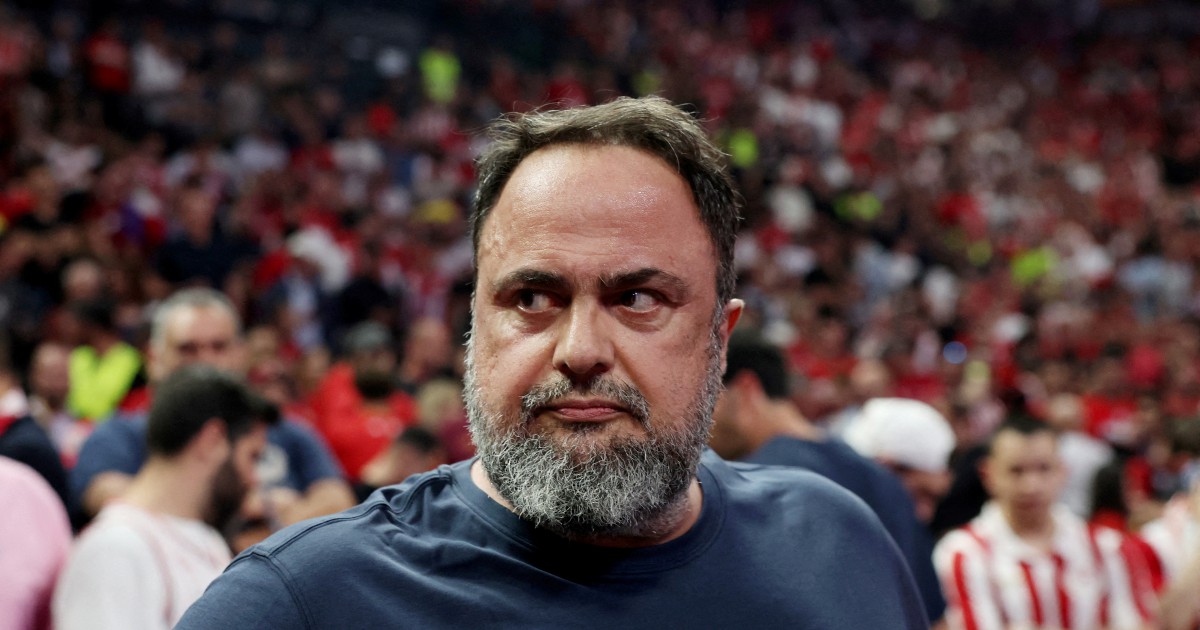
Nottingham Forest proprietor Evangelos Marinakis initiated legal proceedings on Monday by filing a libel claim against Premier League counterparts Crystal Palace in London's High Court, with reports indicating the dispute centred on contentious signage unveiled by Palace fans during a fixture from the previous campaign.
The Greek businessman's decision to pursue formal legal action represents a significant escalation in what appears to be an interpersonal conflict between two prominent figures in English football's top division. Marinakis, who acquired controlling interest in Nottingham Forest in 2017, has established himself as one of the more assertive ownership voices in the Premier League, frequently engaging with media and fellow stakeholders over matters affecting his club.
While the specific wording and content of the offending banner remained largely undisclosed in early reports, such disputes typically involve allegations of defamatory statements against individuals or their business operations. The timing of the lawsuit—occurring several months after the banner's public display—suggests sufficient consideration was given to pursue the matter through formal channels rather than through other dispute resolution mechanisms.
Crystal Palace, based in south London, occupies a competitive position within the Premier League standings and maintains a passionate supporter base known for creative and occasionally provocative display of banners and signage during matches. The incident evidently struck a nerve with Marinakis, who determined that the banner's contents warranted judicial intervention to protect his reputation and interests.
The High Court proceedings represent an unusual but not unprecedented action within professional football, where ownership disputes and conflicts occasionally spill into the legal system. Such cases typically hinge on whether statements made publicly—whether through banners, social media, or journalistic coverage—constitute defamation by meeting established legal thresholds in English common law.
For Malaysian and Southeast Asian football enthusiasts, this development illustrates the increasingly litigious nature of modern football club ownership, particularly within wealthy leagues where significant financial interests are at stake. The Premier League has become an arena where global capital accumulation and personality-driven management styles frequently generate friction, and legal challenges represent one avenue through which disputes are adjudicated.
The lawsuit occurs within a broader context of mounting tensions between club ownership and supporter bases across English football. Fan groups have become increasingly vocal in expressing concerns about club direction, ownership decisions, and conduct both on and off the pitch. Marinakis's response through legal channels suggests a willingness to contest public criticism rather than engage in dialogue, a posture that may have implications for his relationship with Nottingham Forest's own supporter community.
The outcome of the High Court case could carry implications beyond the immediate parties involved. Victory for Marinakis would potentially discourage similar public expressions of criticism from supporter groups, while a defeat could embolden fan activism as a counterweight to ownership authority. The judgment may also influence how other club proprietors approach similar provocations, establishing precedent regarding the legal vulnerability of fan-generated statements.
Notably, the case underscores the significant disparity in resources between individual supporters and wealthy club owners with access to prominent legal representation. While supporters possess the capacity to mobilise collectively and create visible displays, they typically lack the financial resources to mount sustained legal defences against libel claims brought by wealthy individuals or organisations. This asymmetry shapes the dynamics of any such confrontation.
The dispute also reflects deeper tensions within professional football regarding ownership legitimacy and accountability. In recent years, numerous Premier League clubs have been acquired by foreign billionaires and investment groups, generating debate about the appropriate balance between ownership prerogatives and supporter voice. Marinakis's aggressive legal posture may be interpreted by some as an assertion of ownership authority, while others might view it as an intemperate response to legitimate fan expression.
The High Court proceedings will likely attract sustained attention from football commentators, legal observers, and supporter groups across English football, given the potential ramifications for fan activism and ownership-supporter relations. The case exemplifies how contemporary football operates at the intersection of commercial interests, legal frameworks, and grassroots supporter engagement, creating complex dynamics that extend far beyond match day performance.
As the lawsuit progresses through the judicial system, both Nottingham Forest and Crystal Palace will likely maintain formal neutrality, though the underlying tensions may continue to influence their sporting rivalry. The outcome will probably offer insights into how English courts balance freedom of expression against reputational protection in the specific context of football fandom and club ownership.

