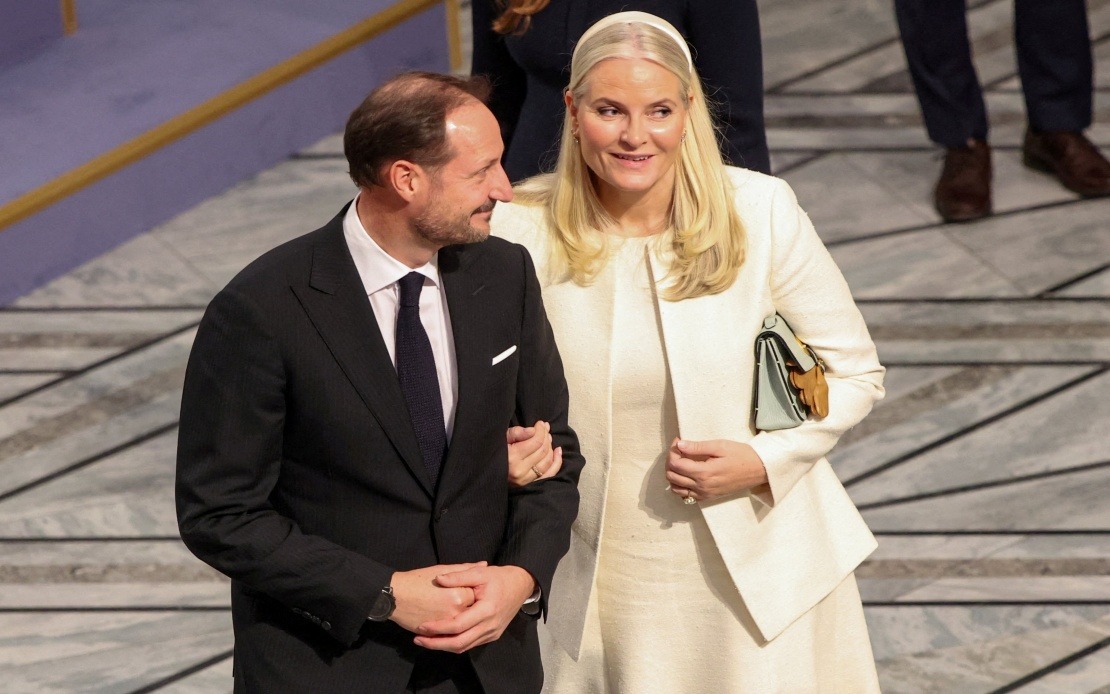
Crown Princess Mette-Marit of Norway has undergone a successful lung transplant operation, according to an announcement made by the royal family on Wednesday through the German Press Agency (dpa). The 52-year-old consort to Crown Prince Haakon has been battling a serious chronic condition that severely restricted her mobility and daily functioning in recent years. The procedure marks a significant medical milestone for the royal household and comes as welcome news to Norwegians who have followed her health struggles with concern.
Mette-Marit suffers from pulmonary fibrosis, a progressive and irreversible lung condition characterized by the gradual scarring and thickening of lung tissue. This pathological process restricts the lungs' ability to absorb oxygen, resulting in diminishing respiratory capacity over time. The condition is incurable through conventional medical treatments, leaving organ transplantation as the only viable long-term therapeutic option for patients whose disease has advanced to critical stages. Those living with pulmonary fibrosis often experience severe breathlessness even during minimal physical exertion, profoundly limiting their quality of life and ability to fulfil public duties.
The impact of her condition became increasingly visible in Mette-Marit's public engagements and official appearances. Prior to the transplant, she had been dependent on supplemental oxygen delivered through portable tanks throughout her daily life, a visual reminder of the seriousness of her medical situation. This oxygen requirement meant she could not engage in normal activities without mechanical support, confining her participation in royal duties and personal pursuits. The decision to pursue transplantation represented a substantial leap of faith, involving the risks inherent in major surgery and the lifelong commitment to immunosuppressive medications required after organ transplantation.
The Royal Palace in Oslo officially announced on June 5 that Mette-Marit had been added to the national organ transplant waiting list. The pathway to transplantation is highly selective—patients are typically eligible for lung transplant listing only if their clinical prognosis suggests a survival expectancy of approximately one year without the intervention. This stringent criterion ensures that the limited supply of donor organs is allocated to those facing imminent mortality, making the decision to list Mette-Marit a critical acknowledgment of her deteriorating health status at that time.
The public disclosure of the Crown Princess's medical situation and her placement on the transplant waiting list generated unexpected and substantial consequences for Norway's organ donation infrastructure. According to Norwegian news agency NTB, which reported data from the country's Organ Donation Foundation, the number of individuals registering as potential organ donors surged dramatically following the royal announcement. This phenomenon underscores how public figures and media attention can mobilize civic participation in vital healthcare initiatives. The spike in registrations demonstrates that visibility around organ transplantation, particularly when affecting prominent individuals, can transform abstract medical concepts into emotionally resonant issues that motivate altruistic action among the general population.
Norway maintains a relatively robust organ donation and transplantation system compared to many comparable nations, supported by strong public health infrastructure and cultural values emphasizing collective welfare. The surge in donor registrations following Mette-Marit's announcement suggests that despite existing frameworks, public engagement and awareness remain responsive to contemporary, concrete examples of transplantation's life-saving potential. For Malaysia and other Southeast Asian nations, where organ donation rates often lag behind clinical need, the Norwegian experience offers instructive lessons about the power of high-profile cases in shifting public perception and behavior toward donation.
The successful completion of the transplant operation represents not only a personal triumph for Mette-Marit and her family but also validates the complex medical systems, surgical teams, and institutional coordination required for such procedures. Lung transplantation ranks among the most technically demanding organ transplant operations, requiring specialized surgical expertise, post-operative intensive care, and meticulous long-term immunological management. The operation's success depends on numerous factors including organ quality, surgical technique, recipient conditioning, and the expertise of multidisciplinary medical teams. That Mette-Marit's procedure proceeded successfully and reached public announcement within days of her listing testifies to either fortunate organ availability or expedited clinical processes—circumstances that vary markedly between healthcare systems globally.
Looking ahead, Mette-Marit will face the ongoing challenge of managing her transplanted lung while maintaining strict adherence to immunosuppressive regimens required to prevent organ rejection. These medications, while essential for graft survival, carry their own health risks and require careful monitoring through regular laboratory testing and clinical assessment. Her capacity to return to active public roles will depend on her post-operative recovery trajectory and how well she tolerates the transplanted organ. The coming months will reveal whether the transplant provides her with the functional improvements necessary to resume fuller participation in royal duties and personal activities.