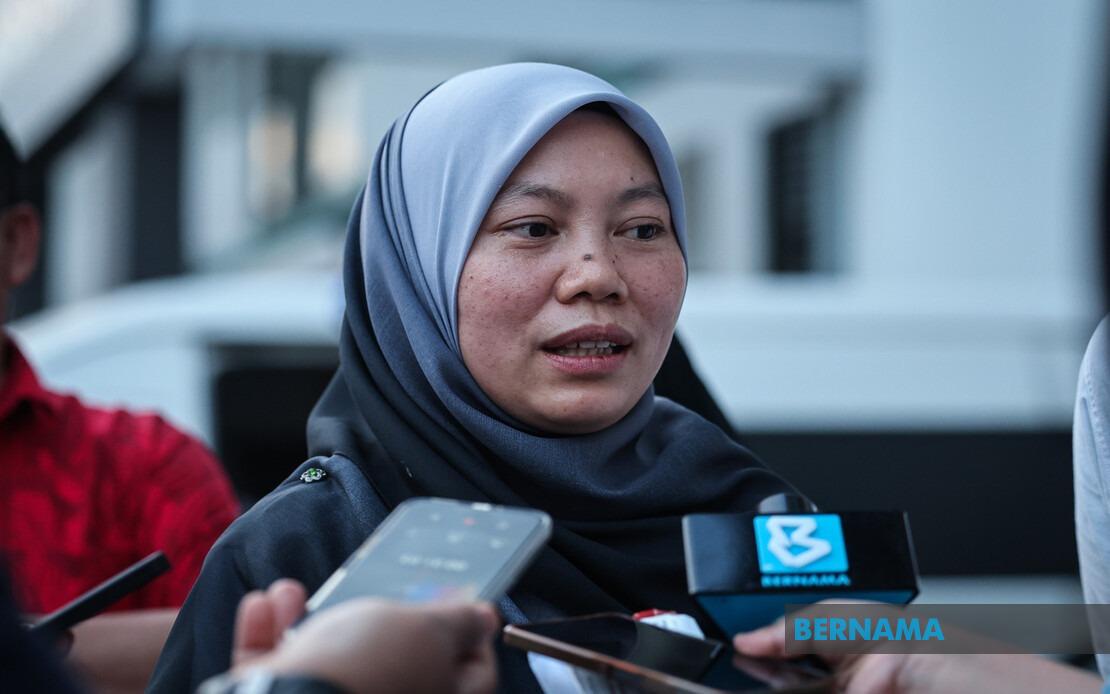
With polling day approaching on July 11, Pakatan Harapan candidate for Tiram state seat Nor Zulaila Abd Ghani is projecting optimism about her electoral prospects, having spent weeks traversing her constituency in Johor to connect with voters. Speaking in Pasir Gudang following a campaign event with Entrepreneur Development and Cooperatives Minister Steven Sim Chee Keong, she indicated that the reception she has encountered at the grassroots level represents a genuine groundswell of support for the coalition.
Nor Zulaila's assessment of campaign momentum centres on a marked contrast between digital hostility and on-ground receptiveness. While she acknowledged that critical commentary has materialised on social media platforms including Facebook, she stressed that such negativity has not translated into confrontational encounters during her constituency visits. This distinction matters significantly, as it suggests that despite polarisation in online spaces, traditional door-to-door politics remains more collegial. The candidate frames this as evidence that voters she meets directly are willing to engage substantively with her message, regardless of partisan divisions.
Central to her campaign strategy has been an unconventional approach targeting Johor's youth demographic through participation in recreational and sports activities rather than formal political forums. Nor Zulaila has deliberately positioned herself within sepak takraw tournaments, futsal matches, and snooker competitions—spaces where young constituents gather for leisure rather than political discourse. This methodology reflects a sophisticated understanding of voter alienation among younger Malaysians, many of whom express scepticism towards conventional politics and view electoral participation as disconnected from their daily concerns.
Her philosophy in these informal settings emphasises civic responsibility and the tangible consequences of electoral choices. By engaging youth in relaxed environments where political messaging is secondary to shared activity, she attempts to reinforce that voting decisions directly shape governmental policies affecting everything from employment opportunities to urban development. This bottom-up approach contrasts with top-down campaign messaging and may resonate particularly with younger voters who feel ignored by traditional political outreach.
The campaign has not proceeded without incident. Nor Zulaila expressed frustration regarding recent vandalism targeting her campaign billboards, viewing such acts as counterproductive to the electoral process. Her public disappointment reflects broader concerns within Malaysian electoral culture about the civility of campaign conduct. By vocally criticising the vandalism, she signals to voters that she expects the contest to remain respectful and that destructive partisan behaviour undermines democratic norms. This positioning potentially appeals to voters fatigued by electoral incivility.
Looking toward the final campaigning phase before July 11, Nor Zulaila has called for all contesting parties to maintain standards of maturity and harmony throughout the remainder of the campaign period. Such appeals, while conventional in Malaysian electoral discourse, serve a strategic purpose—they allow candidates to occupy the moral high ground whilst indirectly criticising opponents who may resort to rougher tactics. Her emphasis on healthy competition establishes a framework within which voter judgement becomes about substantive offerings rather than partisan mudslinging.
The Johor state election represents a significant contest for Pakatan Harapan as it seeks to consolidate support in a state where the coalition has historically faced challenges. The Tiram seat itself carries particular importance, and Nor Zulaila's reported confidence, if borne out by internal polling, would suggest meaningful inroads into voter sentiment. Her ground-level feedback aligns with broader campaign narratives from the coalition, though the ultimate test remains ballots cast rather than anecdotal encounters during stumping.
Early voting has been scheduled for July 7, allowing working voters and others with scheduling constraints to participate before the main polling day. This staggered voting arrangement provides election administrators with logistical flexibility whilst potentially revealing electoral trends early, though early ballots are typically sealed until final results are processed. For candidates like Nor Zulaila, the early voting period represents an opportunity to mobilise supporters who might otherwise face obstacles to voting on the main date.
The strategic differentiation Nor Zulaila emphasises—between positive ground response and limited digital negativity—hints at a broader phenomenon in Malaysian electoral politics where younger voters demonstrate less intensity in partisan online activity whilst remaining available for mobilisation through direct engagement. Her sports-and-recreation-based outreach may unlock engagement from voters who would otherwise ignore traditional campaign messaging. Whether this translates into electoral victory for her candidacy will become apparent when Johor voters cast ballots on July 11.

