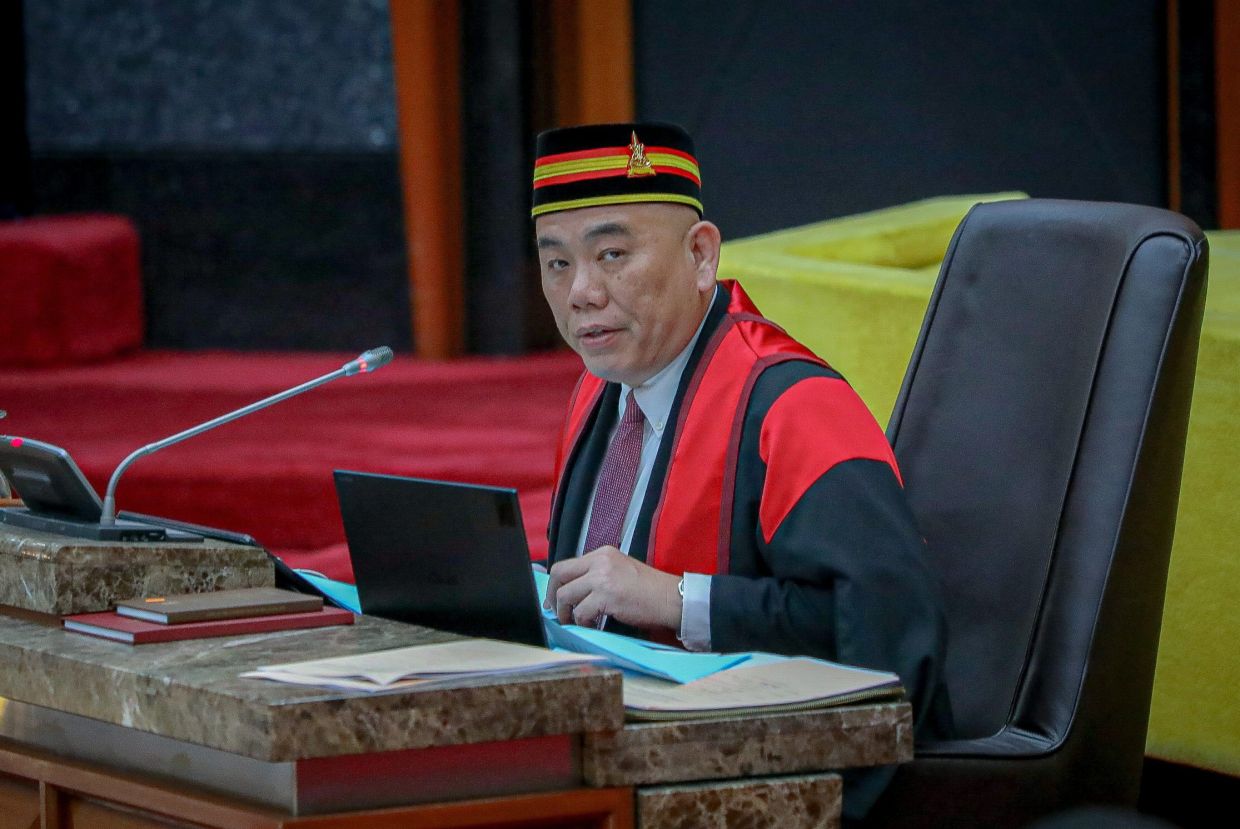
The prospect of a state by-election in Selangor has been definitively closed after Speaker Lau Weng San announced that a comprehensive review completed on August 10 found no assemblymen facing potential loss of their seats. The assurance comes at a critical time for the state legislature, dispelling weeks of uncertainty that had gripped political circles following earlier reports of possible vacancies. During a press conference held on the sidelines of the state assembly sitting on Thursday, Lau emphasised that the examination was exhaustive in scope, covering representatives across all parties and examining every relevant aspect of the matter.
The speculation that triggered this formal review centred on a bankruptcy order issued against one state assemblyman earlier in August. Such orders would typically compel a legislator to vacate their seat under constitutional provisions governing qualification for elected office. However, the situation took an unexpected turn when the High Court subsequently set aside the bankruptcy order entirely, eliminating any legal grounds for the assemblyman to relinquish his position. This judicial intervention effectively mooted the by-election question, though the Speaker's formal confirmation provides additional institutional weight to the reassurance.
Beyond settling the immediate concern about seat vacancies, Lau used the occasion to address a secondary issue that has drawn attention within the legislature: the consistency of attendance among state representatives. Rather than taking punitive action, the Speaker announced plans to publish a list of frequently absent assemblymen on social media platforms, a transparency measure aimed at holding members accountable to their constituents. This approach reflects a shift towards public accountability rather than administrative penalties, allowing voters themselves to judge whether their representatives are adequately fulfilling their legislative duties.
The Speaker provided clarity on the circumstances under which absences occur and the procedures governing them. He noted that assemblymen who require leave must submit written requests to the secretariat, citing the example of the Bandar Baru Klang representative who had requested absence following surgical treatment and medical advice to rest for a week. This distinction between authorised absences and unexcused non-attendance underscores the legislature's attempt to balance flexibility with accountability. In practice, the assembly typically records between three and five absentees at each sitting, a figure that Lau suggested was broadly manageable but worthy of monitoring.
Lau emphasised that while there is no legal requirement for assemblymen to formally notify the secretariat of their absence, choosing not to attend carries significant opportunity costs. Members who remain absent forfeit the chance to pose questions to the executive, receive responses from government representatives, table proposals, and benefit from the important policy updates communicated during ministerial winding-up speeches. This loss of opportunity represents a substantive diminishment of the member's legislative effectiveness and constituent service capacity, particularly in a state assembly that convenes only approximately three times annually, with each session typically lasting two weeks or less.
To encourage greater prioritisation of attendance, Lau urged assemblymen to schedule their constituency activities, meetings, and other commitments in a manner that does not conflict with scheduled assembly sittings. The relatively infrequent meeting schedule, coupled with the compressed timeframe of each session, makes coordinating other engagements reasonably manageable. The Speaker acknowledged that exceptional circumstances occasionally justify absence—he cited deaths requiring immediate burial as an understandable exception—but suggested that most scheduling conflicts could be avoided through better advance planning. He also clarified that members who arrive late are still counted as present provided they participate in at least part of the proceedings, preventing minor delays from being recorded as total absence.
An additional point that emerged from Lau's remarks concerns the executive's role in managing legislative time. State executive councillors retain the discretionary authority to forgo responding to questions raised by absent assemblymen during winding-up sessions, a practice that can help preserve time for questions from members who have attended. This procedural flexibility provides a subtle incentive for attendance while avoiding any explicit punishment mechanism. It also reflects a practical recognition that responding to every question, regardless of the questioner's presence, can extend proceedings unnecessarily.
The Speaker also confirmed the financial arrangements supporting assembly participation. Members receive an attendance allowance of RM200 for morning sessions and RM150 for afternoon sessions—a modest but tangible acknowledgment of the time commitment involved. These allowances, while not substantial, represent a form of compensation beyond base salaries and underscore the expectation that assemblymen should prioritise their legislative responsibilities. The allowance structure, tiered by session timing, also provides flexibility for part-day attendance.
For Malaysian constituencies, particularly those in Selangor, these developments offer reassurance about the stability of their legislative representation. The absence of any imminent by-elections means that the current composition of the state assembly will remain intact, allowing government programmes and legislative business to proceed without the disruption of campaign periods. The transparency measure regarding attendance, meanwhile, provides voters with information to evaluate their representatives' commitment, empowering constituents to hold members accountable at the ballot box. As Malaysia navigates ongoing questions about legislative standards and representative accountability, Selangor's approach to monitoring attendance through public disclosure rather than institutional punishment offers an interesting model for balancing openness with practical governance.

