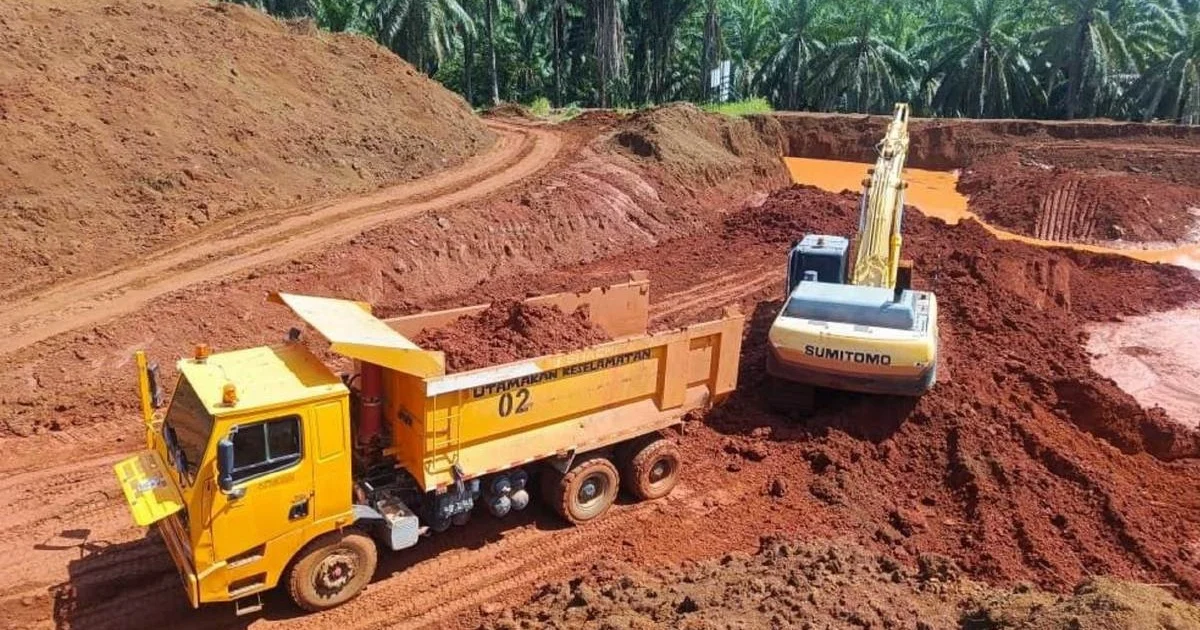
Nine people have been detained following a comprehensive law enforcement operation targeting an unlicensed bauxite extraction ring operating within a Felda plantation in Bukit Goh, near Kuantan in Pahang. The raid culminated in the seizure of approximately 10,000 tonnes of bauxite-bearing soil alongside heavy mining machinery and commercial vehicles, with the total value of recovered assets and contraband material reaching RM3.75 million—underscoring the substantial scale of the illicit operation.
The enforcement action represents a significant crackdown on illegal mining activities that have plagued the region, particularly those targeting mineral-rich federal agricultural land. Bauxite, the primary ore from which aluminium is extracted, remains a valuable commodity in Malaysia's mining sector, making it an attractive target for organised criminal networks seeking quick profits through unauthorised extraction. The concentration of this illegal activity on Felda land is particularly concerning given the agricultural development mandate of such holdings and the potential environmental and legal violations involved.
The seizure of equipment—including heavy machinery and lorries essential to mining operations—suggests a sophisticated, well-funded criminal enterprise rather than ad-hoc prospecting. Such infrastructure represents significant capital investment and indicates the operation likely had established distribution channels and buyer networks. The sheer volume of material recovered, totalling 10,000 tonnes, points to ongoing extraction activity spanning weeks or months rather than isolated incidents, raising questions about how the operation evaded detection for an extended period.
Unlicensed mining in Malaysia carries serious legal consequences under mining regulations and environmental protection statutes. Operators engaging in such activities without proper licensing from the relevant mining authority breach multiple statutory obligations, including environmental impact assessments, land use permissions, and mineral royalty payments owed to the state. The individuals arrested face potential prosecution under relevant mining legislation, with penalties ranging from substantial fines to custodial sentences depending on the severity of charges and individual culpability.
The environmental implications of illegal bauxite mining extend beyond the immediate extraction site. Large-scale removal of bauxite-bearing soil disrupts topsoil composition, drainage patterns, and vegetation recovery prospects. On Felda land designated for agricultural purposes, such disturbance undermines long-term land productivity and creates safety hazards through unstable excavations. Additionally, the absence of proper environmental controls during illegal extraction means no restoration bonding or rehabilitation requirements are satisfied, leaving degraded land that requires costly remediation.
This operation reflects broader challenges facing Malaysian enforcement agencies in combating organised illegal mining. Criminal syndicates often deploy mobile operations, corrupt officials, and intimidation tactics to sustain extraction activities. The scale of this particular raid indicates coordinated inter-agency action, potentially involving mining authorities, environmental compliance officers, and law enforcement personnel. Successful operations depend upon intelligence gathering, surveillance, and decisive action to prevent suspects from destroying evidence or relocating operations.
The recovery of RM3.75 million in assets and materials also highlights the economic incentive driving such criminal activity. Bauxite buyers—whether domestic aluminium processors or export-oriented traders—create demand that fuels illegal supply chains. Without addressing end-market compliance and buyer accountability, enforcement actions alone may prove insufficient to deter future operations. Enhanced due diligence requirements for bauxite purchasers, coupled with stricter tracking of mineral origins, could complement enforcement efforts.
For Felda and other federal agricultural authorities, this incident underscores vulnerability of plantation holdings to mineral theft and the necessity for enhanced security protocols. Felda estates, whilst managed for agricultural productivity, often occupy land with underlying mineral deposits. Managing these dual pressures requires robust perimeter security, surveillance systems, and rapid incident reporting mechanisms to prevent sustained illegal extraction operations from establishing themselves on federally-administered land.
The case also carries implications for Malaysia's international standing regarding mining regulation and environmental stewardship. As the nation balances mineral resource exploitation with environmental protection and sustainable development goals, combating illegal mining operations signals commitment to regulatory compliance. This is particularly relevant given international scrutiny of Southeast Asian mining practices and growing corporate and governmental focus on responsible sourcing.
Moving forward, authorities will investigate the supply chain and distribution networks supporting this operation to identify buyers and middlemen who facilitated the illegal trade. Such downstream investigations are crucial for dismantling the entire criminal ecosystem rather than merely addressing the extraction point. Understanding market channels and profit flows will inform future prevention strategies and buyer accountability frameworks.

