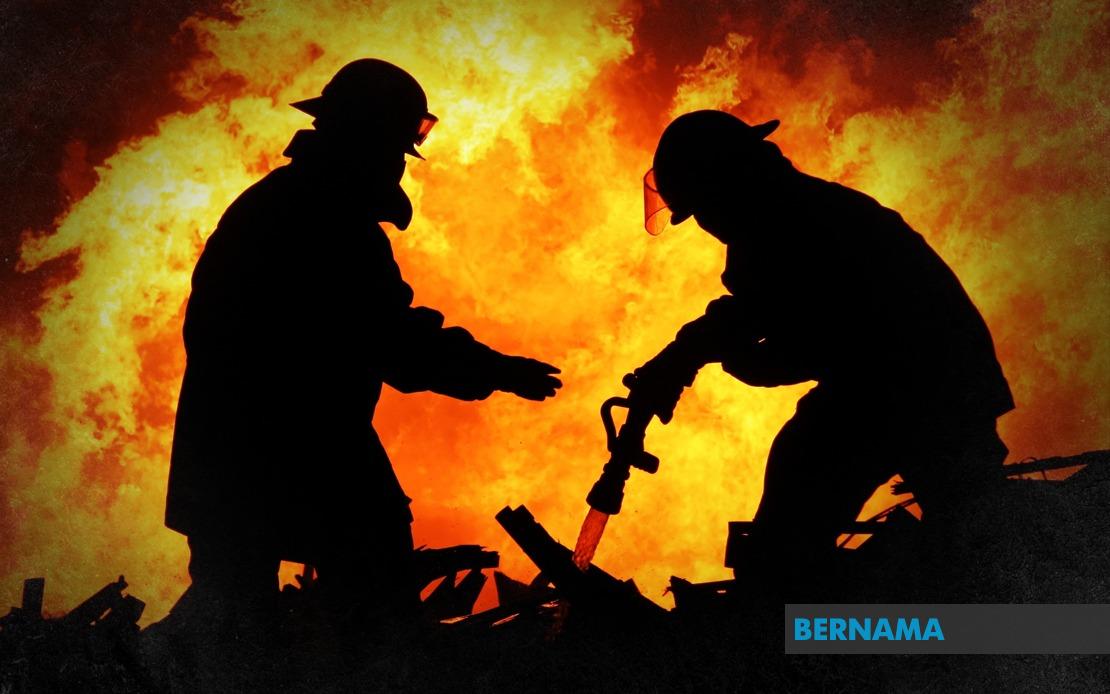
A devastating explosion at Talent Fireworks, an unlicensed firecracker manufacturing facility in Ahmedabad's Vastral area of Gujarat state, claimed nine lives on Saturday. The incident also left six workers injured, underscoring persistent dangers within India's informal pyrotechnics sector where regulatory oversight remains inadequate despite repeated tragedies.
Local authorities arrested the factory owner following investigation into the blast, which exposed the operational reality of many such enterprises across India. The facility had been functioning without the requisite governmental permits, a violation that authorities are now examining more closely. Investigators are probing whether inadequate safety protocols or handling procedures contributed to the catastrophe, though the precise cause of the explosion remains under examination by state officials.
Prime Minister Narendra Modi issued condolences to the bereaved families and announced immediate financial assistance from the Prime Minister's National Relief Fund. Each family of the deceased will receive 200,000 rupees, equivalent to approximately RM8,490 in Malaysian currency. This relief measure represents the federal government's standard response to such industrial disasters, though critics often note that monetary compensation alone cannot address the systemic failures that permit dangerous facilities to operate.
Gujarati Chief Minister Bhupendra Patel supplemented the federal assistance by announcing that the state government would provide an additional 400,000 rupees, roughly RM16,980, to each bereaved family. This combined relief package totals 600,000 rupees per family, though such amounts typically fall short of addressing long-term financial hardship when breadwinners are lost in industrial accidents.
The Ahmedabad incident exemplifies a broader pattern that has made firecracker manufacturing particularly hazardous across India. Unlike regulated industrial sectors, the pyrotechnics industry frequently operates in the informal economy, with workshops established in residential areas or premises never designed for explosive manufacturing. Workers often lack formal training in handling volatile materials, protective equipment standards remain unenforced, and emergency response procedures are virtually non-existent in most facilities.
For Malaysian readers, the Ahmedabad tragedy offers sobering reminders about the importance of stringent workplace safety enforcement and licensing requirements. Malaysia's regulatory framework for fireworks manufacturing and handling is substantially more rigorous than practices in much of South Asia, yet incidents occasionally occur when operators circumvent safety protocols or operate unauthorised facilities. The Gujarat case demonstrates how quickly negligence can transform a manufacturing space into a death trap.
Firecracker-related disasters recur with troubling frequency throughout India, particularly during festival seasons when demand surges and clandestine operations expand. Many accidents involve workers—frequently from economically vulnerable backgrounds with limited employment alternatives—who accept dangerous conditions because formal sector employment remains inaccessible. This creates a vicious cycle where poverty drives people into hazardous informal work, and inadequate enforcement allows employers to prioritise production over safety.
The Vastral area of Ahmedabad has witnessed similar incidents in previous years, suggesting that local authorities struggle to maintain consistent monitoring of manufacturing operations. Factory inspections are often sporadic, and penalties for violations rarely deter operators who view them as minor business costs. Workers themselves often remain unaware of their rights or lack mechanisms to report dangerous conditions without risking their livelihoods.
Regional implications extend beyond India's borders, as cross-border trade in fireworks components and finished products occurs throughout South Asia. Defective or improperly manufactured fireworks sometimes reach other markets, creating consumer safety risks far from their production sites. The incident also reflects broader questions about corporate accountability and worker protections in emerging economies where rapid industrialisation sometimes outpaces regulatory development.
Investigations will likely focus on whether the factory maintained any safety documentation, whether workers received hazard training, and whether neighbouring residents had complained about the operation. Such inquiries typically reveal that operators were aware of regulations but chose non-compliance, calculating that the probability of detection was low relative to the cost savings of avoiding safety measures. Insurance coverage for such facilities remains minimal, placing full financial burden on government relief mechanisms.
The tragedy underscores the human cost of unregulated manufacturing in India and South Asia more broadly. Behind each casualty statistic stands a worker whose economic circumstances offered no better alternative than accepting employment in a dangerous facility. For Malaysia and its neighbours, the lesson is clear: regulatory frameworks must be adequately resourced, consistently enforced, and supported by genuine worker protections that prevent people from trading their safety for survival.

