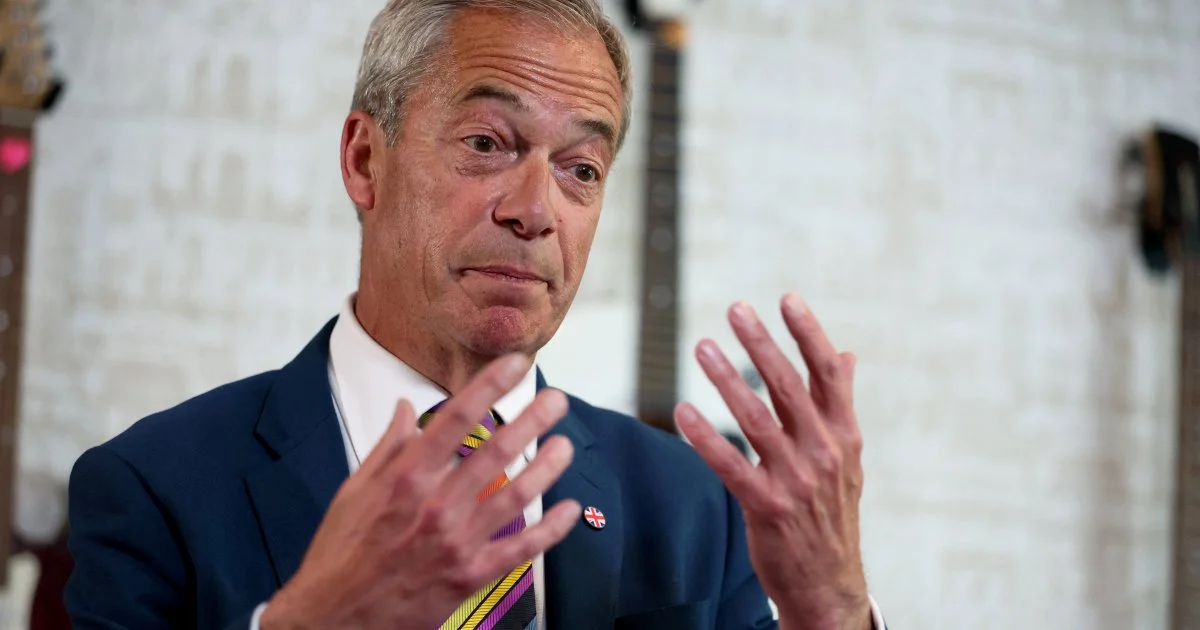
Nigel Farage, the prominent hard-right British politician who leads Reform UK, is once again embroiled in controversy after fresh allegations emerged regarding gifts he failed to disclose publicly. A newspaper investigation revealed that a man with a conviction for fraud provided financial support to cover Farage's security expenses and staff salaries during a period before he gained election to Parliament, raising questions about his adherence to transparency rules governing political figures in Britain.
The allegations represent another chapter in Farage's contentious history with financial disclosure and accountability. Throughout his political career, spanning multiple decades, the politician has attracted persistent controversy surrounding the sources of his political funding and the extent to which he has properly reported financial arrangements. Such scrutiny is particularly acute in the British political system, where members of Parliament are required to register all gifts, loans, and financial benefits within strict timeframes established by parliamentary rules.
Farage's prominence in British politics stems from his role as founder and former leader of the UK Independence Party, which championed Britain's withdrawal from the European Union. He subsequently established the Brexit Party, which succeeded in pushing the Brexit agenda to completion, before founding Reform UK. His political influence has extended far beyond electoral success, as he has shaped conservative discourse across the Atlantic and beyond. Nevertheless, his career has been consistently marked by controversies involving financial arrangements, party funding, and questions about whether he meets the standards expected of major political figures.
The latest revelations place particular pressure on Farage at a time when Reform UK is attempting to position itself as a credible alternative to the governing Conservative Party. Public trust in British politicians has been eroded in recent years through various scandals involving misuse of public funds, secret donations, and financial impropriety. In this context, questions about Farage's own financial transparency could prove damaging to his efforts to expand Reform UK's appeal beyond its current base of support.
The involvement of a convicted fraudster in funding Farage's political operations raises complex questions about the vetting processes and ethical standards that major political candidates should maintain. Accepting financial support from individuals with criminal records, particularly those convicted of fraud, creates an appearance of impropriety regardless of the legality of individual transactions. This is especially problematic when such support was not disclosed to the public and parliamentary authorities charged with monitoring politicians' financial interests.
For Malaysian observers, the Farage case offers instructive parallels to broader challenges facing electoral systems across the Commonwealth and beyond. Malaysia's own political landscape has witnessed considerable attention to party financing and the sources of campaign funds, particularly following the 1Malaysia Development Berhad scandal and subsequent reform efforts. The principle that politicians should maintain transparency regarding financial support, and that voters should understand who is backing their leaders, remains relevant across diverse democratic systems.
The timing of these allegations is significant as Britain approaches crucial political decisions. Farage's potential influence on British politics remains substantial regardless of Reform UK's parliamentary representation, given his ability to shape media discourse and mobilise voters around particular issues. If questions about his financial propriety undermine his credibility, this could affect the broader trajectory of hard-right politics in Britain and influence conservative movements across the English-speaking world.
Parliamentary authorities and regulatory bodies overseeing financial disclosure will likely be pressed to respond to these allegations with clarity about whether any rules were violated and what enforcement mechanisms apply. The existence of ambiguities or loopholes in disclosure requirements could invite further scrutiny not only of Farage's conduct but of wider practices among other politicians who may have similarly failed to report financial arrangements.
The broader implications extend to questions about whether wealthy donors, regardless of their backgrounds, should be permitted to provide undisclosed support to political figures and campaigns. Farage's defenders may argue that such contributions reflect a form of political participation and free speech, while critics contend that public trust in democratic institutions depends on complete transparency about who is financing political movements. This tension between openness to political support and the need for public accountability remains unresolved in Britain's political system.
As these allegations develop, they will likely influence public perception of Farage and Reform UK's credibility. British voters increasingly demand higher standards of transparency from their political leaders, making financial propriety a significant factor in electoral calculations. For a politician seeking to position himself as an outsider challenging establishment politics, questions about whether he meets basic standards of accountability could prove particularly damaging.
The investigation also reflects the vital role that investigative journalism continues to play in holding political figures accountable. Without media scrutiny, such arrangements might remain hidden from public view indefinitely, preventing voters from making fully informed decisions about the leaders and movements they support. In this respect, the allegations emerging through press investigation demonstrate the ongoing importance of a vigilant fourth estate in functioning democracies.

