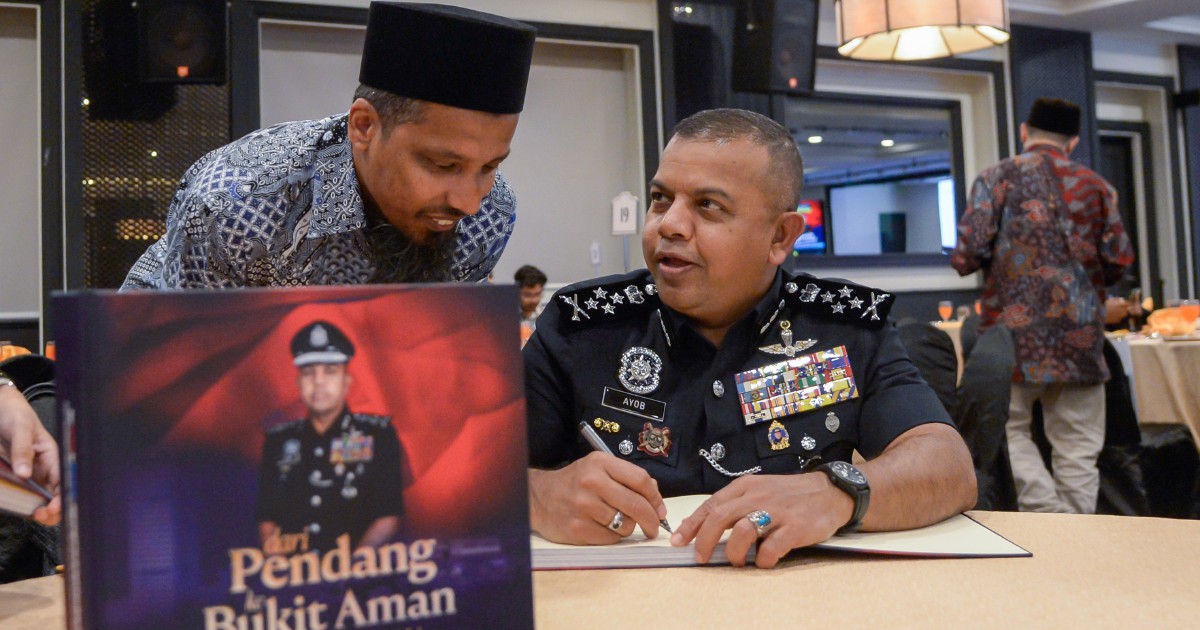
Tan Sri Ayob Khan Mydin Pitchay, who served as deputy Inspector-General of Police, has described the investigation into the Nicky Liow gang as among the most consequential cases in Bukit Aman's operational history. The probe left a lasting imprint on the former senior officer's career, underscoring the investigation's scale and complexity within Malaysia's law enforcement landscape.
The "Gang Nicky" case represented a turning point in how Malaysian police approached organised crime networks operating within the country. The investigation's scope extended beyond typical criminal operations, touching on coordination between multiple agencies and the need for enhanced surveillance protocols. For Bukit Aman, the headquarters of the Royal Malaysia Police in Kuala Lumpur, the case demanded resources and strategic planning that tested institutional capacity and investigative methodology.
The prominence of this case in Ayob Khan's recollection suggests that it established precedents in how authorities tracked and dismantled criminal syndicates. The investigation likely involved painstaking groundwork, intelligence gathering, and coordination across different police departments. Such major operations typically reshape institutional practices and inform how subsequent investigations are conducted, establishing templates for both tactical execution and evidence compilation that influence police work for years afterward.
For Malaysian readers, understanding the significance of this case provides insight into how the police force has evolved its approach to serious crime. Major investigations serve as institutional learning experiences, where lessons about suspect tracking, financial crime detection, and inter-agency cooperation become embedded in operational doctrine. The Nicky Liow investigation would have contributed to developing these capabilities during a critical period in Malaysia's law enforcement history.
Bukit Aman's handling of high-profile gang cases carries particular weight given Malaysia's status as a regional hub vulnerable to transnational organised crime. The investigation's impact extended beyond the immediate arrests and convictions, influencing how police formulate strategies against similar criminal networks. Gang-related activities often involve drug trafficking, extortion, and violence that destabilise communities, making the effective investigation of such networks crucial to public safety.
Ayob Khan's characterisation of the case reflects broader patterns in how senior law enforcement officials view their most challenging assignments. Cases that demand sustained effort, innovative investigative techniques, and institutional coordination tend to define careers and shape an officer's understanding of what effective policing requires. The former deputy IGP's willingness to highlight this particular investigation suggests it exemplified police work at its most demanding and consequential.
The case also illuminates the evolution of criminal investigation practices in Southeast Asia during the period when it occurred. Police agencies across the region have progressively developed more sophisticated approaches to tracking organised crime, informed partly by high-profile cases that expose gaps in existing methods. The Nicky Liow investigation would have contributed to regional understanding of how networks operate and how law enforcement can effectively disrupt them.
Context matters significantly here: gang violence and organised crime have remained persistent challenges for Malaysia's law and order authorities. Cases like the Nicky Liow investigation provide valuable opportunities for police to refine tactics, improve inter-departmental cooperation, and develop expertise in particular areas of criminal investigation. When senior officials reflect on such cases years later, they are essentially validating the importance of sustained, professional investigative work.
The investigation's legacy likely extends into training and institutional culture within the police force. Officers who participated in or learned from the case carry forward lessons about suspect identification, evidence gathering, and prosecution strategy. These accumulated insights shape how subsequent investigations are approached, creating institutional memory that improves police effectiveness over time.
For Malaysian society, cases of this magnitude represent the machinery of law enforcement working to protect public security. While gang violence often receives attention primarily when incidents occur, the investigative work that dismantles these networks happens largely beyond public view. Ayob Khan's reflections bring that work into focus, reminding citizens of the sustained effort required to maintain order against organised criminal elements.
The case remains relevant to contemporary Malaysian policing challenges. Organised crime continues to evolve, adopting new tactics and exploiting technological changes. The methodologies developed during the Nicky Liow investigation provide a foundation, though police must continuously adapt approaches to address current threats. Understanding how past cases shaped current practices offers insight into the ongoing struggle against serious crime in Malaysia.
Ayob Khan's assessment underscores that major investigations serve functions beyond simply removing criminals from society. They test institutional capacity, generate operational insights, and refine police strategy. The Nicky Liow case exemplified these broader dimensions of law enforcement work, earning its place among Bukit Aman's most significant operations.

