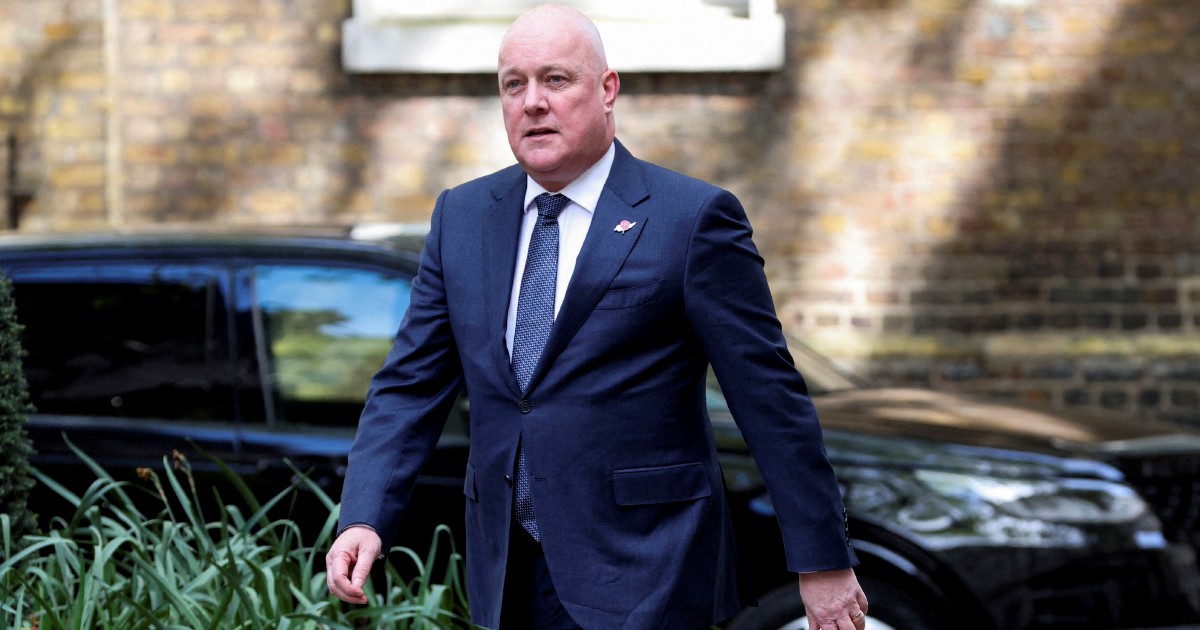
New Zealand Prime Minister Christopher Luxon has emerged from a leadership test within his ruling National Party with his position intact, declaring he retains the "full support" of parliamentary colleagues as the nation approaches a general election within the next three months. The challenge, which materialized at a critical juncture in the electoral cycle, threatened to destabilize the government and create internal discord at a time when political unity is typically paramount.
The timing of the leadership challenge underscores the volatility that can grip governing coalitions in the run-up to elections. In New Zealand's parliamentary system, where party cohesion directly influences electoral prospects, such internal contests carry significant weight beyond the immediate question of who leads the party room. Luxon's successful navigation of this hurdle suggests his position commands sufficient parliamentary backing to weather the storm, though the mere fact that a challenge was mounted speaks to underlying tensions within National ranks that warrant scrutiny.
Leadership challenges in parliamentary democracies function as pressure valves through which backbench discontent becomes visible. The decision by unnamed party figures to force a vote on Luxon's tenure indicates grievances simmering beneath the surface—whether rooted in policy disagreements, frustration over polling performance, or broader concerns about electoral viability. Such challenges rarely emerge without calculated risk assessment by those orchestrating them.
For Malaysian observers, New Zealand's political dynamics offer instructive parallels and contrasts. While Malaysia operates under a Westminster framework similar to New Zealand's, the mechanisms for removing party leaders differ substantially, and the intensity of public scrutiny surrounding leadership contests varies. New Zealand's relatively transparent internal party processes stand in contrast to more opaque coalition management seen elsewhere in the Commonwealth and Southeast Asia, where leadership transitions are often managed through quieter backroom negotiations rather than public ballots.
Luxon assumed the Prime Minister's role following his National Party's victory in the previous election, where he constructed a coalition government. The National Party has historically occupied the centre-right pole of New Zealand politics, and maintaining internal discipline within such groupings presents ongoing challenges, particularly when electoral cycles create uncertainty about future prospects. The challenge to Luxon suggests that some within his caucus harbour concerns about the coalition's trajectory or his personal leadership approach.
The proximity of a general election amplifies the stakes of any internal party contest. In most Westminster systems, the party in government cannot afford the luxury of prolonged internal division without inviting electoral punishment. Voters generally interpret public party conflict as evidence of disarray and poor governance, making leadership challenges particularly damaging when mounted too close to polling day. Luxon's swift resolution of this matter, demonstrated by his retention of party backing, therefore represents a tactical victory in limiting damage to National's electoral prospects.
Context matters significantly in understanding why such a challenge emerged now rather than earlier in the parliamentary term. It may reflect deteriorating polling numbers that have emboldened the challenger or challengers, frustration with coalition partner demands, or policy disputes that have reached a breaking point within National's parliamentary contingent. New Zealand's political landscape has become increasingly fractious in recent years, with smaller parties wielding disproportionate influence and public opinion proving volatile across successive election cycles.
Luxon's public statement about retaining "full support" represents the standard rhetorical response expected of leaders who survive such challenges. The assertion serves multiple purposes: reassuring party members that unity has been restored, signalling to the electorate that the party remains focused on governance rather than internal drama, and projecting confidence to coalition partners that leadership remains stable. However, leadership challenges often leave residual damage that manifests later as continued grumbling or diminished enthusiasm among those who backed the challenger.
For regional political observers, this episode illustrates how Westminster-derived systems continue to grapple with the tension between parliamentary sovereignty and party management. The system grants considerable power to parliamentary parties to reshape their leadership, yet exercising that power carries reputational costs. Leaders who survive challenges must simultaneously assert victory and extend reconciliation, a delicate balance that affects their authority going forward. In Luxon's case, demonstrating that his party ultimately backed him decisively could strengthen his hand when negotiating with coalition partners or demanding caucus discipline on contentious votes.
The significance of this challenge extends beyond New Zealand's borders. The Pacific region observes closely how advanced democracies manage internal political crises, particularly as political polarization and populist movements reshape governance globally. That Luxon retained support through a formal process rather than through undisclosed arrangements demonstrates the functioning of democratic institutions, even when those institutions generate internal turbulence that observers might prefer to avoid.
As New Zealand moves toward its electoral contest, Luxon must now focus on consolidating his fractionally-wounded position and rallying National's supporters around a coherent campaign platform. The challenge, while survived, provides his opponents with evidence that discontent exists within coalition ranks—a fact that opposition parties will certainly exploit in campaign messaging. Whether the National Party emerges from this episode strengthened, damaged, or merely bruised will become apparent only when voters render their verdict in the election that lies ahead.

