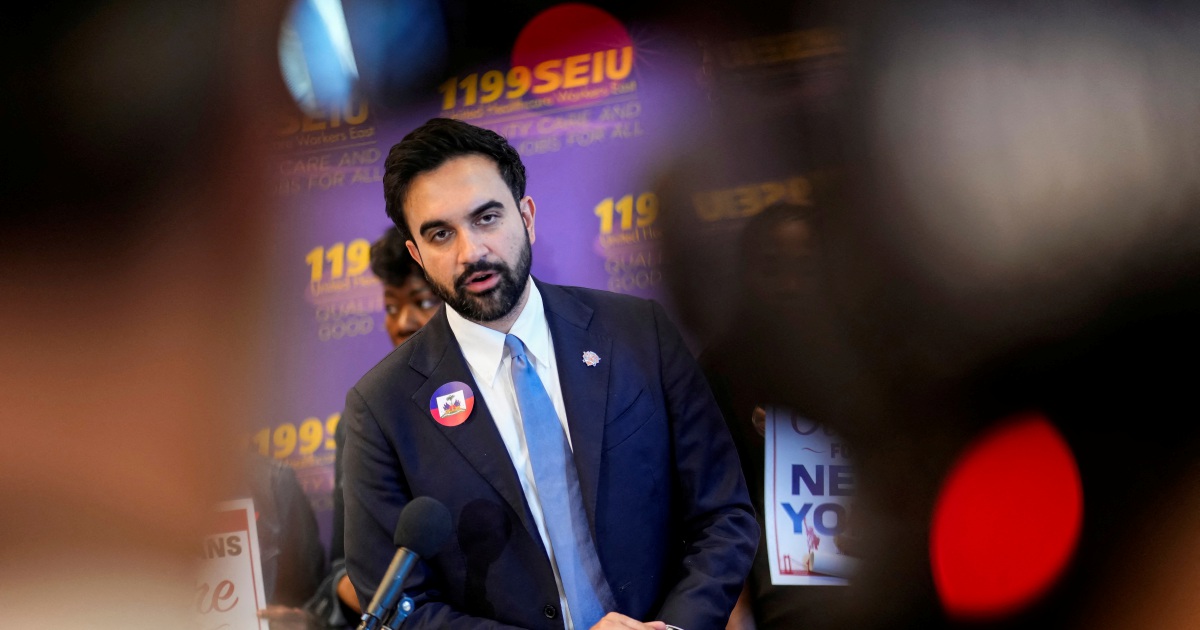
New York Mayor Zohran Mamdani has signalled that city authorities are actively deliberating the possibility of moving to arrest Israeli Prime Minister Benjamin Netanyahu during a forthcoming United Nations summit scheduled to take place in the city. In remarks disclosed through a Saturday interview, Mamdani disclosed that discussions are underway concerning whether such an action would be feasible, a statement that immediately provoked a forceful response from Netanyahu's representatives who characterised the suggestion as politically motivated and legally questionable.
The mayor's comments reflect the deeply polarised atmosphere surrounding Israeli leadership on the international stage, particularly in the context of ongoing Middle Eastern tensions. New York, as the home of UN headquarters, has frequently become a focal point for diplomatic protocols and security arrangements whenever Israeli officials visit for international gatherings. The prospect of a sitting US city mayor contemplating the arrest of a foreign head of government represents an unusual escalation in political rhetoric and raises significant questions about the intersection of municipal authority, international diplomatic immunity, and national interests.
Mamdani's deliberations appear to stem from Palestine-related advocacy circles within New York's political landscape, which have intensified their calls for accountability measures against Israeli leadership. These groups have sought to leverage jurisdictional opportunities and legal frameworks to challenge Israeli government policies, viewing such measures as a form of grassroots pressure on international affairs. The timing of such discussions, coinciding with a major UN assembly, suggests an attempt to amplify visibility for Palestinian causes during a period of heightened global diplomatic attention.
The legal dimensions of this proposition present substantial complications. International diplomatic immunity conventions, established under the Vienna Convention on Diplomatic Relations and reinforced through customary international law, typically shield heads of state and government from domestic legal processes in host nations. The United States, as both a signatory to these conventions and a host country for the UN, maintains treaty obligations to protect foreign dignitaries from arrest or detention on American soil, with limited exceptions that do not typically apply to serving prime ministers on official diplomatic visits.
Netanyahu's office has dismissed Mamdani's statements with considerable sharpness, characterising such rhetoric as irresponsible and a reflection of anti-Israeli sentiment rather than genuine legal concern. The Israeli leadership has invoked the principle of diplomatic immunity as an insurmountable barrier to any such attempt, while also suggesting that threats of arrest represent a troubling erosion of the norms governing international relations. This response underscores the heightened sensitivities surrounding Israeli representation in international forums and the vulnerability of Israeli officials to pressure from various activist constituencies.
The broader context involves the International Court of Justice and International Criminal Court discussions regarding potential jurisdiction over Israeli officials in connection with Middle Eastern operations. Various jurisdictions, including South Africa, have initiated legal proceedings against Israeli representatives based on allegations of violations in Gaza and the West Bank. These parallel developments have created an environment where discussions of arrest warrants and legal accountability have become recurring elements of Middle Eastern political discourse, though their practical implementation remains severely constrained by international legal structures.
From a Malaysian perspective, this episode illuminates the ongoing challenge of managing Israeli-Palestinian disputes within multilateral settings and the role that municipal authorities attempt to play in global politics. Southeast Asian nations, including Malaysia, have historically emphasised the principle of non-interference in international affairs while simultaneously advocating for Palestinian rights through diplomatic channels. The New York mayor's comments demonstrate how domestic politics within Western jurisdictions increasingly intersect with Middle Eastern questions, sometimes in ways that confound traditional diplomatic protocol.
The incident also raises questions about the appropriate role of municipal governments in foreign policy matters. While mayors possess legitimate authority over local security and governance, the deliberate pursuit of arrest mechanisms targeting foreign leaders ventures into territory typically reserved for national governments and international bodies. The precedent implicit in Mamdani's remarks—that individual city officials might unilaterally decide to apprehend visiting dignitaries based on political calculations—would fundamentally destabilise the conventions that enable international diplomacy and UN operations.
For international observers monitoring the Middle Eastern conflict and its global dimensions, the New York mayor's statements represent symptom rather than substance. The underlying tensions regarding Israeli policies, Palestinian self-determination, and the role of Western democracies in addressing these issues remain unresolved through conventional diplomatic channels. Media amplification of provocative rhetoric from municipal officials, while generating headlines, ultimately contributes little to substantive progress on the core disputes that animate these confrontations.
Moving forward, the incident will likely serve as a reference point in discussions about how Western cities navigate their relationships with visiting Israeli officials and the degree to which local political movements can or should influence diplomatic treatment of foreign leaders. Whether similar statements emerge from other jurisdictions, and how both American federal authorities and the UN respond to such rhetoric, will determine whether this represents an isolated expression of political frustration or the beginning of a broader challenge to the diplomatic immunity framework that has long underpinned international relations.

