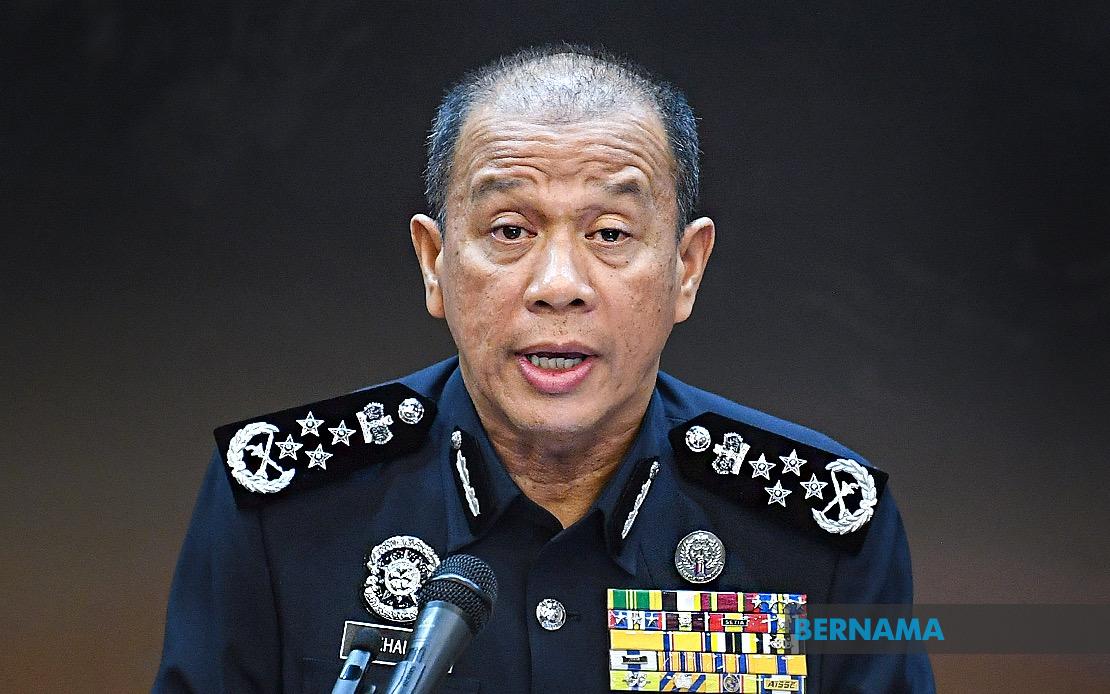
The Royal Malaysia Police has expressed strong support for a government-backed initiative aimed at reforming how officers and personnel progress through the ranks, with the Inspector-General of Police characterising the move as recognition of the security forces' vital role in maintaining national order and public safety. Speaking in Kuala Lumpur, Tan Sri Mohd Khalid Ismail underscored that the announcement reflects broader government acknowledgment of the sacrifices made by those charged with protecting the nation, signalling an effort to strengthen institutional commitment to personnel welfare and professional development.
Prime Minister Datuk Seri Anwar Ibrahim introduced the proposal during an address to Malaysian Armed Forces personnel at Terendak Camp, revealing that the cabinet had in principle approved measures to remove administrative bottlenecks that currently slow advancement decisions. The initiative seeks to harmonise the promotional framework across both the PDRM and MAF with the standard advancement processes used throughout Malaysia's civil service, potentially creating a more consistent and transparent pathway for career progression across government institutions.
According to the Prime Minister's statement, full particulars of the reformed mechanism will be unveiled during the Ambang Merdeka celebration scheduled for August 30 at Stadium Merdeka in Kuala Lumpur. This public announcement at a major national event signals the government's intention to frame the reform as part of its broader commitment to institutional modernisation and recognition of frontline personnel, lending the initiative considerable symbolic weight beyond its administrative dimensions.
The IGP's response highlighted how career stagnation has long been a source of frustration within police ranks, with officers expressing concerns that bureaucratic procedures delay recognition of merit and competence. By moving toward expedited promotion timelines, the government aims to address a persistent morale issue that could affect retention of experienced personnel and the calibre of individuals willing to pursue demanding police careers. Tan Sri Mohd Khalid explicitly linked improved career pathways to enhanced institutional integrity and professionalism, suggesting the government views personnel satisfaction as integral to service quality.
For Malaysian officers and soldiers, such reforms carry material consequences beyond symbolic recognition. Accelerated promotion directly affects lifetime earnings through salary progression, pension calculations, and access to senior positions carrying enhanced benefits. The reduction of bureaucratic barriers could also address historical grievances about promotion delays that have occasionally become flashpoints in labour relations between security forces and government management, making this initiative potentially significant for industrial relations within these institutions.
The PDRM's stated eagerness to cooperate in implementation reflects institutional readiness for change, though the force remains awaiting precise details about the new mechanism's mechanics. Questions about how merit will be assessed, which positions will open under accelerated timelines, and how existing seniority structures will adapt to faster advancement remain unanswered. These implementation details will prove crucial in determining whether the initiative genuinely transforms career prospects or represents primarily symbolic reform.
From a regional perspective, Malaysia's effort to streamline security force advancement mirrors similar initiatives across Southeast Asia, where several nations have undertaken police and military modernisation programmes partly aimed at improving personnel retention and reducing corruption through enhanced career satisfaction. The move positions Malaysia within a broader regional conversation about making security service careers more attractive and professionally rewarding, potentially influencing how neighbouring countries evaluate their own institutional structures.
The government's framing of this reform as part of its governance modernisation agenda suggests potential linkage to broader public sector efficiency improvements. By harmonising promotion systems across multiple agencies, policymakers may be attempting to standardise advancement criteria and reduce the ad-hoc decision-making that sometimes characterises security force promotions. Such systematisation could enhance transparency and reduce perceptions of favouritism, historically a concern affecting morale and public trust in institutional impartiality.
For Malaysian society broadly, the initiative carries implications for police effectiveness and public safety. Officers who perceive career prospects as limited may experience reduced motivation or increased temptation toward problematic conduct, while those seeing genuine advancement opportunities tend toward higher professional standards and institutional commitment. The government appears to be banking on this psychological relationship, betting that improved career pathways will strengthen the police force's capacity to deliver professional, corruption-resistant policing.
The timing of this announcement, ahead of Malaysia's independence day celebrations, deliberately positions the reform within nationalist framing, presenting improved conditions for security personnel as part of national strengthening and government responsiveness to key institutions. This contextualisation aims to build public support while simultaneously demonstrating to security forces that the administration values their contributions and listens to their professional concerns, potentially important for institutional relations as Malaysia navigates complex domestic security challenges.
Implementation will determine whether this initiative achieves its intended outcomes. The PDRM has indicated readiness to cooperate, but questions persist about resource constraints, position availability, and how the new system will accommodate competing promotion aspirations within rank-conscious military and police hierarchies. August 30's detailed announcement will clarify whether this represents transformative institutional reform or more modest adjustment to existing advancement procedures, a distinction that will significantly affect its actual impact on personnel morale and organisational effectiveness in coming years.

