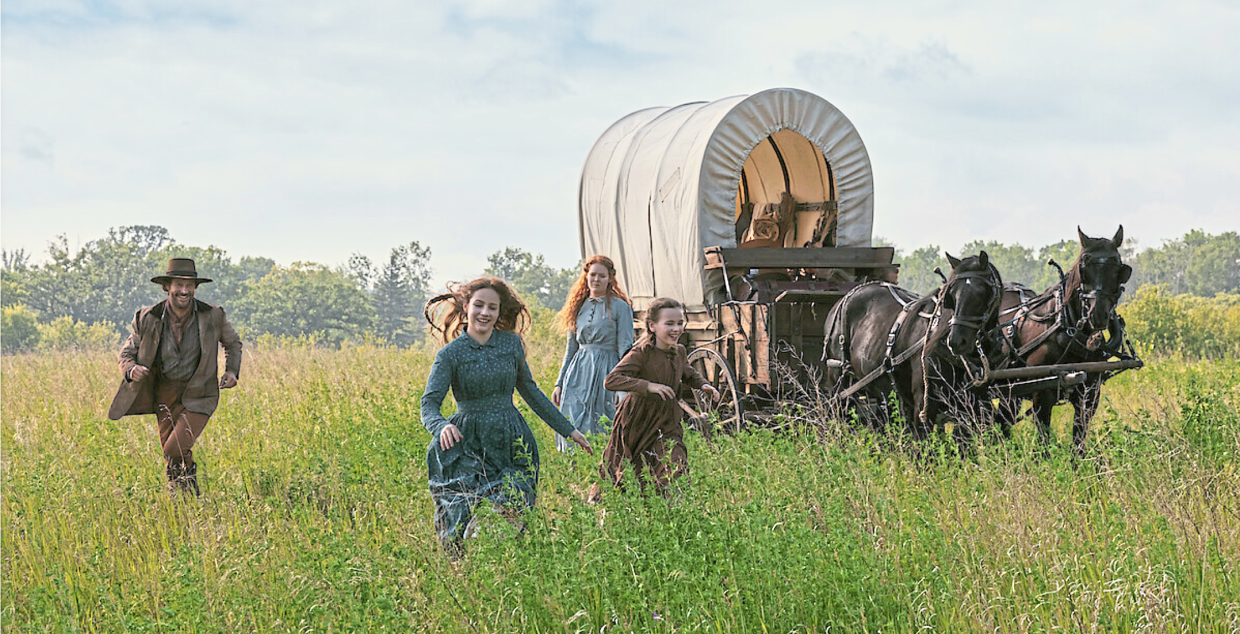
Netflix's upcoming 2026 adaptation of Little House On The Prairie will bring the enduring frontier saga to streaming audiences through a contemporary lens, anchored by Australian actor Luke Bracey in the pivotal role of Charles Ingalls. The reimagining marks another chapter in the storied history of Laura Ingalls Wilder's 1935 novel, which has captivated readers and viewers across generations with its intimate portrayal of family resilience in the untamed American West. Rather than simply retreading familiar narrative ground, the new series appears positioned to explore the settlement story with greater historical nuance, particularly regarding perspectives long marginalised in earlier adaptations.
Bracey's casting as the family patriarch reflects Netflix's investment in bringing established literary properties to international audiences with recognisable talent. The actor views his role as custodian of themes that have ensured the source material's longevity. He emphasises that the universal appeal of the Ingalls family saga transcends era and geography, noting that the narrative's foundation—a household bound by genuine affection despite overwhelming hardship—resonates powerfully across cultures and decades. This observation carries particular weight for Southeast Asian audiences, where family-centred storytelling remains culturally significant, suggesting the reboot's emotional architecture may translate effectively across regional markets.
The supporting cast shapes the family dynamic in meaningful ways. Alice Halsey assumes the role of Laura Ingalls, the series' emotional centre, while Crosby Fitzgerald portrays her mother Caroline and Skywalker Hughes takes on the role of Mary, Laura's elder sister. This ensemble approach allows the narrative to develop multiple character arcs simultaneously, moving beyond the singular focus that characterised some earlier adaptations. The inclusion of these distinct perspectives within the Ingalls household creates space for exploring competing viewpoints about frontier opportunity and constraint.
Halsey's reflections on Laura's coming-of-age experience illuminates why the reboot may resonate with contemporary viewers navigating questions of gender equity. She articulates the structural disadvantages facing girls in the 1800s frontier setting, noting the educational and professional limitations that constrained female development. By explicitly foregrounding these historical inequities, the actress signals that the Netflix version will not shy away from depicting the era's darker social realities. Her observation that modern opportunities available to women would have been unimaginable to her historical counterpart underscores the show's educational potential alongside its entertainment value.
This thematic commitment to historical honesty distinguishes the new adaptation from its predecessor. The original 1970s NBC series, which ran successfully from its debut until 1983, prioritised sentiment and moral instruction within the constraints of broadcast television conventions. That show became iconic precisely because it balanced hardship with hope, but it operated within storytelling parameters that often softened or elided certain historical complexities. Netflix's version, developed under creator and showrunner Rebecca Sonnenshine, appears designed for an audience accustomed to more sophisticated historical representation in prestige television.
Particulously significant is the series' stated engagement with settler-colonial and Indigenous narratives—dimensions largely absent or minimised in earlier versions. The American frontier mythology has long been constructed primarily from the perspective of European settlers, with Native American communities relegated to background roles or portrayed through stereotypes. By centering these contested historical narratives, the reboot acknowledges that the Ingalls family's story exists within a broader context of territorial displacement and cultural conflict. For Malaysian viewers familiar with colonial history and its contemporary repercussions, this narrative approach offers meaningful engagement with how settler societies construct and contest historical memory.
The show's early renewal for a second season before its first-season premiere suggests strong internal confidence about the project's viability. This decision reflects typical Netflix strategy of securing cast and crew commitments early, but it also indicates the streaming service's substantial investment in this particular IP. The timing allows creative continuity and permits Hughes and her castmates to discuss the experience with the confidence of assured employment, evident in her remarks about the joy of accumulating memories across production seasons.
For the Malaysian market specifically, the reboot arrives at a moment when international streaming content increasingly shapes local entertainment consumption patterns. Netflix subscribers in the region have demonstrated appetite for historical dramas with literary pedigrees, particularly those offering complexity beyond surface-level narrative engagement. The Little House On The Prairie reboot's combination of recognisable intellectual property, accomplished casting, and thematic ambition positions it as likely flagship programming for the 2026 release cycle.
The production also reflects broader trends in how legacy properties undergo contemporary reimagining. Rather than attempting direct scene-for-scene recreation of source material, successful modern adaptations typically excavate thematic substrata and reconstruct them through contemporary sensibilities. Sonnenshine's approach appears to follow this model, preserving the emotional authenticity of family bonds whilst contextualising them within honest historical representation. This balance between fidelity to original spirit and willingness to challenge inherited interpretations characterises thoughtful adaptation practice.
Ultimately, the Netflix version of Little House On The Prairie extends a conversation about American frontier mythology that has continued for nearly two centuries. Each generation's retelling reflects its own preoccupations and evolving historical consciousness. The 1970s television series answered its era's questions about community, morality, and belonging. The 2026 adaptation appears poised to engage contemporary audiences regarding historical agency, representation, and the multiple narratives embedded within foundational national stories. By pursuing this more capacious historical vision, the reboot suggests that enduring stories merit revisitation precisely because they can accommodate new meanings and deeper understanding.

