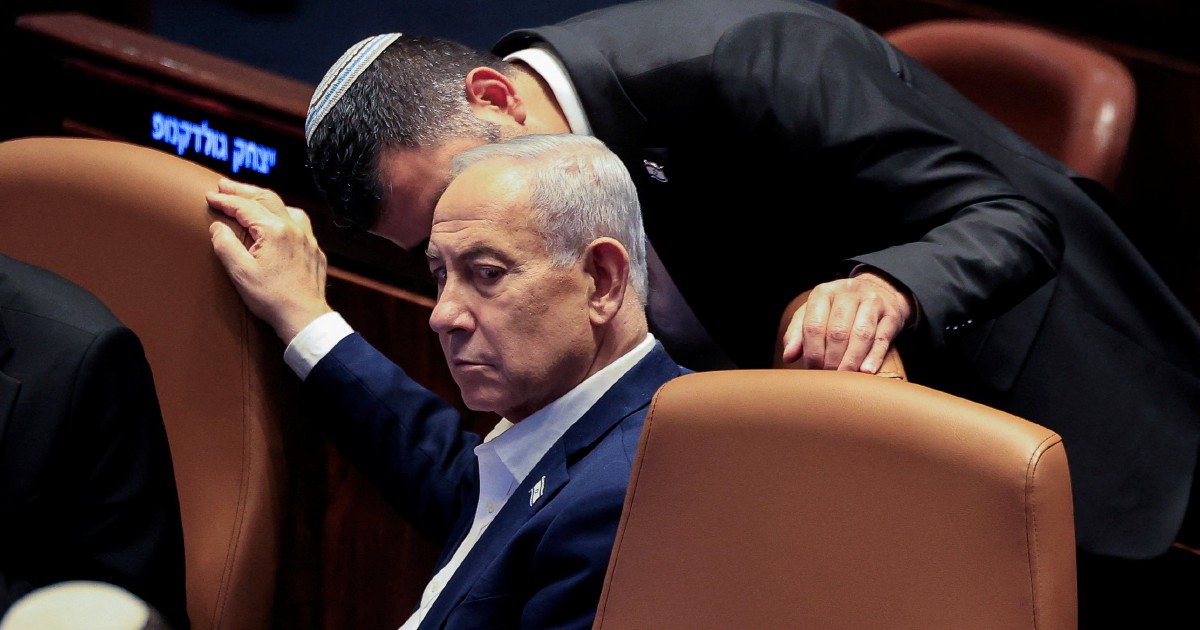
The office of Israeli Prime Minister Benjamin Netanyahu launched a sharp rebuke on Sunday against New York Mayor Zohran Mamdani following the politician's comments regarding the possibility of detaining Netanyahu during a forthcoming United Nations assembly. The exchange represents an unusual diplomatic friction between Israeli leadership and a prominent American municipal official, underscoring the heightened sensitivities surrounding Netanyahu's international profile and the legal challenges he faces across multiple jurisdictions.
Mamdani's remarks about contemplating whether to apprehend Netanyahu centre on the Israeli premier's involvement in various international legal proceedings. The New York mayor's comments, while ostensibly provocative, appear grounded in the existence of International Court of Justice inquiries and arrest warrants that have been issued against Netanyahu in certain jurisdictions. These legal measures stem from allegations related to Israeli military operations and have complicated Netanyahu's ability to travel internationally without risk of detention.
The Prime Minister's office characterized Mamdani's statements as deeply inappropriate and disrespectful toward both Netanyahu personally and the state of Israel broadly. Officials from Netanyahu's administration emphasized that such rhetoric undermines the diplomatic protocols that typically govern interactions between elected representatives of allied nations. The severity of the response suggests that Netanyahu's team views the mayor's comments not merely as political theatre but as a meaningful threat to the Israeli leader's security and freedom of movement.
This controversy arrives amid an already tense period in Israeli-American relations, where domestic American political divisions have increasingly intersected with Middle Eastern geopolitical disputes. New York City, hosting the United Nations headquarters, has become a focal point for these tensions given the prominence of international diplomacy conducted within its boundaries. The city's mayors have historically maintained careful distance from such contentious international legal matters, making Mamdani's intervention particularly noteworthy as a departure from established precedent.
For Malaysian observers and regional readers, this episode illuminates how international law and competing jurisdictions create friction even between traditionally allied nations. The situation reflects broader challenges facing leaders accused of war crimes or crimes against humanity, particularly regarding their ability to participate in multilateral forums without legal jeopardy. Several Southeast Asian nations maintain complex relationships with Israel and navigate similarly fraught questions about international accountability mechanisms versus state sovereignty.
The ICC and ICJ proceedings against Netanyahu have proven deeply consequential for his domestic political standing and international standing alike. These legal pressures intersect with questions about whether sitting heads of government can be held accountable through international institutions, or whether immunity and sovereignty shield them from prosecution. The case of Netanyahu has become emblematic of these larger tensions, particularly as anti-Netanyahu sentiment in Western cities has grown alongside ongoing Israeli military campaigns in Gaza and the West Bank.
Mamdani's intervention, whether calculated or spontaneous, touches upon the specific legal status of New York City under international law. As the host of the United Nations, the city exists in a peculiar jurisdictional grey zone where diplomatic immunity conventions intersect with American domestic law. Netanyahu's attendance at UN summits requires careful navigation of these overlapping legal frameworks, and the mayor's comments effectively highlighted the precariousness of such visits from the perspective of actors hostile or unsympathetic to the Israeli leadership.
The Netanyahu office's forceful response demonstrates the political costs of such remarks even when they appear speculative rather than definitive. By reacting sharply, Netanyahu's team signalled that they take such threats seriously, potentially elevating Mamdani's comments to greater prominence than they might otherwise have received. This dynamic reveals how legal vulnerabilities abroad can dominate the discourse surrounding an international leader's movements and activities, regardless of the ultimate likelihood of such scenarios materializing.
Regionally, this incident carries implications for how international law and diplomacy interact in an era of increasing polarization. Nations across Southeast Asia, many of which host significant international gatherings and maintain complex relationships with multiple global powers, must consider how legal mechanisms might be weaponized or invoked during high-profile diplomatic events. The Netanyahu case serves as a cautionary example of how universal jurisdiction claims and international arrest warrants can create unpredictable diplomatic friction.
For the United Nations system itself, the incident raises uncomfortable questions about the safety and freedom of movement that member states' leaders should enjoy when attending international assemblies. The organization operates on principles of diplomatic immunity and neutral territory, yet these protections have faced increasing challenge as international accountability mechanisms have grown more assertive. Netanyahu's legal jeopardy illustrates the tension between mechanisms designed to ensure accountability and the practical functioning of international diplomacy.
Moving forward, the Netanyahu-Mamdani exchange likely foreshadows ongoing tensions around the Israeli leader's international travel and participation in multilateral forums. Whether American officials will adopt similar rhetoric or positions remains uncertain, but the episode demonstrates how even municipal leaders can amplify and complicate these legal and diplomatic issues. The incident serves as a reminder that in an interconnected world, legal proceedings in one jurisdiction can rapidly escalate into international diplomatic incidents with consequences extending far beyond courtrooms.

