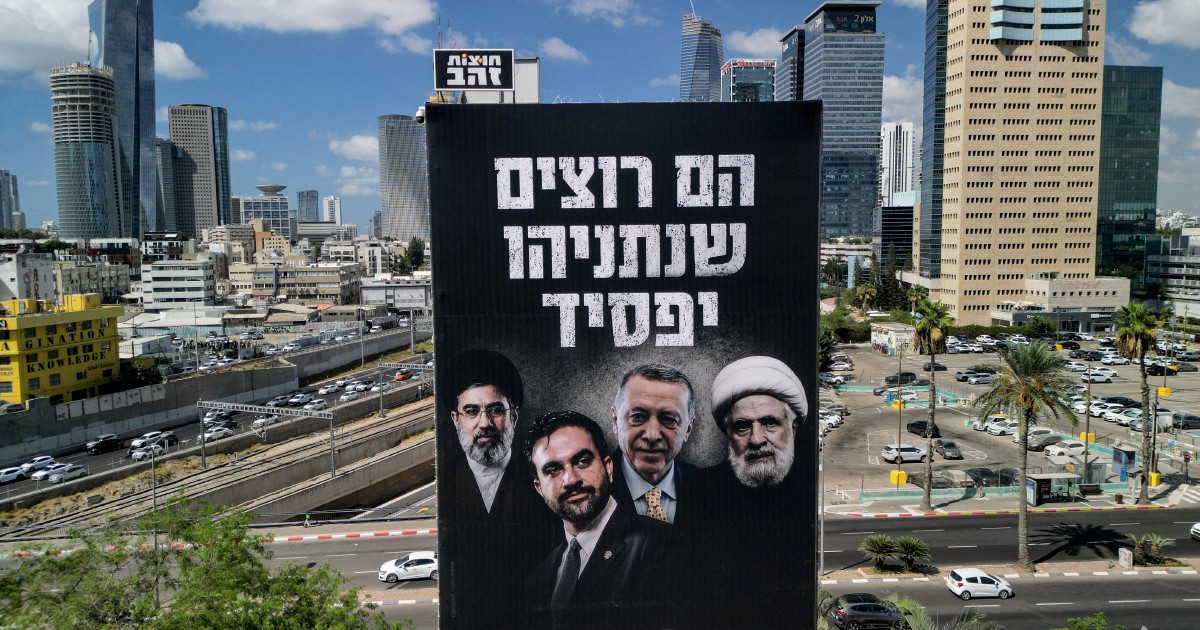
Benjamin Netanyahu's Likud party concluded internal voting on Monday to determine its candidate slate for Israel's October 27 general election, marking a crucial moment for the embattled prime minister as his political fortunes have deteriorated markedly since the previous parliamentary contest. The primary process reflects the party's attempt to reinvigorate its support base at a time when the Israeli political landscape shows signs of realignment, with multiple survey organisations tracking a narrowing gap between Likud and opposition parties.
The timing of the Likud primary underscores the heightened stakes facing Netanyahu, whose government has weathered substantial domestic challenges in recent months. The competitive dynamics now evident in preliminary polling stand in sharp contrast to previous election cycles, when Likud commanded more substantial leads. Political analysts watching the Israeli election scene note that the internal party voting process itself has become more significant this cycle, as the selection of candidates could determine whether Likud retains momentum into the campaign proper or continues losing ground to rival factions.
Israeli politics has experienced considerable turbulence, with multiple governing coalitions rising and falling, and the electoral environment remains fluid. The October 27 ballot represents an opportunity for voters to reshape the Knesset composition, and Likud's performance in the primary voting provides one of the first concrete signals of whether the party can stabilise its position. The apparent tightening of the race, reflected in recent polling data, suggests that Netanyahu cannot assume automatic victory as his party previously might have anticipated.
The broader context of Israeli electoral politics demonstrates how quickly momentum can shift in a highly polarised political environment. Likud's position as the largest right-wing party remains significant, yet the emergence of competitive challenges means the party must actively mobilise supporters rather than relying on traditional voting patterns. The primary voting mechanism allows party members to shape their party's public face and messaging going into the campaign season, making such internal contests more consequential when external political conditions favour opposition movements.
For Malaysian and Southeast Asian observers, the Israeli electoral dynamics reflect patterns visible across many democracies where established ruling parties face renewed popular scrutiny. The concept of political incumbency providing automatic advantage has been tested repeatedly in recent years, with voters in multiple countries opting for change despite familiar leadership figures. Netanyahu's Likud confronts a situation where governing experience alone may not suffice to maintain electoral dominance, particularly when economic or security concerns weigh heavily on public consciousness.
The primary process itself reveals internal party dynamics that could influence campaign strategy. Candidates selected through Monday's voting will represent Likud's public face during the election campaign, and their selection reflects member preferences regarding the party's direction and priorities. This internal democratic exercise, however contentious or competitive, establishes the foundation for how Likud presents itself to the broader Israeli electorate in the weeks leading to October 27.
Analysts monitoring Israeli politics note that the tightening race creates pressure on Likud to generate enthusiasm among its base while simultaneously appealing to moderate voters who may have drifted toward other parties. The October election will test whether the right-wing coalition's structural advantages in Israeli politics remain sufficient to secure another governing mandate, or whether electoral realignment favours opposition consolidation. Likud's performance in primary voting, combined with subsequent campaign performance, will determine whether Netanyahu can secure another term leading Israel's government.
The Israeli electoral calendar means that campaigning will intensify substantially over coming weeks, with parties deploying their selected candidates across the country to persuade voters. For Likud, the challenge extends beyond merely selecting popular candidates; the party must reconnect with voters whose support may have eroded and address concerns that have driven recent polling shifts. The October 27 election represents a critical test of whether Netanyahu's long political tenure remains compatible with contemporary Israeli voter preferences.
Regional observers should note that Israeli electoral outcomes influence Middle Eastern stability and diplomatic engagements across Southeast Asia's broader geopolitical environment. The shape of Israel's next government could affect regional tensions and international diplomatic initiatives, with implications extending to how various nations calibrate their foreign policies. Likud's trajectory toward October 27, beginning with Monday's primary voting, therefore warrants attention from those tracking developments in global geopolitical alignments.

