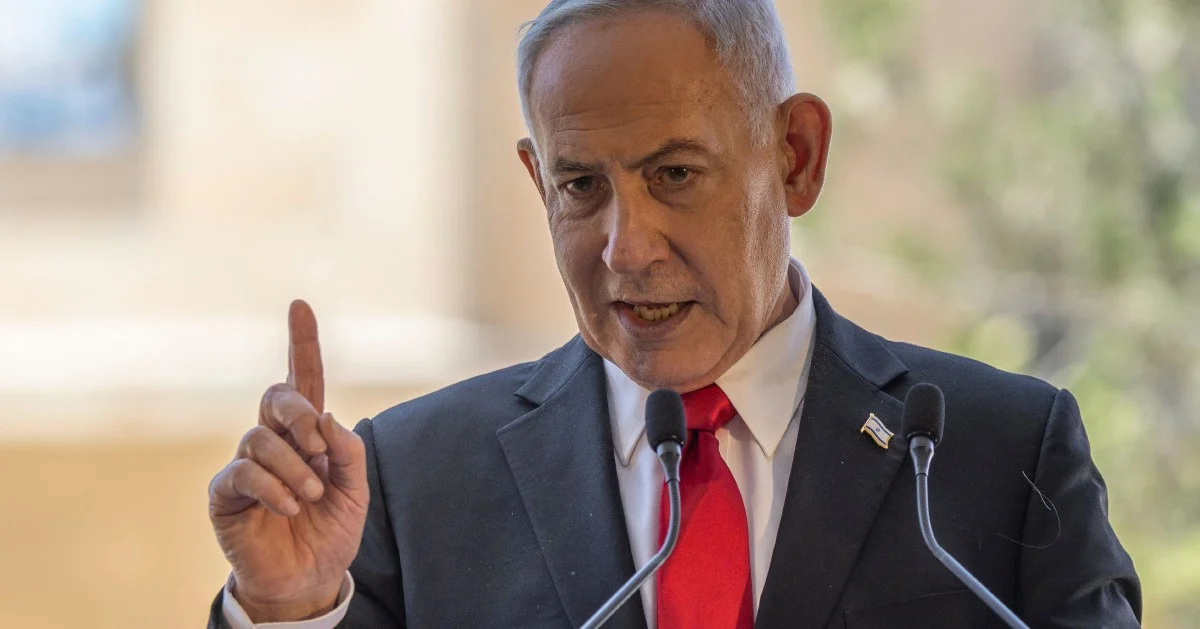
Prime Minister Benjamin Netanyahu's administration is engaging in a legislative sprint to advance politically sensitive measures before the Israeli parliament's imminent dissolution, setting the stage for national elections scheduled four months away. The government's aggressive push to pass multiple contentious bills in rapid succession has triggered significant backlash from opposition parties, who view the timing as an attempt to cement unpopular policies before facing voters at the ballot box.
The timing of this legislative burst reflects a common political dynamic where ruling coalitions attempt to entrench their preferred policies during the window between dissolution and fresh elections. With parliament set to formally disband in coming days, the Netanyahu government faces mounting pressure to secure passage for its agenda items, as a new legislative session would reset progress on pending measures. This creates an artificial urgency that critics argue prioritises ideological goals over deliberative governance.
Israeli opposition figures have characterised the government's strategy as circumventing democratic accountability. By pushing through legislation during the final days before parliamentary elections, the administration effectively removes these decisions from the electoral debate, preventing voters from directly rendering judgement on these specific policies. This practise, while technically legal, raises questions about the spirit of democratic consultation that typically precedes major legislative changes.
The bills under consideration span multiple policy domains, though their exact substance remains contested between government and opposition camps. Each disputed measure carries implications beyond immediate parliamentary procedure, potentially affecting resource allocation, institutional powers, or individual rights. Opposition parties have called for extended debate periods and public hearings, arguing that the compressed timeline prevents adequate scrutiny and input from affected communities.
The parliamentary dissolution itself represents a significant political moment for Israel. Four months represents a relatively compressed timeframe for election campaigns in international comparative terms, though campaigns in Israel typically involve intense media coverage and public discourse concentrated over shorter periods. The election will determine whether Netanyahu retains his coalition control or whether alternative governing arrangements emerge from the ballots.
For regional observers, the timing and content of these legislative initiatives carry broader implications for Israeli governance stability and policy continuity. The government's willingness to prioritise rapid passage suggests confidence in its coalition's ability to advance its agenda before facing electoral accountability. However, the fierce opposition response indicates substantial portions of the Israeli electorate view these measures as problematic, potentially shaping electoral dynamics in the months ahead.
The legislative strategy reflects Netanyahu's long tenure as Prime Minister and his sophisticated understanding of parliamentary mechanics. Having governed Israel across multiple terms and coalition configurations, he recognises that parliamentary dissolution creates a narrow window where executive prerogatives expand relative to legislative constraints. The current approach maximises advantage from this institutional reality, though it simultaneously invites accusations of overreach.
From a Malaysian and Southeast Asian perspective, Israeli parliamentary procedures and election timing may seem distant concerns. Yet the broader principle at stake—whether governments should advance contested policies during transition periods—resonates across democracies globally. The tension between administrative efficiency and democratic deliberation represents a perpetual challenge for elected systems, particularly where coalition governments must navigate competing party interests and public accountability requirements.
The opposition's fierce criticism suggests these bills would face substantial voter scepticism if presented during normal electoral debate. This dynamic raises questions about the legitimacy of enacting disputed measures through procedural advantage rather than democratic consensus. Israeli civil society organisations have similarly protested the compressed timeline, arguing that public consultation and impact assessment require more extended periods than the government's accelerated schedule permits.
Parliamentary dissolution in four months creates significant uncertainty regarding legislative effectiveness. If the incoming government emerges with different coalition partners or ideological orientation, these hastily-passed bills might face repeal attempts or substantial amendment. Conversely, if Netanyahu's bloc retains control, the legislation becomes entrenched before fresh electoral mandates materialise. This institutional volatility underscores why rushed legislative agendas carry risks beyond immediate political advantage.
The government's approach reflects assumptions about electoral outcomes and coalition formation that may not materialise as anticipated. Israeli electoral history demonstrates that pre-election projections frequently diverge from actual results, particularly regarding coalition dynamics. Should the elections produce unexpected results, the administration's final legislative push might represent either a cementing of the Netanyahu agenda or merely a temporary assertion of power subject to reversal by successor governments.
As Israeli politics moves toward the election campaign phase, these legislative controversies will likely feature prominently in electoral debate. Opposition parties will emphasise the government's willingness to bypass normal democratic processes, while Netanyahu's supporters will defend the measures as necessary governance during transition periods. This framing battle will shape public perception of the government's legitimacy and influence electoral calculations across Israeli society.

