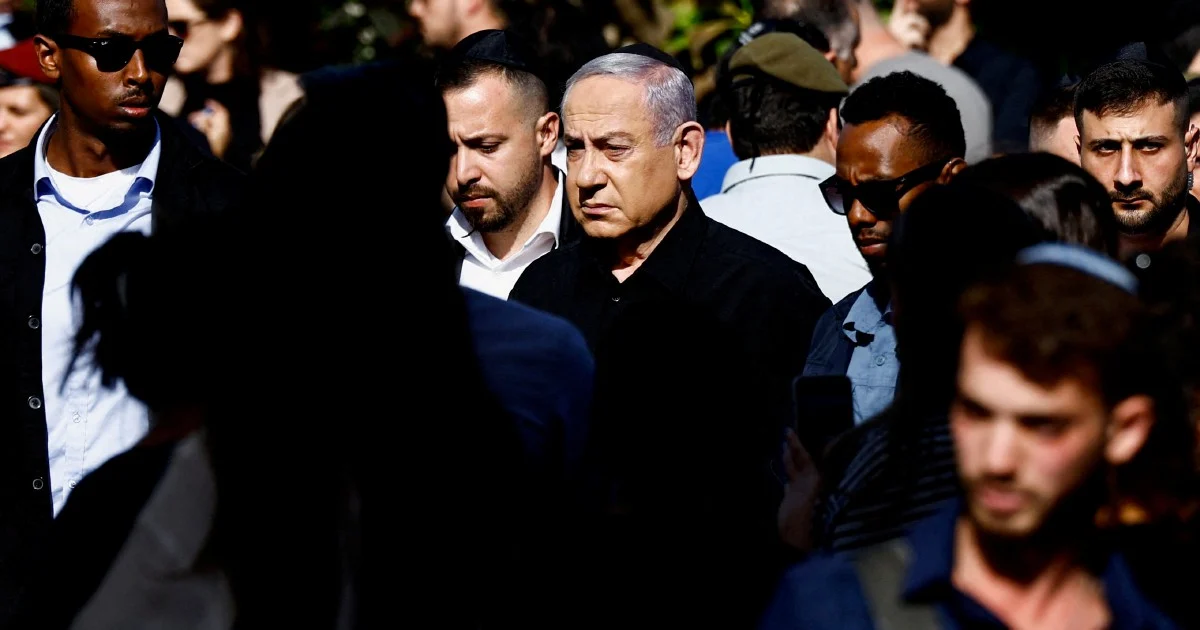
Israeli Prime Minister Benjamin Netanyahu has concluded his testimony in a series of criminal corruption proceedings, marking a significant milestone in the country's most high-profile legal case in recent years. A spokesperson from the justice ministry confirmed the completion of his testimony to international news agencies on Wednesday, bringing to an end a gruelling period of courtroom appearances that has occupied considerable time and political attention in Jerusalem.
The testimony represents a watershed moment in Netanyahu's legal battles, which have shadowed his tenure as prime minister since late 2019. The proceedings have touched on allegations spanning bribery, fraud, and breach of trust—charges that Netanyahu has consistently denied. The extended duration of his testimony underscores the complexity of the cases and the voluminous evidence both prosecution and defence teams have sought to present to the court, making this one of the most elaborate criminal proceedings involving an Israeli political leader in decades.
Navigating his legal challenges while simultaneously managing the country's international relations presents Netanyahu with an intricate balancing act. Even as the courtroom phase evolves, he continues overseeing Israeli security and foreign policy matters that demand constant attention. The completion of testimony, however, does not signal the end of proceedings; the judicial process will continue with potential closing arguments, judge deliberations, and potential appeals that could extend for months or years into the future.
Simultaneously, Netanyahu is grappling with broader geopolitical shifts that many Israeli analysts and policymakers view unfavourably. Recent developments in US-Iran relations have generated considerable concern within Israeli leadership circles about potential implications for regional stability and Israeli security interests. These diplomatic manoeuvres, taking place thousands of kilometres away, carry direct consequences for Israel's strategic calculus in the Middle East and its relationship with Washington, traditionally its closest ally.
The convergence of Netanyahu's personal legal troubles with these substantial foreign policy challenges creates a complex political environment in Israel. Some observers note that domestic legal proceedings can sometimes influence or be perceived to influence international posturing, though such correlations remain contested among analysts. The prime minister's ability to maintain domestic political support while defending himself in court and simultaneously projecting Israeli interests internationally demonstrates the multifaceted pressures facing contemporary Israeli leadership.
For Southeast Asian observers, the situation illustrates broader patterns in how legal challenges can intersect with governance in democratic systems. Malaysia, with its own experience of high-profile political and legal proceedings involving senior figures, offers parallels in understanding how institutions navigate such circumstances. The Israeli case demonstrates both the independence of judicial systems and the complexities that arise when sitting leaders face criminal charges while discharging executive responsibilities.
The regional implications of US-Iran relations extend beyond Israel, affecting broader Middle Eastern stability and potentially influencing global energy markets and security arrangements that have downstream effects on Southeast Asia. Any shift in Iranian regional influence or American strategic posture reverberates through international relations frameworks that affect nations worldwide, including those in the Indo-Pacific region.
Netanyahu's legal team has presumably prepared extensively for the testimony phase, presenting their defence against allegations that have captivated Israeli public attention since formal indictments were filed. The prosecution, having completed its case presentation, will now assess the testimony provided and prepare final arguments before the court issues its judgment—a process that typically requires months of judicial consideration.
The conclusion of Netanyahu's testimony marks a transitional phase rather than a final resolution. The court must now deliberate on the weight of evidence, credibility assessments of witnesses, and applicability of legal principles to the specific allegations. Expert legal observers in Israel suggest that verdicts are unlikely within the immediate future, with the judicial process potentially extending well into 2025 and beyond.
Politically, Netanyahu's position remains secure in terms of his prime ministerial office; Israeli law does not require resignation based on indictment or trial proceedings, allowing him to continue governing while legal processes unfold. This arrangement, while enabling continuity of leadership, has proven contentious among some citizens and opposition figures who argue that concurrent leadership and criminal defence strains governmental focus.
The international dimension adds another layer to Netanyahu's challenges. As Israel's primary strategic partner, American policy decisions regarding Iran carry outsized significance for Israeli security planning. Intelligence assessments about Iranian intentions and capabilities inform Israeli military doctrine and deterrence strategies, making developments in Washington's Iran policy directly consequential for Israeli strategic planning.
Looking ahead, the dual narrative of Netanyahu's trial and Israel's regional positioning will likely continue occupying political space in the Middle East. For international observers, the case demonstrates how even nations with robust democratic institutions face tensions between accountability mechanisms and governing necessities when senior leaders face charges. The resolution of Netanyahu's trials will eventually come, but the regional geopolitical consequences of current diplomatic trends may prove more immediately consequential for Israeli security and Middle Eastern stability.