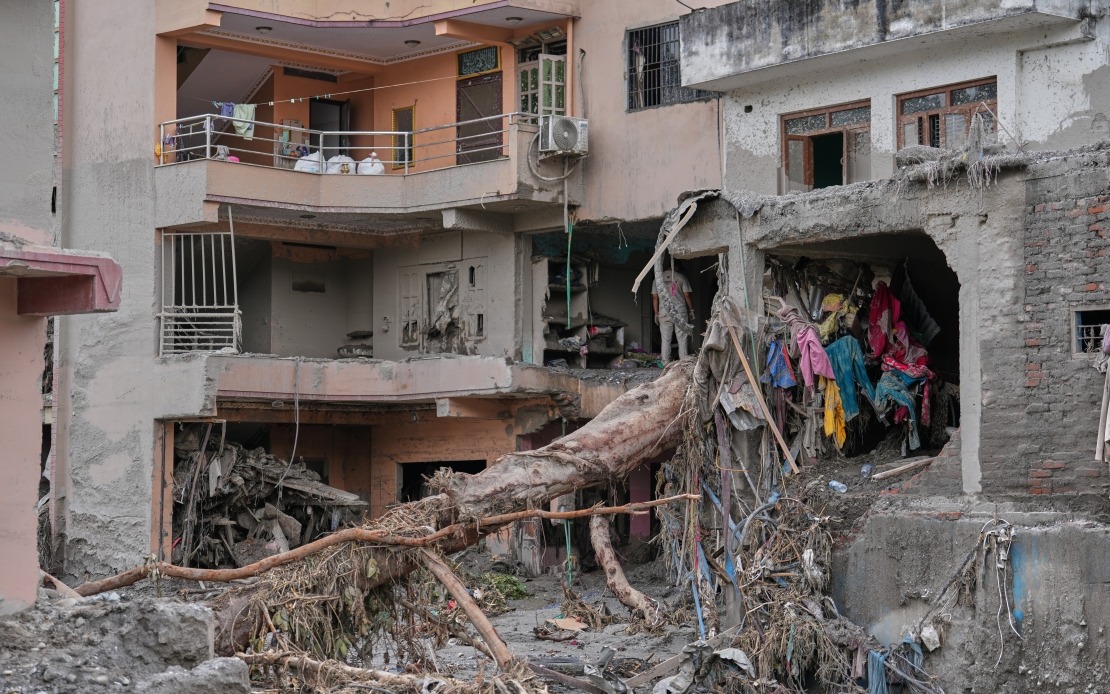
Nepal faces an enormous humanitarian challenge following catastrophic flooding that devastated communities across multiple districts, with authorities now focusing on a critical but sensitive task: systematically preserving DNA and other identifying information from victims who cannot be immediately recognised. Prime Minister Balendra Shah announced on Saturday evening that the government has adopted a measured approach to managing the remains, prioritising the preservation of evidence that could eventually reunite families with their deceased loved ones.
The Bhotekoshi River overflow occurred on August 26, triggering a disaster of striking proportions across a broad geographic area. The initial impact devastated the districts of Rasuwa, Nuwakot, and Dhading most severely, though the consequences rippled outward across an extensive corridor. The rising waters swept away homes, destroyed critical infrastructure, and severed lifelines in some of Nepal's more remote and vulnerable communities. The scale of destruction underscores the vulnerability of settlements positioned near major waterways in mountainous terrain, where seasonal flooding poses recurring threats to populated areas.
The death toll reflects the violence of the deluge. Authorities have recovered 675 bodies from across eight affected districts: Rasuwa, Dhading, Nuwakot, Chitwan, Tanahun, Gorkha, Nawalparasi East, and Nawalparasi West. This figure, though representing official recoveries, likely masks additional missing persons whose remains have not yet been located. The geographic spread indicates how the flood's destructive force propagated far downstream, depositing debris and victims across considerable distances and complicating recovery operations substantially.
The decision to preserve DNA and other identifying evidence represents a sophisticated forensic approach to mass casualty management. For many developing nations, including Nepal, handling such unprecedented death tolls strains institutional capacity significantly. The government's commitment to retain biological and physical evidence before proceeding with burial demonstrates recognition that immediate identification may prove impossible for many victims, yet future identification remains technically feasible. Families separated from relatives by the disaster will potentially gain closure through subsequent identification processes, even if initial recovery circumstances prevented immediate recognition.
This policy carries profound implications for Nepal's families confronting unimaginable loss. In many communities throughout South Asia, cultural and religious practices emphasise swift burial or cremation following death, creating tension between traditional expectations and modern forensic necessity. The government's requirement to collect evidence before disposal may prolong the distress of grieving families, yet it provides realistic hope that unknown victims might later be identified through DNA matching or other scientific means. This balance between respecting customs and maintaining investigative capacity reflects difficult choices authorities must navigate.
The preservation protocol also raises practical questions about Nepal's forensic infrastructure. The country must establish secure facilities capable of maintaining DNA samples and evidence over extended periods, potentially years, while developing or accessing databases for comparison. Nepal's forensic capabilities, though improving, may face constraints given the sheer volume of samples requiring processing. International assistance and cooperation with more equipped regional laboratories in India or Bangladesh might become necessary to manage the workload effectively and ensure evidence integrity throughout storage periods.
For Malaysia and other Southeast Asian nations, Nepal's tragedy offers sobering reminders about vulnerability to natural disasters. The region's monsoon patterns and river systems present similar flooding risks to communities across multiple countries. Malaysia's own experience with major floods, particularly in Peninsular Malaysia and Sabah, has demonstrated both the human toll and the administrative complexities of managing mass casualties. Nepal's systematic approach to DNA preservation could inform regional disaster response protocols, particularly regarding mass fatality management and family reunification processes.
The announcement also highlights governance challenges during catastrophes. Prime Minister Shah's public communication about the protocol helped clarify government intentions and provided families with information about what would happen to their deceased. Transparent communication regarding disaster response procedures reduces speculation and builds public confidence during crises, particularly in regions where distrust of authorities can complicate relief efforts. Nepal's willingness to explain its forensic protocols publicly distinguishes this response from less transparent approaches observed historically in other major disasters.
The economic dimensions of this disaster extend beyond the immediate human cost. Infrastructure damage across eight districts will require substantial investment in reconstruction, diverting resources from development priorities. The Bhotekoshi River corridor includes communities dependent on agriculture and small-scale commerce, both vulnerable to water-related destruction. Rebuilding will strain Nepal's limited governmental budgets, likely necessitating international donor support and assistance. Regional development patterns may require reassessment to incorporate climate resilience and natural hazard mitigation more comprehensively.
Longer-term implications for Nepal include potential policy shifts regarding settlement patterns, early warning systems, and disaster preparedness infrastructure. The spatial distribution of casualties across eight districts suggests that early warning systems may have proven insufficient or that some communities lack adequate evacuation capacity. Future prevention strategies might incorporate restrictions on settlement in highest-risk zones, improved flood forecasting capabilities, and community-level evacuation planning. These interventions represent investments in resilience that could significantly reduce casualties in future flood events.
The international community's response to Nepal's disaster will likely focus on providing forensic expertise and material support for evidence preservation. Countries with advanced DNA laboratories and disaster response experience have humanitarian interest in assisting, while gaining valuable data about mass casualty management in South Asian contexts. Collaboration during this crisis could strengthen regional preparedness mechanisms and foster knowledge exchange beneficial to all participating nations confronting similar vulnerabilities.

