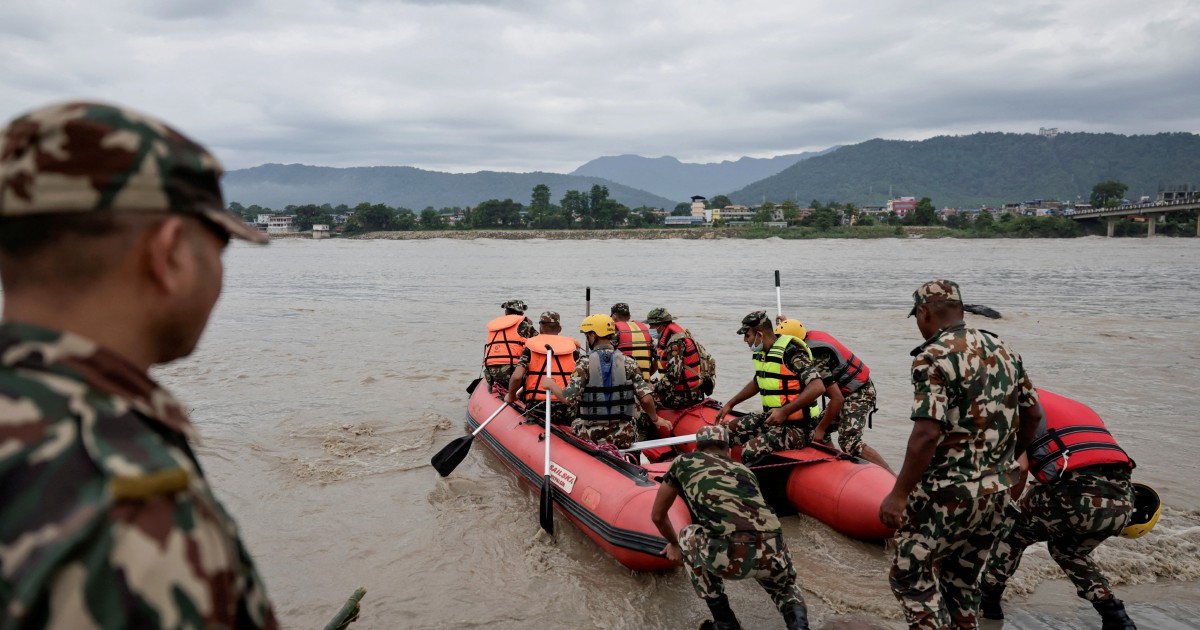
Nepal faces its most severe natural disaster in recent years as unprecedented flooding sweeps across the nation, claiming hundreds of lives and leaving thousands unaccounted for. Prime Minister Balendra Shah has described the unfolding crisis as "unimaginable and heartbreaking," underscoring the gravity of a situation that has stretched the country's emergency response systems to their limits. The scale of the catastrophe remains difficult to quantify as rescue and relief operations continue in areas cut off by rising waters, damaged infrastructure, and landslides that have isolated entire communities.
The flooding has exposed the vulnerability of Nepal's mountainous terrain and aging infrastructure to extreme weather events. Torrential rains have triggered widespread inundation in multiple districts, with rivers overflowing their banks and sweeping through populated areas with devastating force. The country's topography, characterised by steep slopes and narrow valleys, has amplified the destructive power of floodwaters, turning what might be manageable water overflow in flatter regions into catastrophic surges that destroy everything in their path.
Emergency response teams are facing enormous logistical challenges in reaching affected populations. Many villages and towns remain cut off due to washed-out roads and destroyed bridges, hindering the delivery of emergency supplies, medical assistance, and rescue personnel. The destruction of communication infrastructure in several districts has further complicated efforts to establish contact with isolated residents and obtain accurate casualty figures. This communication blackout has created a fog of uncertainty around the true scale of losses, with officials struggling to account for those in remote areas where contact has been impossible to establish.
The disaster arrives at a particularly difficult moment for Nepal, which still bears the scars of previous natural calamities. The 2015 earthquake that killed nearly 9,000 people exposed weaknesses in building standards and disaster preparedness that remain only partially addressed. While reconstruction efforts have been ongoing, many communities remain vulnerable to secondary disasters such as the flooding and landslides now ravaging the country. The concurrent occurrence of multiple hazards—flooding, landslides, and the collapse of inadequately reinforced structures—has compounded the humanitarian crisis.
International humanitarian agencies are mobilising resources to support Nepal's response efforts. The United Nations and various non-governmental organisations with established operations in the country have begun coordinating with Nepalese authorities to provide emergency assistance. However, the enormity of the disaster is likely to exceed initial aid availability, particularly in the critical first weeks when immediate needs for food, clean water, and shelter are most acute. Regional neighbours, including India, have already begun responding to requests for disaster assistance, reflecting a broader South Asian commitment to mutual support during natural emergencies.
The economic ramifications of this disaster will be substantial and long-lasting. Nepal's already fragile economy, heavily dependent on tourism and remittances from diaspora populations, will face significant strain as destinations become inaccessible, businesses are destroyed, and reconstruction demands grow. Agricultural lands—vital for a nation where farming remains central to rural livelihoods—have been inundated or buried under landslide debris. These losses will have cascading effects throughout the economy, potentially pushing vulnerable households deeper into poverty and creating new migration pressures.
Climate scientists have long warned that the Himalayan region faces increasing risks from extreme weather events driven by climate change. Warmer atmospheric temperatures alter precipitation patterns, create more volatile monsoon systems, and destabilise mountain snow and ice, all of which contribute to more intense flooding events. Nepal, positioned in one of the world's most climate-vulnerable regions, now appears to be experiencing the early manifestations of these warned-about impacts. The frequency and intensity of such disasters may increase in coming decades, necessitating fundamental shifts in how the nation builds, plans, and protects its citizens.
For regional observers in Southeast Asia, Nepal's crisis offers sobering lessons about preparedness and resilience. While Southeast Asian nations face different geographical and climatic challenges than the Himalayan region, many share Nepal's combination of tropical monsoons, rugged terrain, and developing infrastructure. Countries like Vietnam, Thailand, Myanmar, and the Philippines have experienced similarly devastating floods in recent years, suggesting that this region broadly faces increasing disaster risk. Nepal's experience underscores the need for improved early warning systems, disaster-resistant infrastructure investment, and regional cooperation frameworks for emergency response.
The immediate focus for Nepali authorities remains saving lives and stabilising the humanitarian situation. Prime Minister Shah's acknowledgement of the disaster's scale indicates that the government is moving beyond initial crisis denial toward systematic assessment and response. However, authorities will need sustained international support, both financial and technical, to manage what promises to be a protracted recovery and reconstruction period. The coming weeks will be critical in determining how many of the thousands currently missing can be located and how effectively emergency aid reaches those most in need.

