A Kathmandu district court has convicted two former Nepali government ministers and 14 others in connection with an elaborate scheme involving forged documentation designed to enable Nepali nationals to resettle in the United States under false pretences as Bhutanese refugees. The verdicts, delivered late Tuesday, represent a significant moment in Nepal's ongoing struggle against high-level corruption, particularly as the country's younger generation demands greater accountability from political and bureaucratic leadership.
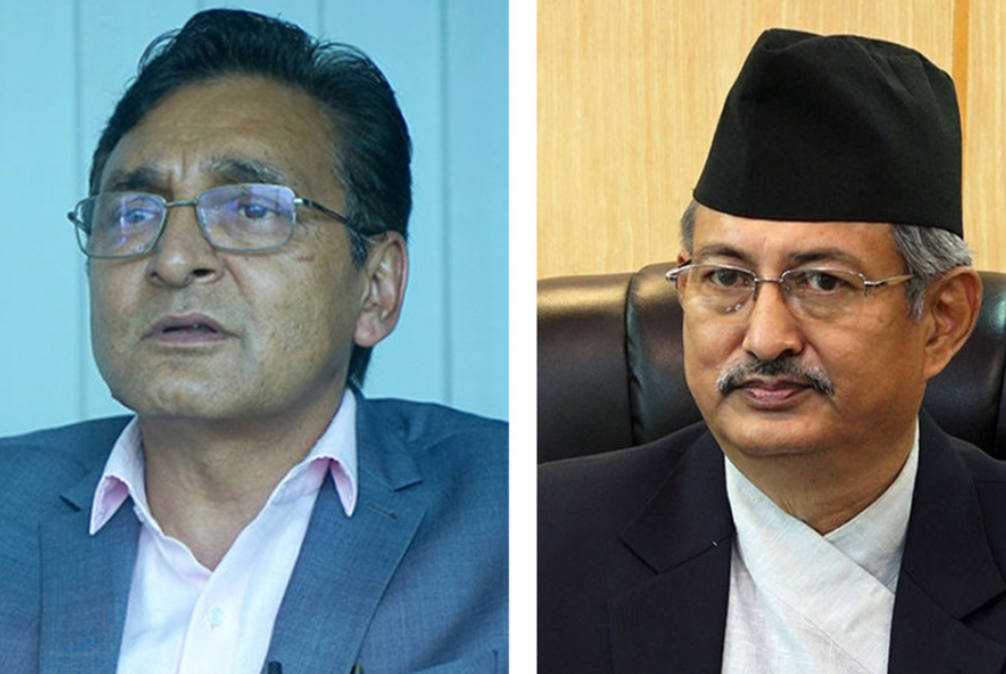
Former Deputy Prime Minister and Energy Minister Top Bahadur Rayamajhi received the harshest sentence of four years imprisonment, having been found guilty of offences against the state, fraud, and involvement in organised crime. Former Home Minister Bal Krishna Khand, meanwhile, was sentenced to two years as an accomplice to the scheme. Both men had previously denied involvement in the scam through their legal representatives, with Rayamajhi's lawyer asserting that his client was "never involved in policy making for the refugees" and announcing intentions to challenge the conviction.
The case underscores vulnerabilities within Nepal's resettlement and immigration oversight systems, where the nexus between political actors and bureaucratic gatekeepers apparently enabled systematic document falsification. Among the fourteen additional defendants were a former senior administrator within the Home Ministry and a previously prominent leader among the Bhutanese refugee community, each receiving sentences of up to four years. The involvement of individuals positioned within both governmental structures and refugee leadership circles suggests the scheme operated through multiple institutional access points.
The broader context illuminates why this particular fraud carries such significance for Nepal and regional observers. Beginning in the early 1990s, approximately 120,000 Bhutanese nationals of Nepali ethnicity fled Bhutan and sought asylum across the border in Nepal, driven by demands for expanded political freedoms within Bhutan's Buddhist-majority society of fewer than 800,000 people. This exodus represented one of South Asia's most substantial displacement episodes, creating a protracted refugee situation that neither Kathmandu nor Thimphu proved willing or able to resolve through negotiated repatriation agreements.
The international community's response institutionalised the refugee population within Nepal through third-country resettlement arrangements. Nearly 113,000 individuals from the camps have been absorbed into Western nations including the United States, Canada, and Australia through formal resettlement programmes. The United States alone accepted approximately 100,000 Bhutanese refugees from Nepali camps, making it the primary destination for resettled populations. These figures represent a substantial commitment of resources and processing capacity by receiving nations, making the fraudulent manipulation of this system particularly egregious from an international perspective.
Thousands of Bhutanese-origin Nepali nationals remain encamped in eastern Nepal, their legal status unresolved and their aspirations to return to Bhutan unrealised. While this ongoing situation reflects broader regional geopolitical complications, the refugee fraud prosecution illustrates how domestic political actors within Nepal exploited vulnerable populations and international goodwill for personal benefit. Officials allegedly facilitated false Nepali-origin individuals' entry into resettlement pipelines, fundamentally undermining the integrity of systems designed to protect genuinely displaced persons.
The timing of these convictions cannot be separated from Nepal's broader political trajectory. Last September, anti-corruption protests led by Gen Z activists claimed 76 lives and precipitated the collapse of the previous government—a dramatic illustration of younger Nepali citizens' willingness to demand accountability for institutional malfeasance. These protests created sufficient political momentum to enable the election of a new administration headed by Balendra Shah, a 36-year-old former rapper-turned-politician, who secured his mandate partly through pledges to dismantle corrupt practices embedded within previous administrations.
Shah's government, buttressed by youth-backed anti-corruption sentiment, has positioned these convictions as evidence of its commitment to pursuing high-profile cases regardless of defendants' former status. The prosecution of ex-ministers signals potential willingness to hold senior figures accountable—a departure from patterns where elite immunity historically protected former governmental officials from serious consequences. For Malaysian observers, the case illustrates how sustained youth-led anti-corruption movements can produce institutional pressure sufficient to overcome traditional protections shielding senior political figures from prosecution.
However, the appeals filed by both former ministers ensure continued litigation. Rayamajhi's legal team contests the foundational claims regarding his policy involvement, suggesting the conviction may face substantive procedural challenges. Khand's defence similarly indicated intentions to contest the verdict through appellate mechanisms. These appeals processes could extend the case across months or years, potentially complicating the new government's anti-corruption narrative if convictions are overturned or substantially reduced.
The refugee fraud prosecution also intersects with Nepal's broader positioning within South Asian geopolitics. The Bhutanese displacement, resettlement mechanisms, and attempts to exploit these systems all emerge from the complex regional relationship between Kathmandu and Thimphu. While international resettlement addressed immediate humanitarian concerns, fraudulent manipulation of these channels damages Nepal's diplomatic credibility and suggests inadequate internal oversight within refugee processing systems. Regional states, including those in Southeast Asia managing their own refugee and displacement situations, may view the case as cautionary regarding vulnerabilities within third-country resettlement arrangements.
From a Southeast Asian perspective, Nepal's prosecution of refugee fraud offers limited but important lessons. The case demonstrates that institutional attempts to exploit humanitarian resettlement mechanisms do occur, potentially at scales affecting processing capacity and priorities within international resettlement systems. For nations like Malaysia managing significant refugee and stateless populations, the Nepali example underscores the imperative for robust document verification, multi-institutional oversight, and mechanisms preventing bureaucratic actors from facilitating fraudulent claims. The convergence of political will (through Shah's new administration) and public pressure (from anti-corruption protests) enabled prosecutions that might otherwise have remained dormant—a dynamic potentially instructive for other South and Southeast Asian states confronting institutional corruption.
While the immediate convictions represent a significant victory for Nepal's anti-corruption agenda, the broader implications extend to international resettlement systems' integrity and regional stability. The fraudulent scheme exploited both the vulnerability of genuine refugees and international goodwill extended through formal humanitarian programmes. As the case progresses through appeals, Nepal's capacity to sustain prosecutions against elite defendants will become clearer—with consequences extending beyond individual justice to shape expectations regarding governmental accountability across South Asia.

