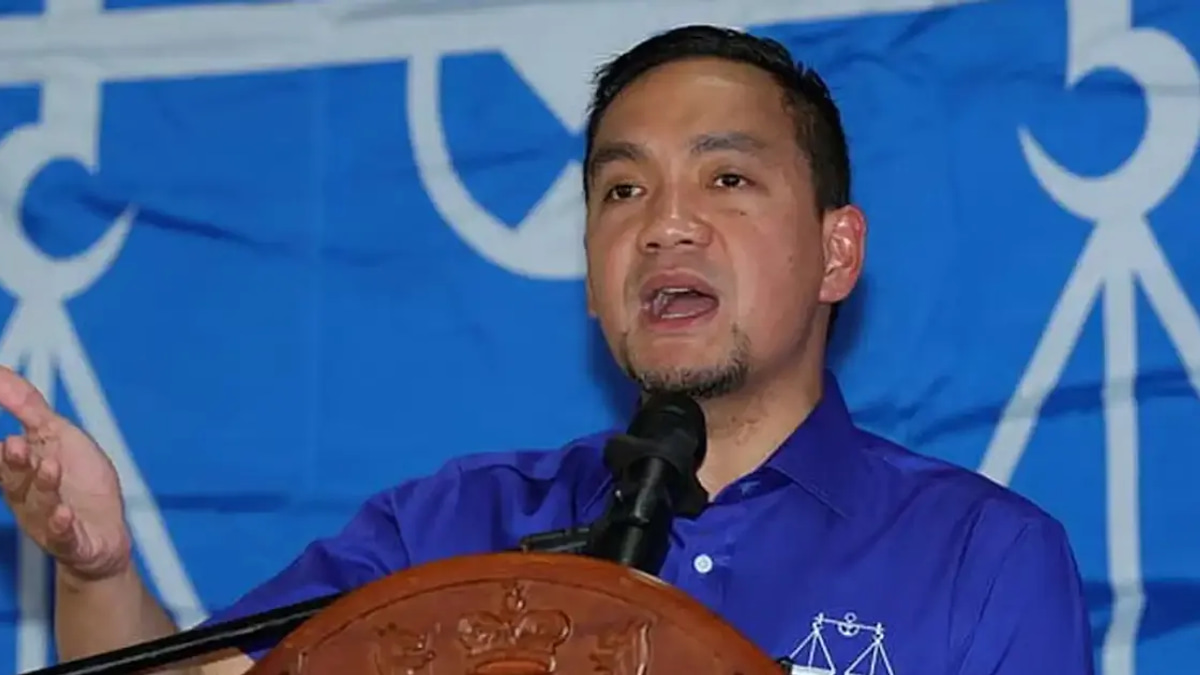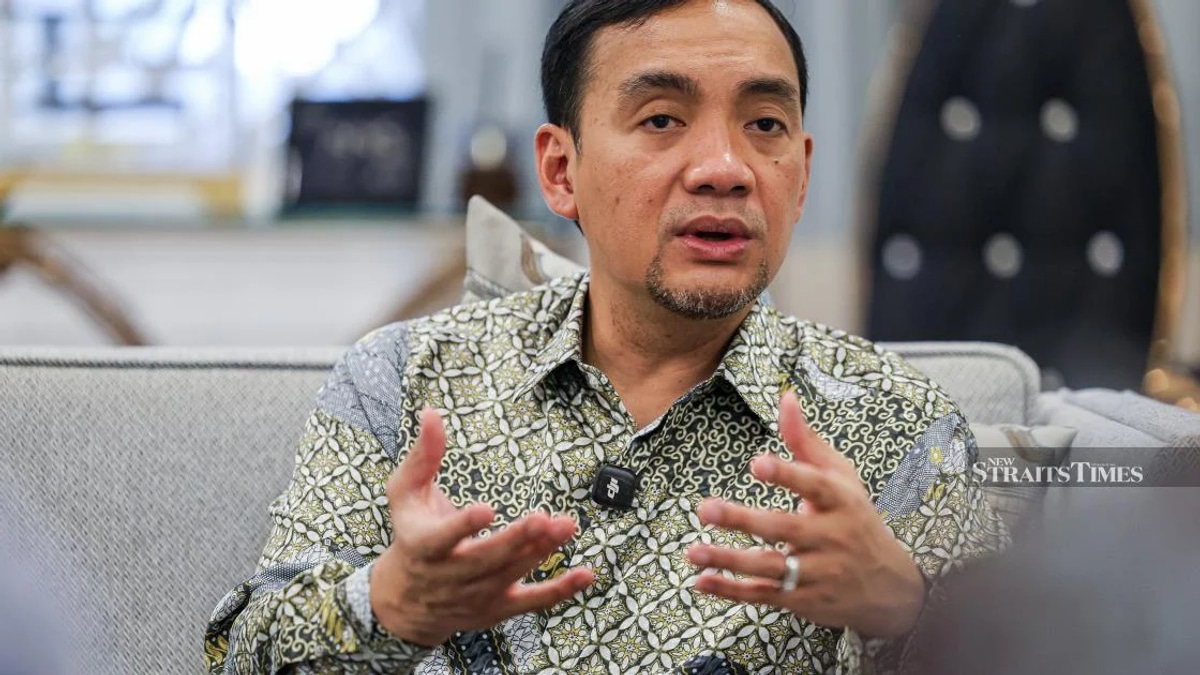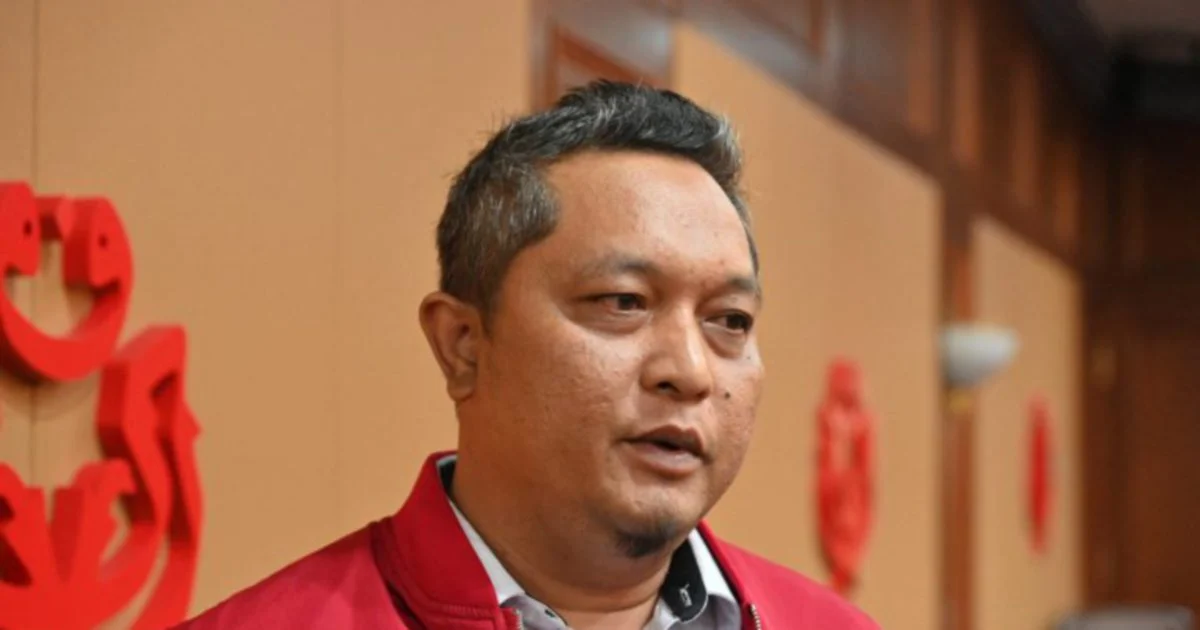
The Umno Youth wing in Negeri Sembilan has mounted a robust defence of a prominent party figure against insinuations of political disloyalty, arguing that any such defection would have occurred much earlier if it were genuinely contemplated. The youth leaders contend that the individual in question has consistently demonstrated commitment to the party despite encountering significant challenges and opportunities to depart, particularly during the tumultuous 2023 political season when the party faced considerable internal and external pressures. Their statement underscores a broader pattern of protection that party members extend toward colleagues facing speculation about their future political allegiances.
The timing of this defence is significant within Malaysia's volatile political landscape, where shifting coalitions and strategic realignments have become increasingly common occurrences. Throughout 2023, Umno navigated a particularly complex period marked by internal consolidation efforts and national political reconfiguration following the 2022 general elections. The year witnessed numerous high-profile movements between coalitions and changes in party affiliations, creating an environment where loyalty questions naturally surfaced regarding key party members. Against this backdrop, Negeri Sembilan Umno Youth's invocation of the 2023 benchmark carries particular weight, as it references a period when defection would have been far easier and potentially more beneficial for any member contemplating departure.
The defence mechanism employed by Umno Youth reveals important dynamics within Malaysia's ruling party regarding internal cohesion and the management of loyalty narratives. Rather than offering point-by-point rebuttals of specific allegations, the youth leaders adopted a structural argument: that the absence of departure during an obviously critical juncture essentially disproves any current defection speculation. This approach reflects a confidence in the party member's demonstrated reliability whilst simultaneously signalling to other Umno figures that loyalty during difficult periods carries significant internal recognition and protection. Such gestures function as important currency within party hierarchies, where retrospective validation of past steadfastness serves multiple contemporary purposes.
Negeri Sembilan holds particular strategic importance within Umno's broader organisational structure and electoral calculations. The state, whilst not commanding the numerical weight of Selangor or Johor, maintains influence disproportionate to its parliamentary representation owing to its position within the federal system and its traditional role as a bellwether for elite consensus within the party. Umno Youth's intervention in defending a prominent figure from the state signals that party leadership remains attuned to potential factional pressures and is prepared to publicly reinforce the cohesion narrative. This proactive stance also subtly communicates to other potential critics that questioning senior members' loyalty will encounter organised institutional responses.
The reference to 2023 as the critical test point merits deeper examination. That year represented a nadir for some Malaysian political figures and a moment of radical reassessment for party members across the spectrum. Umno itself underwent significant repositioning, ultimately consolidating its coalition arrangements and reinforcing its position within the broader federal structure. Members who maintained their allegiances during this period of uncertainty and transition faced considerable tests of commitment. By highlighting this year explicitly, Negeri Sembilan Umno Youth implicitly argues that loyalty proven under genuine duress possesses far greater credibility than any assurances offered during calmer periods.
The mechanics of political speculation in Malaysia often rely on information vacuums and ambient anxieties about shifting allegiances. When senior figures remain relatively quiet or maintain lower public profiles, observers frequently interpret this as potential positioning for alternative arrangements. Umno Youth's preemptive statement directly counters this interpretative tendency by establishing an alternative narrative: that longevity and demonstrated resilience during crisis periods constitute far more reliable indicators of political intention than contemporary rumour and speculation. This represents a deliberate attempt to reframe the terms through which political loyalty claims should be evaluated.
The statement also reflects generational dynamics within Umno, with youth wings increasingly positioning themselves as custodians of party virtue and defenders against external scepticism. Young leaders who champion senior figures' loyalty effectively accumulate political capital whilst simultaneously demonstrating organisational strength. This dynamic enriches the complexity of the defence beyond simple factual dispute into a more nuanced claim about the relationship between demonstrated behaviour over extended periods and present-day reliability.
Broader implications for Malaysian politics emerge from such exchanges. They suggest that despite ongoing coalition flux and occasional high-profile defections, Umno retains sufficient internal mechanisms to manage and defend its senior cohort against loyalty questions. The party's demonstrated capacity to mobilise institutional responses also indicates relatively stable internal discipline and alignment between party wings on core messages regarding senior member reliability. This stability may prove more significant for national political calculations than individual defection rumours, particularly as Malaysia continues navigating its complex federal coalition arrangements.
Looking forward, such public defences establish important precedent regarding how Umno responds to emerging challenges to its internal cohesion. Whether the tactic proves effective depends substantially on whether subsequent political developments vindicate the youth wing's confidence in the individual's continued loyalty. Conversely, if defection were to occur despite such robust institutional defence, it would significantly undermine Umno Youth's credibility on future loyalty assessments. The political stakes embedded in such statements thus extend well beyond the immediate circumstances prompting them, affecting how party institutions and external observers evaluate subsequent claims about member reliability and party cohesion more broadly.