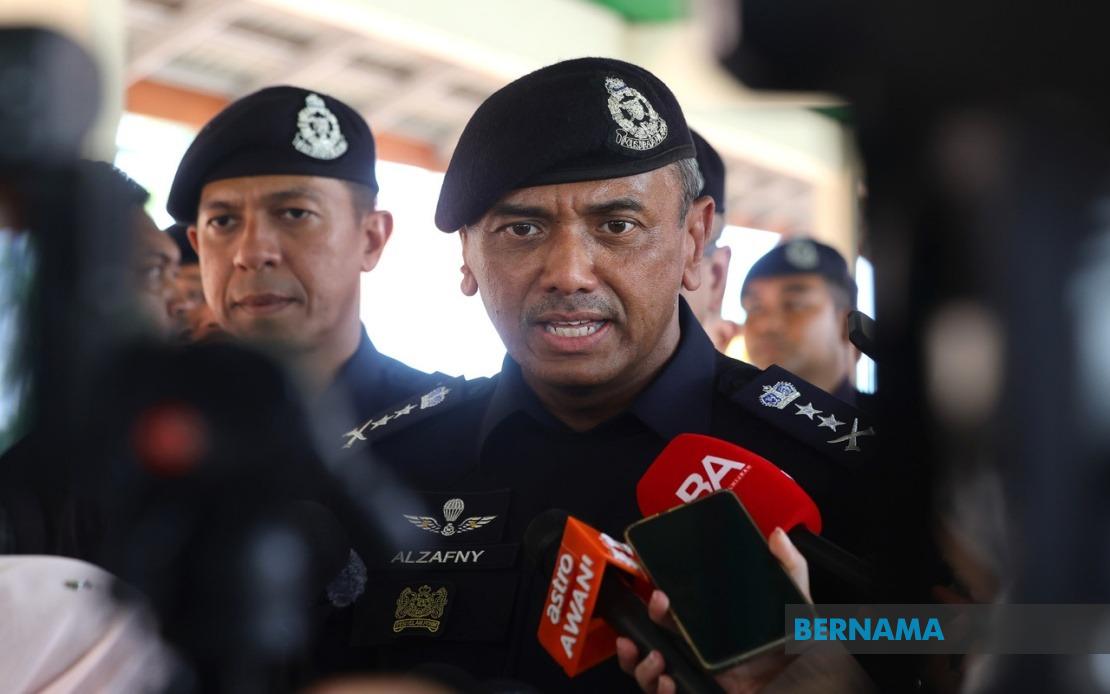
The nomination process for the 16th Negeri Sembilan state election unfolded without complications on July 18, with police confirming that operations at all eight designation centres proceeded in an orderly fashion. State police chief Datuk Alzafny Ahmad reported that the entire morning-to-noon exercise maintained a controlled environment, as party representatives and their supporters demonstrated compliance with security protocols established by law enforcement authorities.
Turnout at individual nomination venues reflected varying levels of party mobilisation across the state's electoral divisions. Jempol emerged as the focal point of activity, drawing approximately 2,500 supporters from competing parties, whilst Kuala Pilah registered the lowest attendance with around 1,000 participants. The remaining six centres recorded voter engagement figures between these parameters, reflecting the geographical spread and demographic considerations that characterise Negeri Sembilan's electoral landscape. This variance in supporter attendance provides preliminary indication of party organisational strength in different constituencies ahead of the August 1 polling day.
The security operation deployed to oversee the nomination proceedings represented a substantial commitment of police resources. A total of 2,373 officers and personnel were stationed across the eight nomination centres to maintain order, facilitate crowd management, and oversee traffic arrangements in surrounding areas. This comprehensive deployment underscores the importance Malaysian authorities place on ensuring electoral processes operate smoothly and securely, particularly given the heightened activity associated with nomination exercises when party supporters congregate in significant numbers.
Beyond logistical management, police leadership took the opportunity to establish clear parameters for acceptable campaign conduct during the election period. Datuk Alzafny Ahmad issued explicit guidance directing all candidates to refrain from introducing sensitive content into their campaign messaging, specifically cautioning against rhetoric touching upon the 3Rs—religion, royalty, and race. This preventive approach reflects longstanding Malaysian electoral practice designed to protect social harmony by discouraging political speech that could exacerbate communal tensions or inflame existing divisions.
The emphasis on avoiding provocative messaging extended to broader considerations of public order and social stability. Police guidance encouraged contesting parties to concentrate their campaign efforts on articulating substantive policy platforms and highlighting organisational strengths rather than deploying rhetoric that could provoke public anxiety or generate discord among different demographic groups. This framing positions electoral competition within a framework prioritising collective social welfare alongside competitive political expression.
Candidates received additional reminders regarding compliance with seemingly routine but consequential regulations governing campaign activities. Police specifically highlighted the requirement for motorcycle riders to wear protective helmets whilst conducting campaign activities in villages and residential areas. Though ostensibly administrative in nature, such directives reflect comprehensive police oversight extending beyond political messaging to encompass all dimensions of campaign operations, demonstrating integrated enforcement of electoral regulations throughout the campaign period.
The Election Commission and police have established joint monitoring mechanisms specifically designed to track compliance with campaign regulations throughout the electoral cycle. These collaborative oversight structures represent institutional coordination between different government agencies to maintain consistent enforcement of electoral standards. The establishment of multiple monitoring teams reflects acknowledgment that comprehensive coverage requires distributed enforcement capacity across Negeri Sembilan's diverse constituencies and administrative divisions.
The timeline established for the electoral process provides candidates and voters with a structured sequence of events. Early voting takes place on July 28, offering registered voters an opportunity to cast ballots prior to the main polling exercise. The general election proceeds on August 1, representing the culmination of campaign activities and the formal expression of voter preferences across all state constituencies. This sequential timeline compresses the campaign period into a focused two-week window, requiring rapid mobilisation of party resources and voter engagement strategies.
The smooth execution of the nomination process carries implications for electoral administrators' confidence in conducting subsequent stages of the election without disruption. The absence of untoward incidents suggests that established security protocols and crowd management procedures functioned effectively, providing evidence that similar mechanisms should perform adequately during the more significant polling day operations when substantially larger numbers of voters participate. This successful nomination day provides baseline assurance that institutional capacity exists to manage the logistical and security challenges associated with multi-centre voting operations.
For Malaysian voters observing these electoral developments, the emphasis on orderly process and regulated campaign conduct reflects institutional commitment to structured democratic competition. The combination of robust security presence, clear guidance regarding acceptable political speech, and joint enforcement mechanisms demonstrates effort to create electoral environment where competitive political expression occurs within clearly defined boundaries protecting broader societal interests. This approach characterises how Malaysia attempts to balance democratic participation with maintenance of social cohesion across its diverse population.

