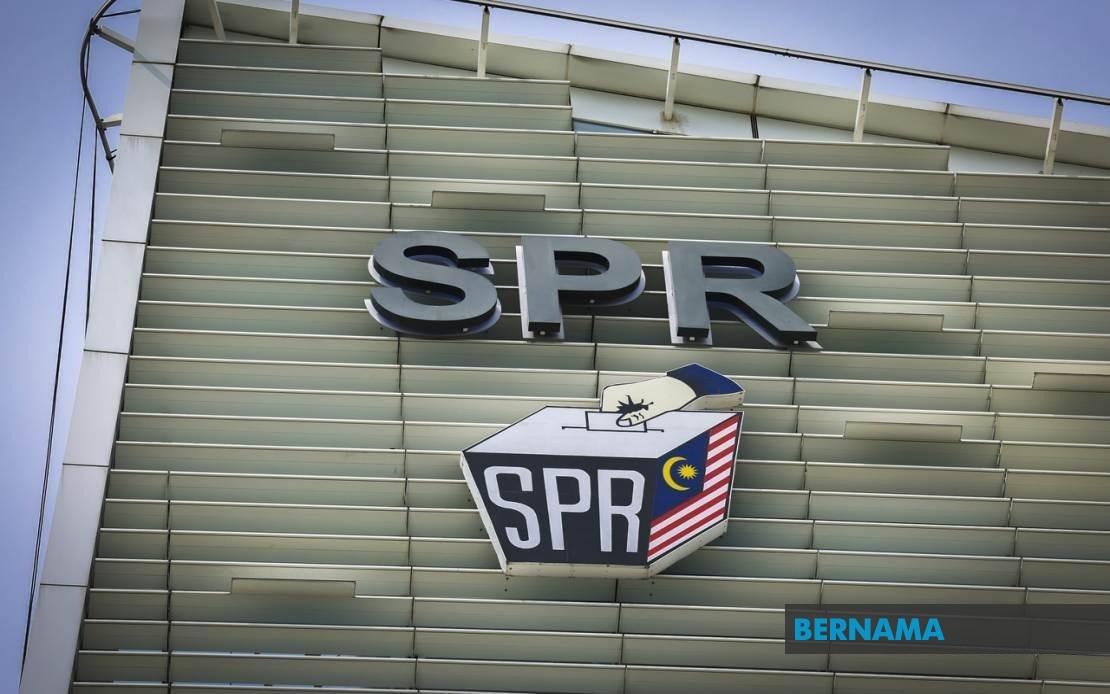
The race to control Negeri Sembilan's state assembly intensifies tomorrow when nomination day marks the formal launch of a two-week campaign for the 36 state seats. Eight nomination centres across the state will see prospective candidates file their papers between 9 am and 10 am before returning officers announce the final roster of candidates authorised to contest. The Election Commission has scheduled polling day for August 1, with an early voting session set for July 28.
Nearly 890,000 voters in Negeri Sembilan hold the power to reshape the state's political direction. The eligible electorate comprises 867,151 ordinary voters alongside 16,884 military personnel and their spouses and 5,455 police personnel and their spouses. This diverse voter base will determine which coalition maintains or seizes control of the state government, with implications extending across Malaysia's central region.
Pakatan Harapan has committed to contesting all 36 seats, distributing candidates across three component parties: 16 from PKR, 11 from DAP and nine from Amanah. This comprehensive approach signals the coalition's determination to defend its 2023 performance when it captured 17 seats, establishing itself as the dominant force in the state legislature. The breadth of PH's candidacy suggests confidence in defending its current advantage while potentially expanding representation.
Barisan Nasional, seeking to reclaim ground lost in the previous election, will field 25 candidates drawn from UMNO's 16 nominees, MCA's seven and MIC's two. The reduced scale of BN's challenge compared to PH's full slate reflects the coalition's more selective approach, focusing resources on winnable constituencies rather than contesting every seat. In 2023, BN managed to secure 14 seats despite its apparent structural disadvantage, and hopes to improve this tally through targeted campaigning.
Perikatan Nasional's participation remains fractured, with component parties pursuing divergent strategies. PN itself will contest 11 seats through an alliance of PAS with five candidates, one from Gerakan, one from the Malaysian Indian People's Party and four from Parti Wawasan Negara, a newcomer making its electoral debut. Meanwhile, Bersatu, technically a PN member, will contest independently under its own logo, unveiling its candidate list separately. This internal division within PN complicates the coalition's message and could fragment the opposition vote across multiple banners. PN captured five seats in 2023, and fragmentation may hinder its ability to improve substantially on that result.
Beyond the three major coalitions, a scattered array of smaller parties will contest limited seats. Parti Orang Asli Malaysia and Parti Sosialis Malaysia will each field a single candidate, whilst Parti Barisan Jemaah Islamiah Se-Malaysia is preparing seven candidates. Conversely, MUDA, Pejuang and Bersama have confirmed non-participation, suggesting these parties are either focusing resources elsewhere or lack organisational capacity in Negeri Sembilan. The presence of multiple micro-parties may complicate vote distribution and create unpredictable outcomes in closely contested constituencies.
The Negeri Sembilan State Legislative Assembly's dissolution on June 5 following consent from Tuanku Muhriz Tuanku Munawir set the electoral process in motion. The timing reflects constitutional requirements and political developments at the state level, though the triggers and background to the dissolution remain significant context for understanding the current contest. The 14-day campaign window from nomination day through August 1 provides parties with two weeks to mobilise supporters, deliver their messages and seek voter backing across the 36 constituencies.
Election Commission officials have provided practical guidance to prospective candidates, recommending they conduct advance checks of nomination papers with returning officers to ensure smooth submission on nomination day. Candidates are also encouraged to settle election deposits early and bring payment receipts as proof, streamlining the formal nomination process. These procedural steps, whilst routine, reflect the EC's effort to maintain orderly conduct and reduce complications that could invalidate candidacies or delay the announcement of final candidate lists.
Weather forecasts for nomination day present mixed conditions, with the Malaysian Meteorological Department predicting generally fair weather across most of Negeri Sembilan on Saturday morning. However, Port Dickson and Seremban face rain prospects, whilst afternoon thunderstorms are expected statewide. These weather patterns, though not unprecedented for the season, may influence candidate turnout and logistics at nomination centres, particularly in affected areas where transport or visibility could be compromised.
The 2023 results establish the benchmark against which this election will be measured. Pakatan Harapan's 17-seat majority positioned it as the dominant political force, yet its control remains vulnerable to any swing toward BN's 14 seats or consolidation of PN's five. The thin margins in several constituencies and the potential for vote-splitting through micro-party candidacies create genuine uncertainty about the final composition of the 16th state assembly. For Malaysian observers and regional commentators, the Negeri Sembilan contest serves as a bellwether for broader political trends, testing the durability of coalitions and the endurance of voter support across Malaysia's diverse demographics.

