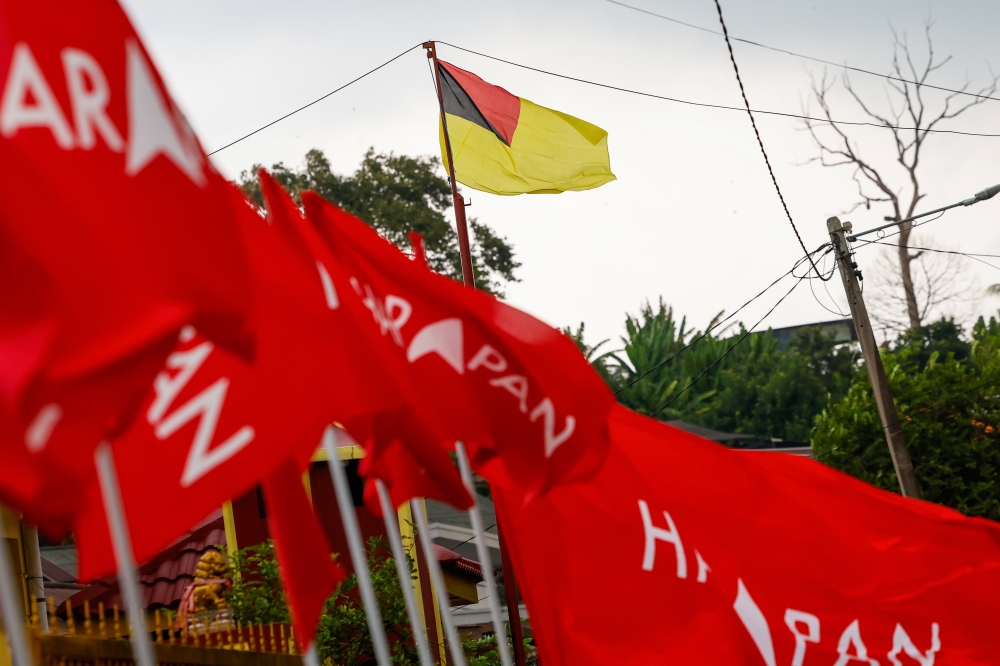
The Royal Malaysia Police contingent in Negeri Sembilan has initiated dual investigation files concerning property destruction allegedly tied to election campaign misconduct, marking an escalation in official oversight of activities surrounding the current electoral cycle. The move underscores growing concerns among authorities about the maintenance of public order and respect for property rights during politically charged periods.
Property damage incidents during election campaigns have become an increasingly visible concern across Malaysian states, reflecting broader tensions between political supporters seeking to promote their candidates and community expectations of civility. These investigations in Negeri Sembilan fit a pattern observed nationwide where campaign periods occasionally witness unwanted incidents that law enforcement must address through formal inquiries.
The decision to establish separate investigation files suggests the police have identified distinct incidents rather than a single coordinated event. This approach allows investigators to examine each case on its own merits while potentially identifying whether common actors, motivations, or patterns link the separate occurrences. The distinction is administratively significant because it enables police to pursue parallel lines of inquiry and allocate investigative resources more efficiently.
Property damage during elections raises particular concerns because it can intimidate voters, damage public infrastructure, or harm the property of private citizens who may feel pressured to abandon political neutrality. Such incidents also undermine the democratic process by introducing elements of intimidation or nuisance into what should be a peaceful exercise of political choice. Malaysian law enforcement has become increasingly attentive to protecting the integrity of electoral activities and the rights of all citizens to participate without fear or disruption.
The Negeri Sembilan cases reflect a broader challenge facing electoral management in Malaysia: how to permit robust campaign activities while simultaneously maintaining public order and protecting community assets. Political parties argue that visible, energetic campaigns are essential to reaching voters, while residents and property owners expect protection from unwanted damage or harassment. Police investigators must navigate this tension by distinguishing between legitimate campaign expression and unlawful conduct that crosses legal boundaries.
Local authorities in Negeri Sembilan have not released detailed information about the nature or extent of the property damage under investigation. Such discretion is standard practice during ongoing inquiries to avoid prejudicing investigations or exposing investigative techniques. However, the decision to open formal cases signals that police believe sufficient evidence exists to warrant serious investigation rather than dismissal as minor incidents.
The timing of these investigations matters significantly for understanding the electoral landscape in Negeri Sembilan. Election campaigns generate heightened political activity and increased passion among supporters, sometimes leading individuals to engage in behaviour they might otherwise avoid. The presence of multiple incidents during a campaign period suggests either that campaign intensity has created conditions conducive to misconduct, or that heightened police attention during electoral seasons catches violations that might otherwise escape notice.
Previous election cycles across Malaysia have occasionally witnessed similar incidents ranging from vandalism of opposition billboards to damage to public property bearing campaign messages. While such occurrences are typically isolated and do not represent mainstream party behaviour, they receive law enforcement attention because they establish precedent and signal to communities whether such conduct carries consequences. Robust investigation of property damage cases sends a message that election campaign activities must respect legal boundaries.
For residents and property owners in Negeri Sembilan, these investigations may provide reassurance that authorities are taking concerns about protection seriously. During election periods, some community members worry that campaign-related activities might create vulnerabilities, particularly if rival groups engage in tit-for-tat property damage. Police investigations, even when resulting in modest penalties, demonstrate that mechanisms exist to document and address such violations.
The investigation process itself typically involves gathering evidence including photographs or video documentation of damage, witness statements from affected property owners or nearby residents, and potentially forensic analysis if applicable. Investigators may also review campaign schedules to identify which political actors were active in affected areas at relevant times, though correlation does not automatically establish causation and investigators must maintain objectivity throughout their inquiries.
These cases also reflect evolving standards around campaign conduct across Southeast Asia more broadly. As democracies in the region mature, expectations increase that political competition should remain primarily focused on persuasion through messaging and policy advocacy rather than intimidation, harassment, or property destruction. Malaysia's experience parallels developments in neighbouring countries where election management authorities have similarly struggled to preserve order while permitting vigorous campaigning.
The outcomes of Negeri Sembilan police investigations will likely influence how future campaigns unfold in the state. If investigations conclude successfully and lead to charges or convictions, the legal precedent may deter similar conduct in subsequent elections. Conversely, if investigations stall or produce insufficient evidence for prosecution, incidents may proliferate as potential actors perceive reduced enforcement risk. These dynamics shape not only individual behaviour but also broader community perceptions about the quality of electoral administration.
Moving forward, the Negeri Sembilan cases may prompt discussions among election management officials, law enforcement agencies, and political parties about establishing clearer guidelines and expectations for campaign conduct. Collaborative approaches involving all stakeholders have proven effective in other jurisdictions for maintaining order while permitting political expression. As investigations proceed, Malaysian authorities will likely monitor outcomes closely for insights applicable to election management strategies elsewhere in the country.

