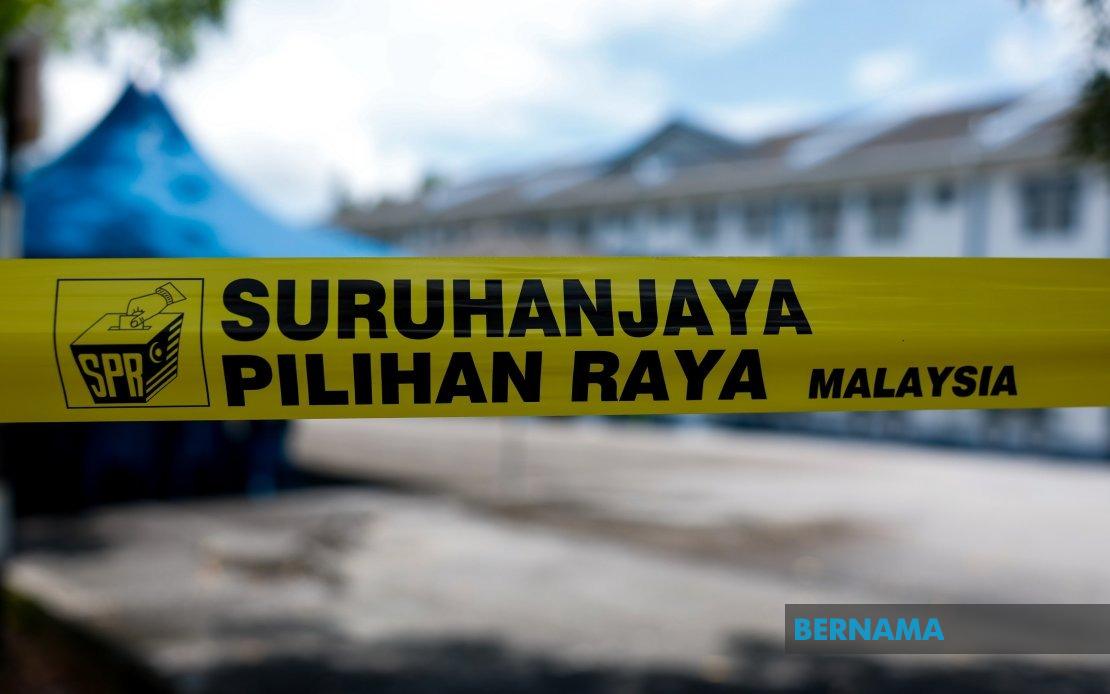
Authorities in Negeri Sembilan have begun investigating seven cases involving offences linked to the state's ongoing election campaign, signalling an intensifying enforcement effort as the 16th Negeri Sembilan state election draws closer. Negeri Sembilan Police Chief Datuk Alzafny Ahmad disclosed the cases on July 23, indicating that law enforcement agencies are actively monitoring political activities across the state to maintain order during what has become a critical electoral period.
Two of the seven investigation files were just initiated, each concerning violations under Section 427 of the Penal Code, which addresses mischief that results in property damage or loss. This particular statute carries significant implications for political campaigners and supporters, as it covers deliberate acts that harm campaign materials, billboards, or other assets. The focus on property-related offences suggests that authorities are witnessing escalating tensions between competing political camps, with vandalism and destruction of campaign materials appearing as a recurring flashpoint during the polling season.
The broader context reveals a notable volume of election-related complaints. Between July 18 and 22, police received a cumulative total of 12 reports concerning various election offences across Negeri Sembilan. This five-day snapshot provides insight into the pattern of alleged violations occurring during the campaign period. While twelve reports across a state may seem modest in absolute terms, the concentration within such a compressed timeframe underscores the heightened volatility that typically accompanies election campaigns, where tempers run high and partisan enthusiasm can occasionally spill into unlawful conduct.
Parallel to enforcement activities, the state police contingent has processed an expanding volume of permit applications for political events. On the single day when Alzafny issued his statement, authorities approved 53 applications for political ceramahs and campaign activities. This brings the cumulative approved permit total to 226 since the campaign commenced. The brisk approval rate reflects the substantial scale of grassroots political mobilisation underway in Negeri Sembilan, with parties and candidates organising numerous public meetings and engagement activities to reach voters across the state's constituencies.
The police administration has framed its role as a facilitator of lawful democratic expression while simultaneously acting as a guardian of public order. Alzafny emphasised that all political programmes and associated activities undergo continuous scrutiny to ensure compliance with applicable legislation and to safeguard community safety. This dual mandate requires police to balance the right of political parties to campaign openly with the imperative to prevent disorder and protect ordinary citizens from disruption. The statement indicates that this monitoring function extends across the full spectrum of campaign operations, from large-scale rallies to smaller community engagements.
Enforcement capacity appears set to remain heightened throughout the remainder of the campaign season. Police have committed to sustained vigilance and enhanced preparedness measures, with explicit warnings that legal violations will face firm consequences. This commitment to strict enforcement provides a degree of deterrence, signalling to campaigners and supporters alike that the authorities will not tolerate transgressions. For election observers and civil society actors concerned with the integrity of the electoral process, this posture offers reassurance that mechanisms exist to address lawlessness, even if effective prevention remains elusive.
The Election Commission has established a clear electoral calendar that structures the final phase of campaigning. Early voting has been scheduled for July 28, while election day is fixed for August 1. This compressed timeframe means that the intensity of political activity will likely accelerate further in the coming days, as candidates and parties escalate their voter outreach efforts in the approach to the polling dates. The narrowing window between the police statement and the actual vote creates particular pressure for all stakeholders to resolve outstanding tensions and conclude their campaigns without further disruption.
Alzafny's appeal to the public represents a standard institutional request for compliance and cooperation. However, such appeals carry added weight during election periods, when social divisions may become more pronounced and when the stakes of political outcomes feel especially significant to participants and supporters. By invoking respect for democratic processes and asking citizens to cooperate with police, Alzafny attempted to frame lawful conduct not merely as legal compliance but as a civic responsibility essential to preserving the integrity of democratic institutions.
For Negeri Sembilan voters and residents, the enforcement activity visible in police statements carries multiple implications. On one hand, it demonstrates that authorities are attending seriously to election-related misconduct and taking reports from the public. On the other hand, the volume of violations reported and investigated may prompt concern about the prevailing climate of political contestation and whether underlying grievances or tensions risk festering beneath the surface of electoral competition. The transition from enforcement messaging to voting behaviour will ultimately determine whether the police activity succeeds in channelling political passion into orderly democratic participation or whether deeper divisions continue to manifest despite official efforts at containment.

