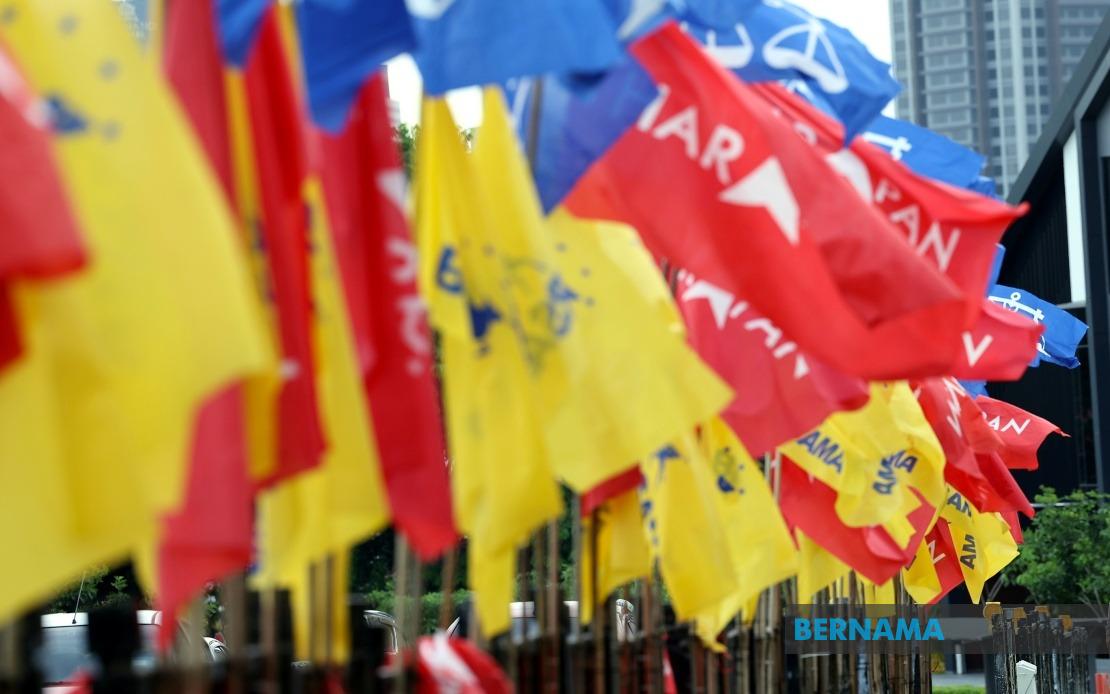
The Negeri Sembilan police force has authorised 19 permit applications for ceramah sessions and political campaigning activities submitted ahead of the 16th Negeri Sembilan State Election, marking another procedural milestone in the state's electoral preparations. Datuk Alzafny Ahmad, the Negeri Sembilan police chief, confirmed the approvals on July 19 after verifying that all submitted applications satisfied the prescribed conditions and regulatory benchmarks established by state election authorities.
The approval process reflects the established protocol whereby political parties and candidates must obtain police clearance before conducting public campaign rallies and voter engagement programmes. These events, commonly known as ceramah, form a cornerstone of Malaysian electoral campaigning, allowing candidates and party representatives direct engagement with constituents. The vetting process ensures organisers have adequately addressed security considerations, logistical arrangements, and public safety measures before gatherings proceed.
Although the approvals have been granted, Alzafny underscored that police would maintain continuous oversight throughout the campaign period to guarantee compliance with electoral legislation and prevent activities that might disrupt social harmony or compromise community safety. This dual approach—facilitating democratic participation while enforcing regulatory boundaries—represents standard police practice during election periods across Malaysia, balancing citizens' rights to political expression against potential risks of disorder or legal breaches.
The overall security environment in Negeri Sembilan has remained stable throughout the early campaign phase, according to police assessment. A single police report has been registered since campaigning commenced, though no formal investigation files concerning election-related offences have been initiated. This relatively quiet backdrop suggests that candidates and supporters have largely adhered to electoral conduct guidelines and behaved responsibly during preliminary campaign activities.
Police announced their commitment to intensifying preparedness measures, surveillance protocols, and enforcement mechanisms as the election schedule progresses toward polling day. Alzafny stated explicitly that any breach of electoral law or associated statutes would encounter decisive police action characterised by consistency, impartiality, and professional standards, with no allowance for selective application or compromise. This messaging serves to signal both political actors and the general public that election conduct will be held to standardised legal requirements.
The Negeri Sembilan state assembly dissolution on June 5 triggered the electoral cycle, with the Election Commission subsequently announcing early voting for July 28 and general polling for August 1. The 36-seat legislative chamber will be contested during this cycle, making this a significant political event for the state's governance structure. The condensed timeline between dissolution and polling day—approximately two months—compresses the campaign period and increases intensity of political activity across constituencies.
For Malaysian observers and Southeast Asian political analysts, the Negeri Sembilan election carries broader implications regarding electoral management capacity and internal democratic health. Regular state elections demonstrate Malaysia's functioning democratic institutions, though they also provide windows into interparty competition dynamics, voter sentiment shifts, and institutional resilience. The police coordination with electoral authorities reflects the institutional cooperation necessary for elections to proceed without disruption, a prerequisite for democratic legitimacy.
The ceramah tradition itself warrants contextual understanding for international or newer observers unfamiliar with Malaysian electoral customs. These public rallies represent informal but important campaign mechanisms through which candidates communicate platforms, address community concerns, and mobilise supporter networks. Unlike formal media channels, ceramah allow spontaneous dialogue and direct audience participation, lending them particular weight in Malaysian political culture. Police management of such gatherings therefore carries significance beyond mere security administration, touching upon democratic expression facilitation.
Datuk Alzafny's appeal to citizens emphasising legal compliance, respect for democratic processes, and cooperation with law enforcement personnel reflects standard police communication during election periods. These appeals attempt to cultivate civic consciousness and encourage voluntary adherence to electoral norms before enforcement becomes necessary. Public messaging that emphasises shared responsibility for peaceful elections can reinforce community investment in orderly political transitions and reduce confrontational dynamics between state institutions and political actors.
The relatively smooth approval process and low incident rate to date suggest that Negeri Sembilan's political stakeholders are operating within established democratic frameworks without major friction. However, the approaching campaign intensification may test this stability, particularly if key constituencies develop competitive tension or if grassroots mobilisation efforts escalate. Police readiness to enhance monitoring reflects awareness that electoral periods can present unpredictable flashpoints requiring adaptive institutional responses.
For voters and candidates throughout Negeri Sembilan, the police approval of campaign permits and institutional preparedness provides procedural confidence that the election will proceed according to established rules and timelines. This institutional predictability matters for voter confidence, candidate participation willingness, and overall democratic legitimacy. When electoral systems function transparently and consistently apply regulations, they strengthen public trust in governance outcomes and peaceful power transitions.

