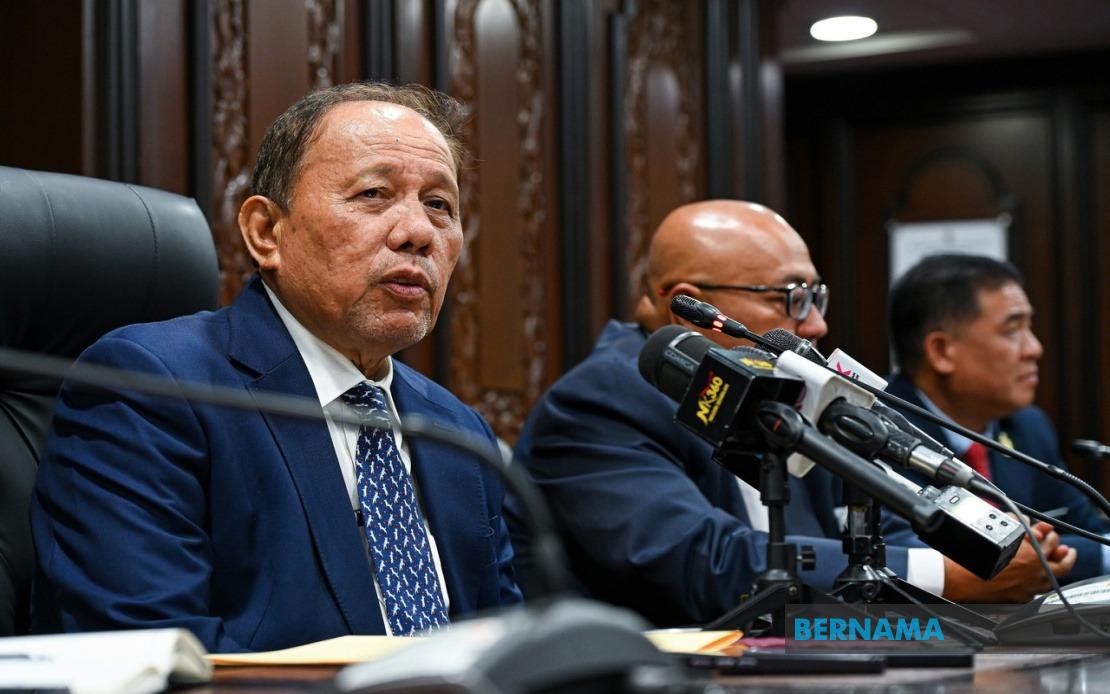
Negeri Sembilan's Menteri Besar Datuk Ismail Lasim has announced that the state government will not raise residential assessment tax rates over the next five years, marking a significant policy decision made during the first State Executive Council meeting of the new administration. The freeze represents a deliberate effort to provide relief to residential property owners across the state who have faced persistent pressures from rising living costs and housing expenses. Speaking after the Exco meeting in Seremban, Ismail clarified that while the assessment tax obligation remains in place, households will not experience rate increases for this extended period.
The decision arrives at a time when local authorities across the country have been actively reviewing and adjusting assessment tax structures to meet increasing municipal service demands. Prior to this announcement, the local authority tasked with administering Negeri Sembilan's property taxes had been conducting preliminary studies into possible rate adjustments, with implementation originally scheduled for either January or July. The freeze now suspends those plans indefinitely, providing homeowners with certainty regarding their property tax obligations in the medium term.
This policy aligns with commitments made by Barisan Nasional during the recent 16th Negeri Sembilan State Election campaign, reflecting the coalition's emphasis on household cost-of-living relief. The timing is significant given Malaysia's broader economic context, where property owners in many states have absorbed multiple tax and utility rate increases over recent years. By committing to a five-year freeze, Negeri Sembilan's administration signals its willingness to prioritize household budgets over expanding local government revenues, at least for this specific tax stream.
The announcement carries implications for how local authorities will finance their operations and service delivery across the state. Without revenue growth from assessment tax increases, municipal governments will need to explore alternative funding sources or operate within existing budget constraints. This may place pressure on other revenue-generating mechanisms or necessitate more efficient resource allocation within local government structures. For property owners, however, the benefit is immediate and tangible, particularly for those living in developing areas where assessment values have risen significantly.
Ismail emphasized during his remarks that the administration intends to operate with considerable focus on governance standards and team coordination among executive council members. Each Exco member has been instructed to demonstrate unwavering dedication, integrity, professionalism, and commitment to their assigned portfolios. The Menteri Besar stressed that the administration must function as a cohesive unit, with individual members providing clear leadership within their respective areas while maintaining alignment with overarching state government objectives and ensuring that subordinate departments and agencies remain properly directed.
The first sitting of the 16th Negeri Sembilan State Legislative Assembly is scheduled to commence on August 18, bringing together the newly elected representatives. This inaugural session will involve several ceremonial and administrative procedures essential for establishing the new government's operational framework. All state assemblymen will take their oaths of office during this sitting, formally committing themselves to their constituencies and the state.
The legislative session will also address the appointment of key parliamentary leadership positions. The position of State Assembly Speaker will be filled by an individual drawn from outside the current membership of the legislature, a practice aimed at ensuring impartial oversight of parliamentary proceedings. By contrast, the Deputy Speaker must be selected from among sitting state assemblymen, ensuring that this role remains within the legislative body itself. Ismail indicated that the administration has already identified potential candidates for both positions, though final decisions regarding the Speaker appointment remain pending and will be formally announced following further deliberation.
The Deputy Speaker position announcement is expected within the following week, suggesting an accelerated timeline for confirming parliamentary leadership. This relatively quick resolution of these positions demonstrates the new administration's determination to establish functional governance structures and commence substantive legislative work without extended delays. The identification of candidates also indicates that political negotiations and coalition management, if applicable, have already progressed substantially.
Beyond ceremonial matters, the first legislative session will also witness the tabling of an additional budget allocation designed to address urgent state financial requirements. This supplementary budget represents the new government's opportunity to reprogram resources toward its stated priorities and address any immediate fiscal needs identified since taking office. The scope and nature of expenditure priorities reflected in this additional budget will offer insights into how the new administration intends to deploy financial resources and signal areas receiving heightened policy focus during its initial months in office.
The convergence of the assessment tax freeze announcement with the activation of new legislative machinery suggests a coordinated administrative transition. The previous administration's tentative plans to increase assessment tax have been decisively shelved, providing clarity for property owners and municipal authorities alike. This policy reversal underscores a change in governance priorities, with the incoming administration positioning itself as responsive to resident concerns rather than focused on expanding municipal revenues.
For residents across Negeri Sembilan, the tax freeze offers concrete financial relief that will compound over the five-year period. Depending on property values and existing assessment rates, individual households may save substantial amounts across this timeframe. The predictability of unchanged assessment tax obligations also facilitates household financial planning, enabling families and businesses to allocate resources with greater confidence regarding property-related tax obligations.
The broader context for Malaysian property owners is relevant here. While some states have implemented assessment tax increases in recent years, Negeri Sembilan's decision to freeze rates demonstrates that alternative policy approaches remain viable, particularly where political commitment to household relief takes precedence. Whether this freeze becomes a model for other states or remains specific to Negeri Sembilan will partly depend on its fiscal sustainability over the five-year period and whether local service delivery standards are adequately maintained without corresponding revenue growth from this particular tax stream.

