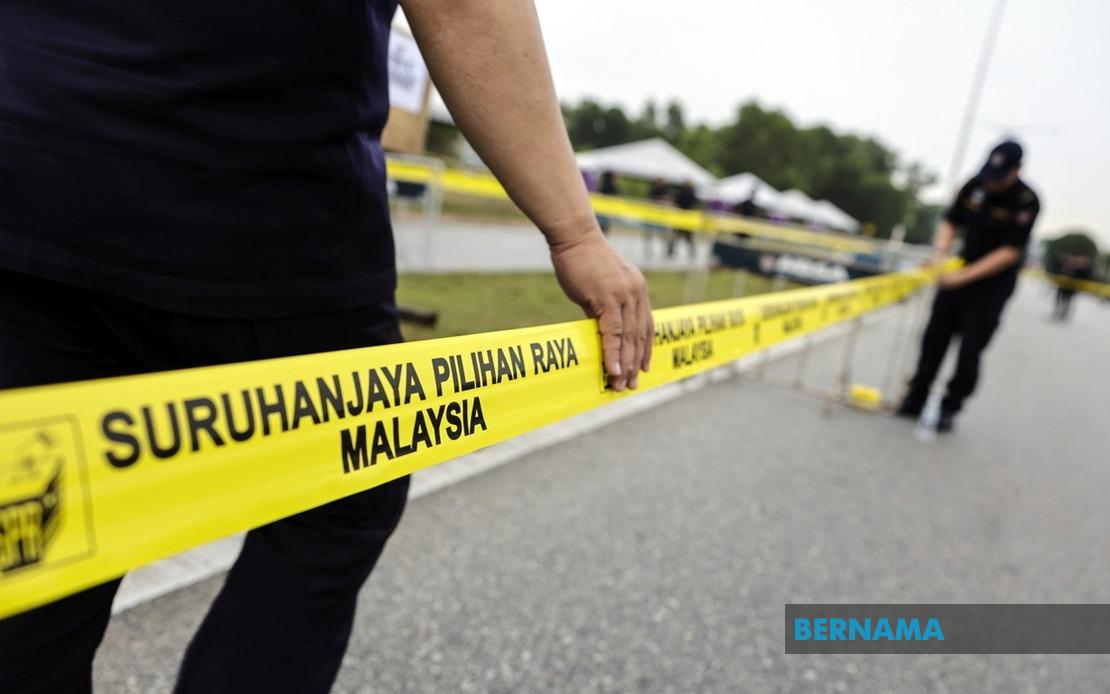
Voters and candidates in Negeri Sembilan can expect mostly pleasant conditions tomorrow as the state's 16th election enters its crucial nomination phase, according to forecasts issued by the Malaysian Meteorological Department. Dr Mohd Hisham Mohd Anip, the department's director-general, told reporters in Seremban that fair weather will predominate during morning hours across five districts, enabling smooth proceedings at nomination centres scheduled to open from 9 am to 10 am across eight locations throughout the state.
The meteorological outlook reveals a divide in expected conditions across the state's geography. Jelebu, Jempol, Kuala Pilah, Rembau and Tampin are anticipated to remain dry through the morning nomination period, providing stable circumstances for the formal registration of candidates. However, residents and election officials in Port Dickson and Seremban should prepare for rain during the same timeframe, potentially complicating logistics at two of the state's most significant nomination centres.
Temperature conditions will remain within typical tropical parameters, with Dr Mohd Hisham projecting minimum readings between 23 and 24 degrees Celsius in the pre-dawn hours, climbing to maximum temperatures of 32 to 33 degrees as the day progresses. These thermal conditions are standard for the state at this time of year and should not significantly impact voter turnout or candidate movements during nomination procedures.
While morning conditions appear manageable, weather patterns are expected to deteriorate in the afternoon as thunderstorms move across most districts. Dr Mohd Hisham emphasised that these convective systems will likely bring temporary precipitation rather than the sustained downpours that occasionally disrupt electoral activities in the region. The showers are anticipated to pass quickly, characteristic of brief afternoon convection rather than organised storm systems that might produce flooding or infrastructure damage.
The meteorological department characterised expected rainfall as minor in significance and duration, providing reassurance to election administrators, party operatives, and the broader public that weather should not substantially impede the nomination process. Dr Mohd Hisham recommended that all stakeholders—including candidates, their supporters, and election workers—monitor the MetMalaysia website continuously for updated forecasts and advisories throughout nomination day.
The election machinery in Negeri Sembilan has been set in motion following the state assembly's dissolution on June 5, with the Election Commission establishing July 28 as the early voting date and August 1 as polling day. The nomination centre opening on July 18 represents the formal commencement of candidate registration, after which returning officers will announce confirmed participants. This procedural milestone triggers the campaign period and establishes the final roster of contestants across the state's 36 legislative seats.
Negeri Sembilan's political landscape has crystallised into a multi-cornered contest involving four major coalitions and several independent entities. Pakatan Harapan has committed to fielding candidates across all 36 seats, with PKR contesting 16, DAP securing 11 and Amanah 9, reflecting the coalition's confidence in mounting a comprehensive challenge. Barisan Nasional has adopted a more selective approach, contesting 25 seats through UMNO's 16 candidates, MCA's seven and MIC's two, suggesting strategic seat allocation between component parties.
Perikatan Nasional's participation encompasses 11 contested seats distributed among PAS's five candidates, Wawasan's four representatives, plus single candidates each from Gerakan and the Malaysian Indian People's Party. This coalition's more limited footprint contrasts with its broader mobilisation in other peninsular contests. Beyond these major groupings, Parti Orang Asli Malaysia, Parti Sosialis Malaysia and Parti Barisan Jemaah Islamiah Se-Malaysia have each announced single-candidate participation, adding fringe options for voters seeking alternatives to mainstream coalitions.
Peikatan Nasional's component party Parti Pribumi Bersatu Malaysia was expected to announce its candidate slate later on July 17, completing the registration picture before nomination day. This staggered announcement pattern reflects internal coalition coordination and the ongoing strategic positioning among participants as they prepare for the campaign phase.
The electoral environment encompasses 889,490 registered voters distributed across Negeri Sembilan's legislative constituencies. The electoral roll comprises 867,151 ordinary voters, supplemented by 16,884 military personnel and their spouses eligible for early voting on July 28, and 5,455 police personnel similarly permitted early participation. This voter composition is particularly relevant given Malaysia's deployment patterns in the state and the security forces' institutionalised voting arrangements under electoral regulations.
The 16th state election follows a decade of relative political stability in Negeri Sembilan, though the state has experienced factional tensions within major coalitions and shifting support patterns in previous polling. Tomorrow's nomination day will crystallise the extent to which internal restructuring within Pakatan Harapan and Barisan Nasional translates into meaningful contest variations compared to previous cycles.
Weather conditions, while superficially procedural, carry genuine implications for nomination centre operations. Rain and thunderstorms can disrupt transportation networks and voter access to urban nomination centres, potentially affecting the symbolic messaging around candidate registrations. The MetMalaysia forecast's emphasis on temporary rather than sustained rainfall suggests administrative disruption should remain minimal, allowing nomination procedures to proceed with maximum visibility and candidate participation.

