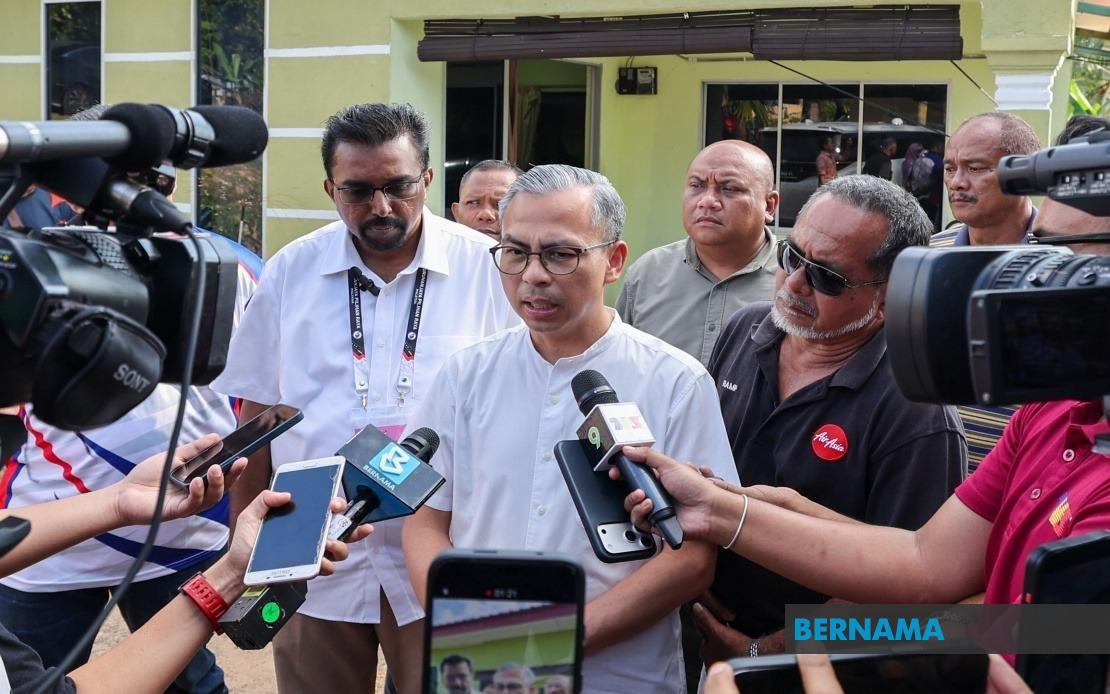
The Negeri Sembilan state election campaign is proceeding without significant disruption on social media platforms, according to Communications Minister Datuk Seri Fahmi Fadzil, who reported that regulatory authorities have fielded only 16 complaints since campaigning commenced. Speaking at the Ziarah Kasih MADANI programme in Felda Palong 1 on July 23, Fahmi described the overall online environment as orderly, suggesting that political actors and the general public have largely adhered to expected standards of conduct during this crucial electoral period.
The Malaysian Communications and Multimedia Commission has received a relatively modest complaint volume given the scale and intensity of state election activity. Of the 16 complaints registered, fourteen stemmed from technical issues affecting telecommunications networks rather than content violations—a distinction that underscores the difference between infrastructure problems and deliberate misconduct. Only two complaints involved the creation of fraudulent social media accounts, indicating that attempts to manipulate the electoral narrative through fake profiles have remained marginal so far in the campaign cycle.
Fahmi's assessment arrives at an intermediate stage of campaigning, with six days already elapsed and approximately seven to eight days remaining before voting on August 1. This timing places the election at a juncture where patterns are becoming visible but the critical final stretch—the 72 to 96 hours immediately preceding the polls—has yet to unfold. The minister explicitly cautioned that this concluding period typically witnesses a substantial increase in online posting and engagement from multiple political factions and interest groups, a phenomenon that has characterised Malaysian electoral contests in recent years.
The minister's concern about potential misinformation intensifying during the campaign's endgame reflects broader challenges facing election administration across Southeast Asia. False narratives, doctored images, and misleading claims frequently proliferate when the stakes feel highest and voter attention peaks. Fahmi signalled that authorities are preparing for this possibility and urged the public to maintain vigilance, particularly regarding content that may breach electoral commission guidelines or violate the terms of service established by social media platforms themselves.
Responsibility for addressing problematic content extends beyond government agencies, Fahmi emphasised, placing significant weight on platform operators to police their own ecosystems. Citizens who encounter material they believe violates electoral rules or platform standards should first report directly to the relevant social media company, he advised. Only if such complaints go unaddressed should individuals escalate matters to MCMC, creating a tiered accountability structure that distributes enforcement burdens across multiple actors.
Beyond social media conduct, Fahmi identified significant connectivity gaps in rural areas, particularly in Felda Palong 1, that warrant urgent remediation. During his visit to the settlement, he determined that internet coverage deficiencies were concentrated along main access roads serving the agricultural scheme rather than within residential clusters themselves. This distribution pattern suggests infrastructure planning may have overlooked transport corridors while prioritising densely populated zones—a common limitation in developing telecommunications networks in less urbanised regions.
The government framed poor connectivity not merely as an inconvenience but as a genuine safety liability during emergencies when reliable communications could prove life-saving. Fahmi articulated a foundational principle that wherever physical roads exist in populated areas, accompanying digital infrastructure should follow as a matter of policy. This assertion reflects Malaysia's broader digitisation agenda and the commitment to ensure that rural and semi-rural communities do not remain permanently disadvantaged in accessing essential services.
Telecommunications companies have made commitments to network sharing through a memorandum of understanding signed the previous year, yet implementation has lagged behind timetables. The slow pace of rollout suggests that commercial considerations, regulatory hurdles, or technical complexities have hindered faster progress despite the agreements in place. Fahmi indicated that construction of new telecommunications towers, optimisation of existing infrastructure utilisation, and temporary deployment of satellite services such as Starlink represent viable pathways forward.
Satellite internet services emerge as particularly relevant for Malaysia's context, where thousands of settlements remain difficult to reach through conventional terrestrial networks. Starlink and comparable systems offer interim solutions while longer-term infrastructure development proceeds, though questions about cost, speed, and sustainability remain. The Communications Ministry's openness to satellite deployment reflects pragmatic acknowledgment that traditional approaches alone cannot universally solve Malaysia's digital divide within compressed timeframes.
Telecommunications companies have been instructed to strengthen customer feedback mechanisms, with particular emphasis on leveraging artificial intelligence to provide real-time complaint status updates. This modernisation of complaint tracking addresses a persistent frustration: citizens reporting problems but receiving no transparency about whether their reports are being investigated or resolved. AI-powered systems can automatically acknowledge submissions, assign reference numbers, and provide status notifications, reducing the opacity that typically characterises utility company customer service.
The election timetable allows for early voting on July 28, providing flexibility for those unable to vote on the main polling date. This scheduling gives campaign monitors additional opportunities to observe potential problems before the decisive August 1 vote. Early voting's existence also reduces pressure on voting day logistics, though it creates extended periods during which technical issues or misinformation could influence outcomes.
Fahmi's comments reflect Malaysia's evolving approach to election administration in the digital age, where monitoring social media activity and ensuring technological equity have become routine ministerial concerns. The relatively low complaint volume suggests either genuine restraint among political actors or effective self-regulation by platform operators—or possibly both. However, his warnings about the coming final campaign stretch indicate authorities remain alert to risks that could still emerge as emotional intensity peaks and voters make final decisions.

