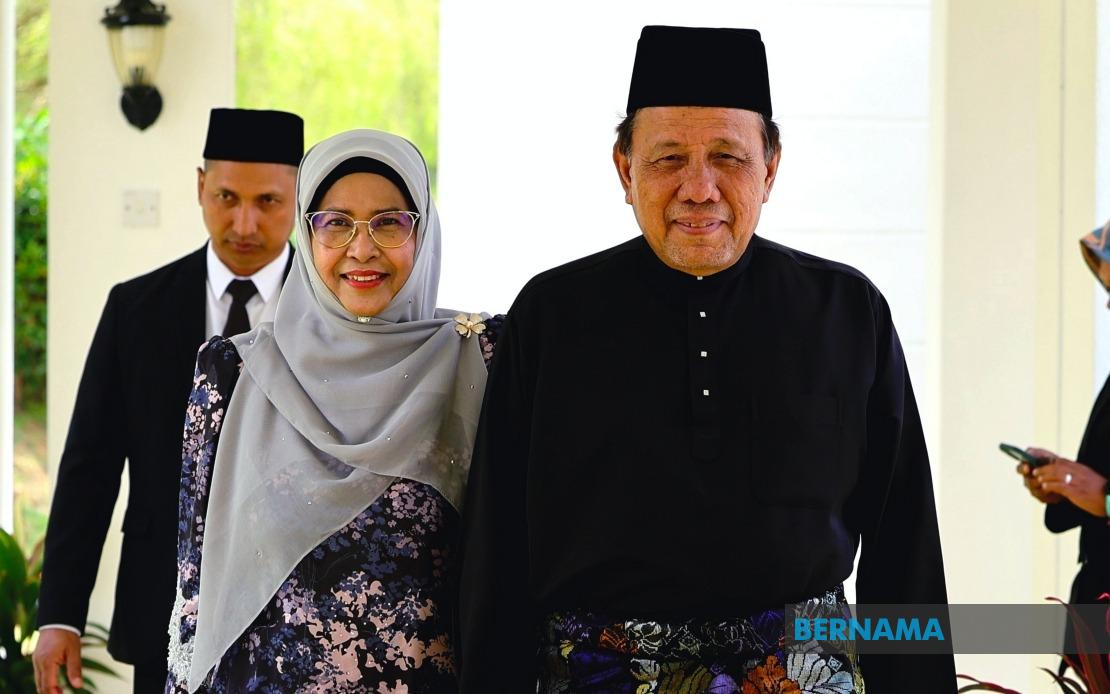
Negeri Sembilan will observe August 3 as an occasional public holiday, the state government announced on Friday following the conclusion of its 16th state election. Menteri Besar Datuk Ismail Lasim made the declaration with the approval of the Yang Dipertuan Besar of Negeri Sembilan, Tuanku Muhriz Tuanku Munawir, presenting the day off as recognition of the electoral process and the contributions made by citizens across the state in ensuring a smooth poll.
The 67-year-old Ismail was sworn in as Menteri Besar on Friday at Istana Besar Seri Menanti in Kuala Pilah, completing the formal transition of leadership following Thursday's election results. During his inaugural press conference in the role, he emphasized that the additional rest day would provide relief to voters and election workers who had endured the rigours of the campaign period. The announcement underscores the new administration's intention to acknowledge public participation in the democratic process, a gesture increasingly common among Malaysian state governments seeking to build goodwill following electoral exercises.
Ismail expressed profound gratitude to Tuanku Muhriz for consenting to his appointment and for graciously permitting the holiday declaration, framing both decisions as expressions of royal acknowledgment of the state's successful democratic exercise. His remarks reflected the constitutional role of the Yang Dipertuan Besar in the state's governance structure, particularly in the appointment of the Menteri Besar following an election. The timing of the announcement, made immediately after the swearing-in ceremony, demonstrated the new administration's early engagement with symbolic gestures intended to build legitimacy and connection with the electorate.
Thursday's election delivered decisive results that created substantial governing room for the incoming administration. Barisan Nasional captured 18 of the 36 contested state assembly seats, while Perikatan Nasional secured seven seats, providing the two coalitions with a combined two-thirds supermajority in the Negeri Sembilan State Legislative Assembly. This outcome represents a significant consolidation of power, enabling the joint government to pursue legislative initiatives without dependence on opposition support and reducing the risk of political instability that might emerge from a narrow majority configuration.
The election itself involved a broad contest, with 103 candidates competing across the 36 state constituencies. The participation level and the distribution of winning votes across the state reflected broader patterns visible in recent Malaysian state elections, where urban-rural divides, demographic shifts, and local governance performance significantly influence electoral outcomes. For Negeri Sembilan, a state occupying a strategic location within the Klang Valley economic corridor, election results carry implications beyond state-level politics, potentially influencing broader Peninsular Malaysia political dynamics and the relative positioning of coalition partners at the federal level.
The coalition arrangement between Barisan Nasional and Perikatan Nasional in Negeri Sembilan represents a pragmatic political alliance at the state level, though it reflects the fragmented nature of Malaysian politics where partners at the federal level may find themselves cooperating or competing at state level depending on electoral outcomes. This flexibility in coalition-building remains a distinctive feature of Malaysia's federal system, where different states may adopt different governing arrangements depending on local electoral results and political negotiations among parties. The two-thirds majority secured by the coalition insulates the government from destabilization attempts and provides stability for the implementation of the state administration's agenda over the next five-year term.
For ordinary Negeri Sembilan residents, the public holiday offers practical respite after what are typically physically and mentally demanding election periods. Campaign seasons in Malaysia often stretch over weeks of campaign rallies, roadshows, and political activities that test community patience and administrative resources. The additional day off, while modest in material terms, carries symbolic weight as an acknowledgment that the electoral process demands sacrifice from citizens, poll workers, and security personnel, and merits recognition through a collective pause for rest and reflection.
The declaration also establishes a precedent within Negeri Sembilan's recent governance history, signalling that the incoming administration under Ismail Lasim intends to govern with attention to public sentiment and symbolic gestures that acknowledge citizen participation in democratic processes. Such moves, though primarily ceremonial, contribute to the reservoir of goodwill upon which governments depend for public cooperation and social cohesion, particularly important in the delicate period immediately following elections when political tensions may remain elevated among supporters of various contending parties.
Looking forward, the composition of the Negeri Sembilan government will likely influence implementation of policies affecting the state's development trajectory, education and healthcare delivery, and positioning within the broader Klang Valley regional economic framework. The dominance of Barisan Nasional within the coalition will probably shape the character of the administration, though the inclusion of Perikatan Nasional representatives in the government structure will require negotiation and compromise on key policy decisions. How successfully these coalition partners navigate governance together will carry lessons for other states contemplating similar arrangements and for national-level political strategists assessing the viability of coalition models as alternatives to single-party dominance.
The quick announcement of the public holiday demonstrates organizational efficiency within the newly formed administration and signals priority given to immediate symbolic actions before pivoting to substantive policy work. Ismail Lasim's tenure as Menteri Besar will be measured ultimately by implementation of development projects, improvement of public services, and economic performance, but these early moves establish a tone of responsiveness to public concerns and acknowledgment of the democratic exercise that brought the government to power. The coming months will reveal whether this initial goodwill translates into sustained public support and successful coalition governance in the state.

