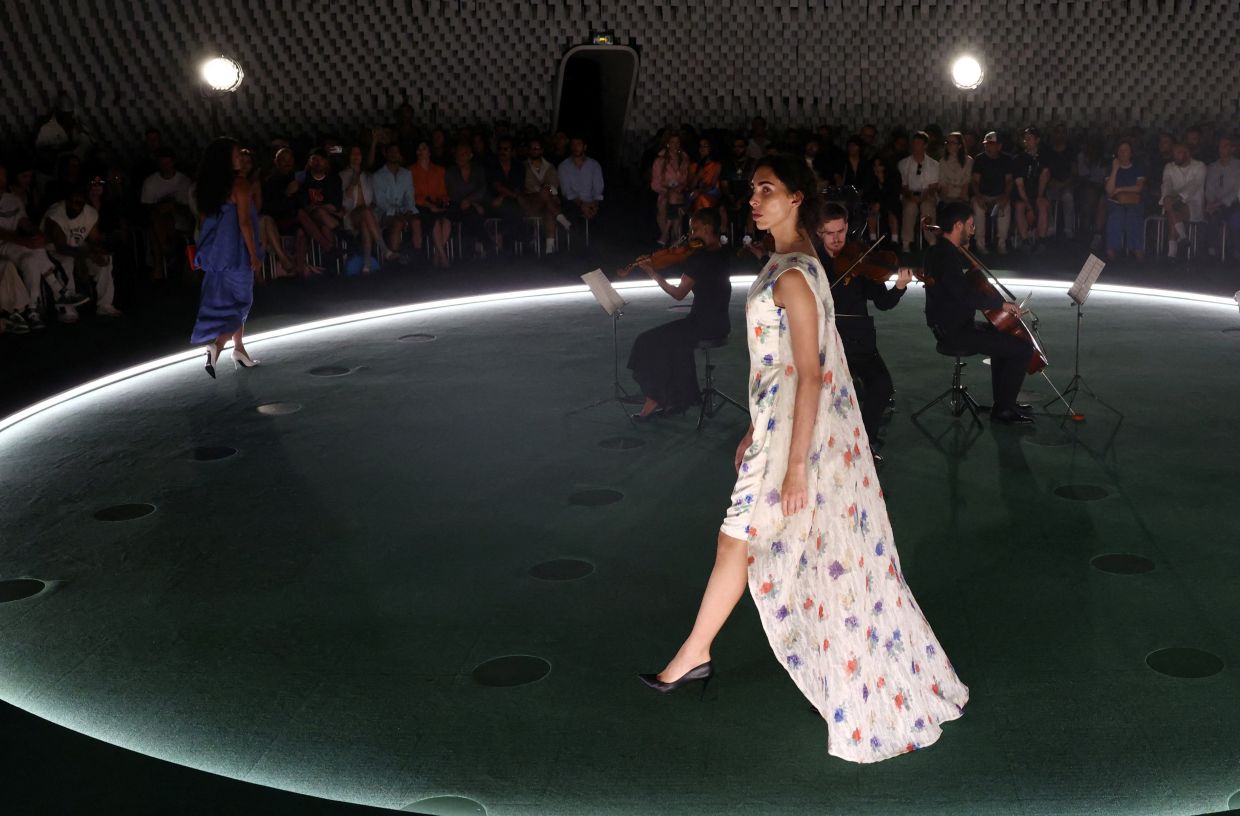
The fashion world is experiencing a dramatic shift towards sleeveless clothing, reflecting broader changes in how people dress for an increasingly hot world while simultaneously questioning long-standing social constraints on the female body. Global market research suggests this movement is far from fleeting: the sleeveless apparel sector is anticipated to expand from US$24.36 billion in 2021 to more than US$51.39 billion by 2033, representing a remarkable surge in consumer demand. Fashion industry observers have noticed this acceleration accelerating even faster on the catwalk, with data from the Tagwalk fashion search engine documenting a 133% jump in sleeveless designs appearing in Spring 2026 collections compared to the previous year. This trajectory indicates that bare arms are becoming increasingly normalised across designer collections and mainstream fashion retailers alike.
Multiple converging factors explain this phenomenon, each reflecting contemporary social and environmental conditions. Rising global temperatures have made lightweight, minimal clothing practical rather than merely aesthetic, particularly in tropical regions like Southeast Asia where humidity and heat demand breathable fabrics. Concurrently, the prominence of fitness and wellness culture has created new body standards that celebrate visible musculature and athletic physiques, making arm exposure less taboo than in previous decades. Perhaps most significantly, evolving gender norms have begun to challenge the historical restrictions placed on women's dress codes, dismantling arbitrary rules that dictated professional propriety. Designer Willy Chavarria, whose recent Paris Fashion Week presentations prominently featured sleeveless silhouettes, observed that this category has substantially outperformed traditional sleeved alternatives in the past two seasons, signalling a genuine market preference rather than temporary design whimsy.
Yet despite this momentum, the question of whether women should embrace sleevelessness remains fraught with complexity rooted in decades of social conditioning and gendered expectations. The reaction to this trend within professional environments illustrates the persistence of these constraints: casual observation of news broadcasts reveals that female anchors increasingly appear in sleeveless dresses, suggesting that media industries are adopting more liberal dress codes even as tension lingers around propriety. This visibility itself becomes both an opportunity and a source of pressure, as women navigate unspoken expectations about appropriate self-presentation. The tension between following fashion and adhering to internalised rules about body exposure reveals how thoroughly social norms regarding female appearance remain embedded in professional culture.
The resistance to sleevelessness often stems from anxieties about ageing that are disproportionately directed at women. Arms represent a particularly visible marker of chronological time because, unlike facial skin, they remain difficult to modify through cosmetic procedures or skincare regimens. The upper arm—with its potential for sagging skin, accumulated fat deposits, and visible changes in muscular definition—has become symbolically loaded as a site of unwanted ageing. These concerns are not frivolous; they reflect genuine insecurities cultivated by cultural messaging that equates youthful appearance with female value and desirability. The historical advice given to older women to conceal their arms reflects an assumption that ageing bodies are inherently less worthy of display, a prejudice that continues to shape purchasing decisions and wardrobe choices.
The gendered history of arm exposure illuminates why sleevelessness carries such psychological weight for women in ways it does not for men. For decades, sculptural female musculature was dismissed as unfeminine or inappropriate, a double standard that confined women to a narrow aesthetic acceptable primarily if they appeared soft and underdeveloped. The controversial response to Michelle Obama's sleeveless fashion choices during her tenure as First Lady demonstrated how racialized and politically charged arm exposure could become; what might have been celebrated as elegant in a different context sparked heated debates about propriety and femininity. It was not until 2017 that the United States House of Representatives formally changed its dress code to permit female members to wear sleeveless garments, with the Senate requiring an additional two years to follow. This recent institutional change underscores how thoroughly professional environments have enforced restrictions on women's bodies, creating psychological legacies that extend far beyond formal workplaces.
For women unconvinced by the sleeveless trend, fashion designers and style experts propose several practical approaches that allow gradual negotiation with this aesthetic. The simplest strategy involves redirecting visual attention away from areas of concern through strategic accessorising—a statement necklace or bold bangles worn with a sleeveless silhouette encourages the eye to focus on jewellery rather than arms. This technique works through the principle of visual competition, allowing women to reclaim confidence by emphasizing elements they prefer to highlight. Alternatively, compromise silhouettes occupy the middle ground between full sleeves and complete sleevelessness, including cold-shoulder designs or open-arm styles that expose the shoulder while maintaining some arm coverage. Cap sleeves offer another option, providing minimal coverage that often flatters while softening the transition from shoulder to arm.
Designer Antonin Tron of Balmain advocates for reconceptualising attitudes toward the ageing female body altogether, arguing that beauty need not diminish with age and that female sexuality and confidence should not be constrained by chronological time. He suggests practical sartorial solutions, including the strategic layering of sheer or transparent tops over sleeveless pieces, creating visual interest and texture while technically providing coverage. The architectural details of garment construction matter considerably: sleeveless tops cut high under the arm without excessive tightness can flatter without creating unflattering gaps or binding that accentuates problem areas. These technical considerations demonstrate that supporting sleevelessness need not mean accepting ill-fitting garments; proper tailoring and thoughtful design can address legitimate comfort and aesthetic concerns.
Beyond styling tactics lies a deeper invitation to reconsider what arms actually represent in the context of individual biography and capability. Arms are not merely visual surfaces subject to aesthetic judgment; they are functional instruments of human agency and connection. The same arms that appear in professional settings delivering presentations and managing complex tasks have lifted children, moved furniture, typed correspondence, provided physical affection through embraces, and performed countless labours of care and maintenance. Reframing arm exposure as a celebration of embodied capacity rather than a display of youthful skin shifts the conversation fundamentally. This perspective aligns with broader body-positive movements that encourage women to appreciate their bodies for what they do rather than conforming to narrow standards of appearance.
For Southeast Asian women navigating this trend, the sleeveless movement carries particular significance given the region's tropical climate and diverse professional cultures. Malaysian workplaces, like those across the region, are gradually relaxing dress codes, though expectations remain more conservative than in Western fashion capitals. The expansion of the sleeveless market suggests that retailers will increasingly offer these options at accessible price points, making the trend less exclusive to high-end fashion. Women can approach sleevelessness strategically, adopting styles that feel personally comfortable rather than surrendering to pressure or rejecting the trend entirely. The key lies in agency: making deliberate choices about self-presentation rather than accepting either prescriptive restrictions or trendy imperatives.
Ultimately, the sleeveless debate reflects a broader negotiation about female autonomy, professional equality, and bodily confidence that extends well beyond fashion. As global temperatures rise and workplace dress codes continue evolving, the practical and symbolic importance of sleeveless clothing will likely persist. Women need not embrace this trend wholesale, but acknowledging the historical forces that made arm exposure controversial—and actively deciding how to engage with contemporary norms—constitutes a form of agency that fashion choices can meaningfully express. Whether a woman wears sleeveless garments should be driven by her own comfort and preference, informed by practical styling knowledge rather than internalised shame about natural bodily changes.

