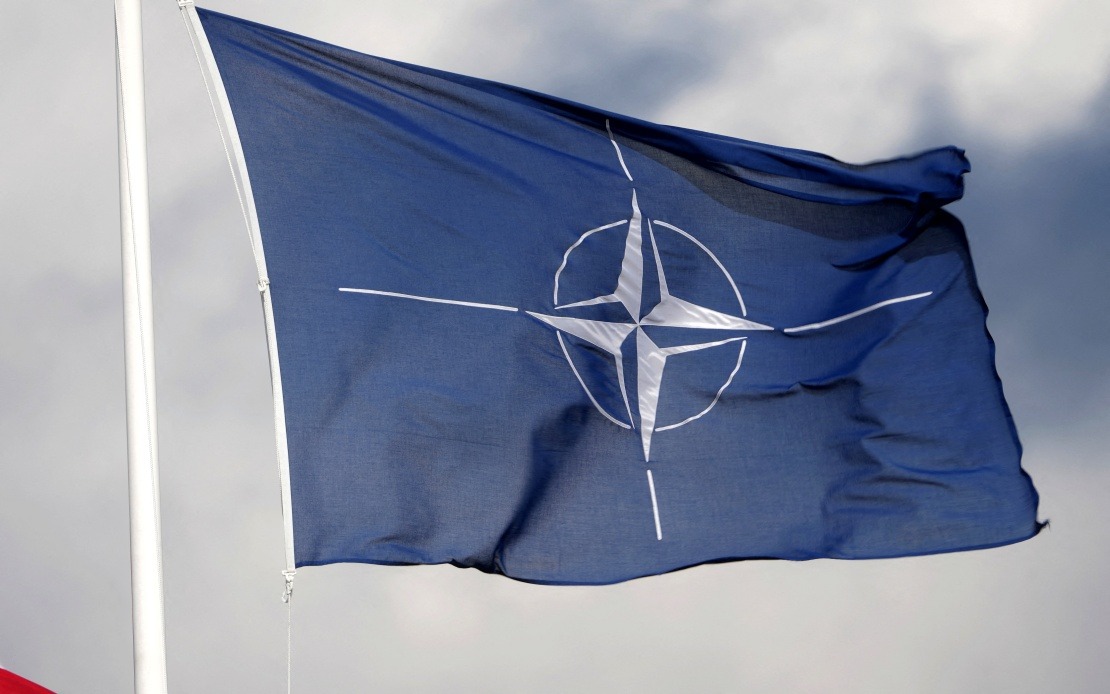
NATO member countries are embarking on a significant military spending escalation, with combined defence expenditures forecast to exceed US$1.8 trillion in 2026. This substantial surge reflects a strategic decision by alliance leaders to bolster security capabilities across the bloc, building on commitments articulated during last year's summit in The Hague. The projected increase of approximately 11 per cent from the estimated US$1.63 trillion allocated in 2025 underscores the alliance's determination to strengthen its deterrence posture amid evolving geopolitical challenges in Europe and beyond.
The acceleration in defence outlays among NATO's 32 members signals a fundamental recalibration of security priorities within the Western alliance. Rather than representing isolated budgetary adjustments, these figures reflect a coordinated commitment to reshape military capabilities and readiness across the organisation. The magnitude of this investment carries implications far beyond transatlantic affairs, particularly for regions like Southeast Asia where security dynamics remain intertwined with broader great power competition and the stability of international institutions.
The United States maintains its overwhelming dominance as NATO's primary military power, with defence spending anticipated to reach approximately US$1.03 trillion in 2026. This staggering figure represents roughly 57 per cent of the entire alliance's defence budget, illustrating the asymmetrical burden-sharing that has long characterised NATO's operational structure. American military expenditure continues to dwarf all other contributors, reflecting both Washington's global strategic commitments and its role as the alliance's principal guarantor of collective security.
European members have substantially increased their own defence investments in recent years, though they remain considerably smaller than American allocations. Germany, as Europe's largest economy and most populous nation, is positioned to emerge as the second-largest spender with approximately US$147 billion in projected expenditure. This represents a notable shift for Berlin, which has historically maintained relatively restrained defence budgets. The United Kingdom follows with approximately US$110 billion, while France contributes roughly US$80 billion. Italy, Poland, Canada, and Turkey round out the top tier of contributors with US$57 billion, US$53 billion, US$52 billion, and US$48 billion respectively, each reflecting distinct strategic priorities and regional concerns.
A particularly striking development involves the commitment levels undertaken by smaller member states with acute security concerns. Five nations—Lithuania, Estonia, Latvia, Poland, and Greece—are expected to allocate more than 3.5 per cent of their respective gross domestic products to core defence spending in 2026. This threshold surpasses the benchmark established during the 2025 Hague summit and demonstrates the determination of frontline states to enhance their military capabilities. For the Baltic republics and Poland, which share borders with Russia or face Russian security threats, this commitment reflects existential concerns about territorial integrity and deterrence.
Across the entire alliance, NATO estimates that average core defence spending will reach 2.86 per cent of GDP in 2026. This figure provides context for understanding the overall commitment being made by member states, even as individual contributions vary considerably. Core defence spending excludes broader security-related investments, which account for additional allocations under the alliance's expanded security framework.
The ambitious targets articulated at The Hague summit in 2025 reveal NATO's long-term strategic thinking. Alliance leaders agreed to direct a combined five per cent of GDP towards defence and defence-related spending by 2035, with three and a half per cent dedicated to core military capabilities and an additional one and a half per cent allocated to complementary security investments. These complementary expenditures encompass critical infrastructure hardening, societal resilience building, technological innovation, and cyber defence capabilities. This comprehensive approach reflects recognition that contemporary security challenges extend beyond traditional military domains.
The motivation underpinning this unprecedented spending surge stems from multiple converging factors. Russia's continued aggression in Ukraine, demonstrated military capabilities, and bellicose rhetoric towards NATO members have catalysed serious reassessment of European security requirements. Simultaneously, concerns about potential Chinese assertiveness in global affairs and emerging hybrid warfare tactics have persuaded alliance members that enhanced military capacity represents a strategic imperative rather than optional investment.
For Malaysia and other Southeast Asian nations, NATO's military consolidation carries several implications worth considering. The strengthening of transatlantic defence ties and capabilities may influence broader geopolitical dynamics, including the balance of power relationships that affect Asian security environments. Additionally, as NATO members diversify their technological approaches and invest in emerging defence technologies, competitive pressures may intensify in global defence markets, potentially affecting regional procurement decisions and strategic partnerships.
The distribution of spending among NATO members reveals strategic priorities and vulnerability assessments. Eastern European nations facing direct Russian threats have prioritised rapid military modernisation, while Western European countries balance security concerns with economic considerations. This differentiation in spending levels and growth rates reflects divergent threat perceptions and geographic positions within the alliance structure.
Implementing these ambitious spending targets presents logistical and industrial challenges. Defence procurement systems require time to convert budgetary allocations into actual military capability improvements. Supply chain constraints, industrial capacity limitations, and the need for technological integration all complicate rapid force modernisation efforts. Nevertheless, the consensus among NATO members regarding the necessity of increased spending suggests sustained commitment despite these practical obstacles.
The trajectory of NATO defence spending towards and beyond 2026 will shape the security architecture of Europe for decades. This investment represents not merely budgetary decisions but strategic choices about deterrence, capability development, and the alliance's capacity to respond to future crises. As these spending patterns solidify, they will influence broader international security dynamics and potentially redefine expectations regarding defence investments among democratic nations globally.

