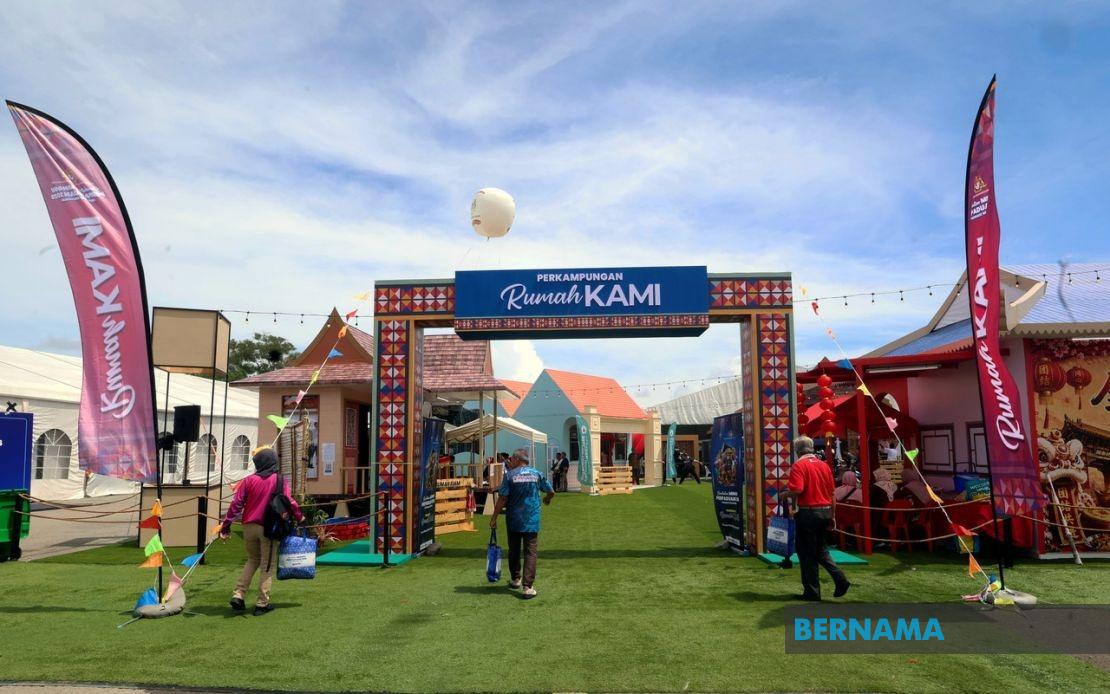
The National Unity Week 2026 celebration concluded in Kota Kinabalu on June 14 with a historic attendance milestone, welcoming 284,448 visitors across its four-day run from June 11. The figure represents the programme's strongest showing since its launch in 2023, signalling deepening public interest in initiatives designed to celebrate Malaysia's multicultural identity and strengthen social cohesion.
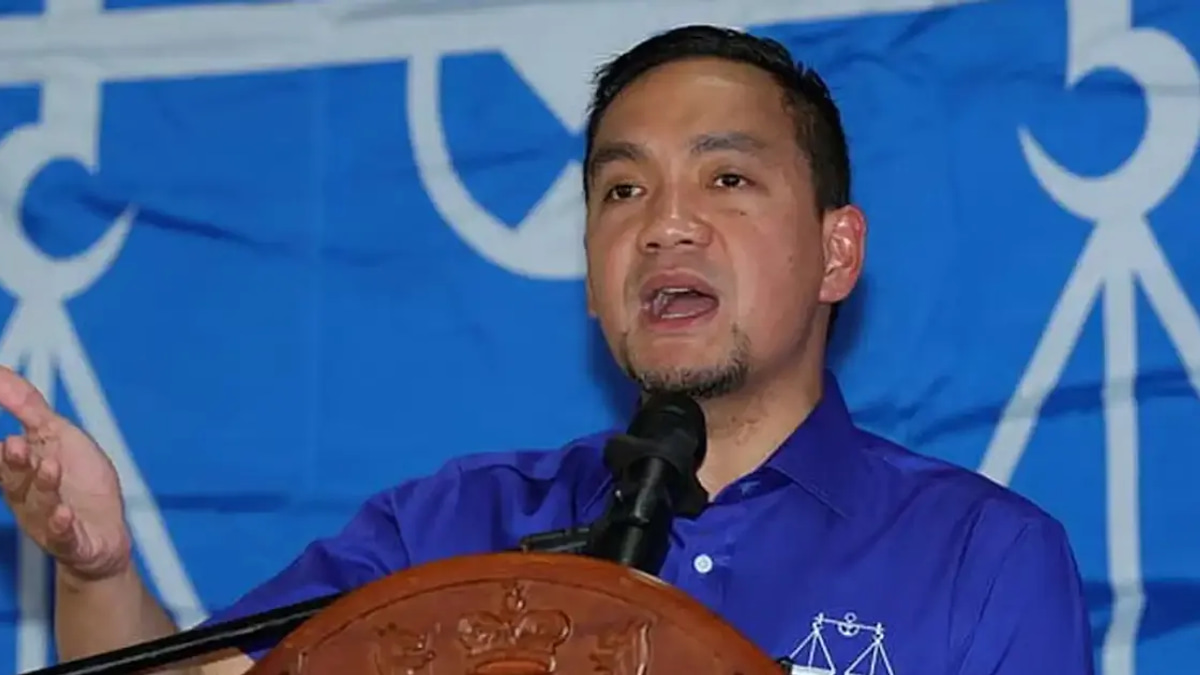
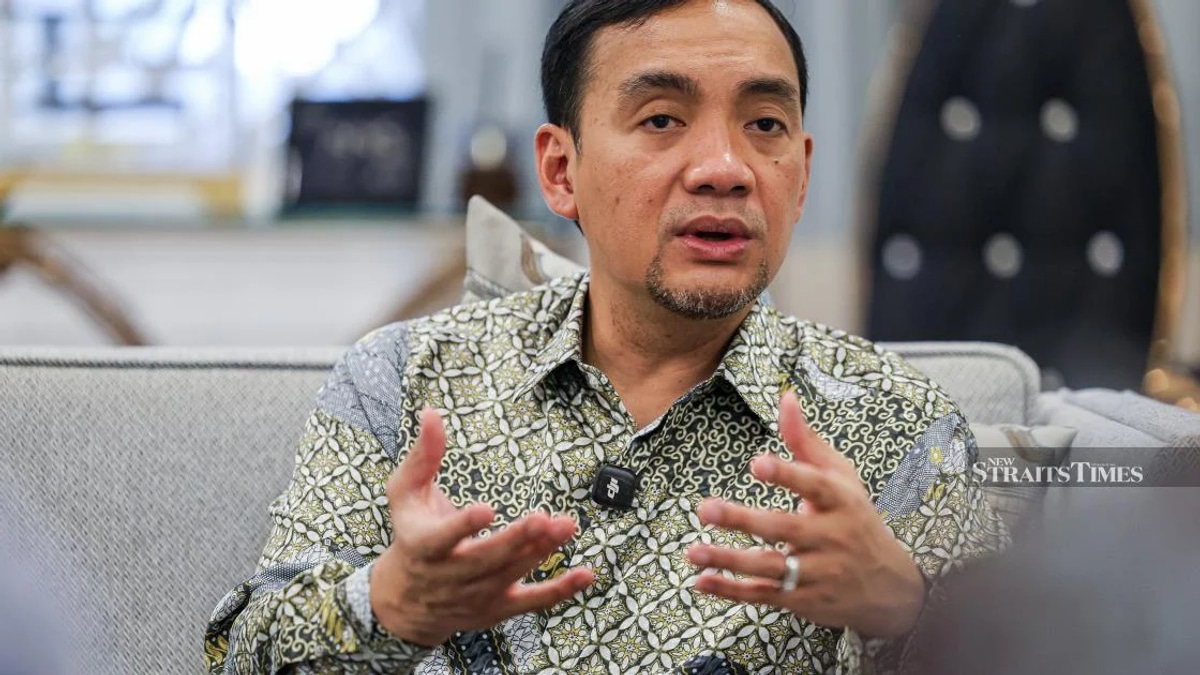
National Unity Minister Datuk Aaron Ago Dagang attributed the surge in attendance to Malaysians' expanding recognition of the nation's cultural wealth and distinctive communities. He emphasised that the scale of participation underscores how citizens increasingly value the diversity that forms the foundation of Malaysia's national fabric. The achievement reflects broader momentum within society towards appreciating shared heritage while acknowledging the distinct identities that characterise different regions and ethnic groups across the country.
Three exhibition zones emerged as the event's primary draws, each offering visitors distinct windows into Malaysian culture and history. The Ethnic Village functioned as an immersive space where guests observed daily practices, traditional crafts and communal customs of Malaysia's major communities in action. Meanwhile, the Ethnic Houses section displayed the architectural and cultural distinctiveness of communities including the Bajau, Melanau, Banjar, Kedayan and Portuguese populations, demonstrating the layered complexity of Malaysian heritage. The Negara Bangsa and Raja Kita Exhibition proved particularly effective at engaging younger attendees, successfully translating historical narratives into engaging formats that resonated with younger demographics.
Datuk Aaron stressed that the Ministry of National Unity intends to institutionalise the National Unity Week as an annual fixture on Malaysia's cultural calendar. By securing its place as a recurring national platform, the event aims to create sustainable opportunities for cross-cultural encounter among Malaysians from disparate backgrounds. This commitment signals confidence that demand for such inclusive spaces remains robust and will likely grow as awareness expands.
Beyond celebrating diversity itself, the minister articulated a deeper philosophy underpinning the week's significance. He contended that genuine unity cannot emerge from episodic celebrations alone, but demands sustained, intergenerational commitment woven into the nation's institutional fabric. This framing positions National Unity Week not as a standalone cultural festival but as a component within a broader, long-term architecture of integration—one requiring consistent reinforcement and transmission across generations to take root meaningfully in Malaysian society.
The Ministry of National Unity has accordingly committed to expanding platforms and mechanisms enabling regular interaction among diverse Malaysian communities. These initiatives aim to cultivate substantive relationships transcending surface-level cultural appreciation, moving instead toward genuine mutual comprehension and strengthened social bonds. The scale of this ambition reflects recognition that Malaysia's multicultural stability cannot be assumed but requires deliberate cultivation through repeated engagement and dialogue.
The government's approach aligns with the MADANI administration's overarching vision of constructing national unity through frameworks transcending conventional dividing lines of ethnicity, religious affiliation and geographic location. Rather than treating these categories as barriers, the ministry frames them as sources of collective strength when properly integrated through inclusive institutions and shared experiences. This articulation suggests a shift from managing diversity defensively toward celebrating it as intrinsic to Malaysia's competitive advantage.
Datuk Aaron emphasised that consolidating national cohesion demands commitment extending far beyond government institutions. Private sector entities, civil society organisations and individual Malaysians themselves must participate actively in nurturing harmonious coexistence and fostering environments conducive to genuine understanding. This distributed responsibility model reflects acknowledgment that top-down initiatives alone prove insufficient—meaningful unity requires organic participation from Malaysia's diverse constituencies.
The record attendance in Kota Kinabalu carries particular significance for East Malaysia, historically positioning the state as a key venue for celebrating the nation's regional diversity. Sabah's multicultural demography and unique position within Malaysia's federal structure make it an apt location for showcasing national unity in action. The success in Kota Kinabalu potentially signals receptiveness across East Malaysia for such initiatives and may encourage consideration of future iterations in other strategic locations reflecting Malaysia's geographic and demographic breadth.
Looking forward, the National Unity Week's expansion trajectory will likely encounter questions about accessibility, inclusivity and genuine impact beyond attendance metrics. Sustaining momentum will require the Ministry of National Unity to evolve programming based on visitor feedback, deepen engagement with younger cohorts and ensure that such initiatives translate into measurable improvements in intercommunal relations and civic participation. The 284,448 visitors represent an encouraging baseline, yet translating public interest into sustained social cohesion remains the deeper challenge requiring attention in coming years.