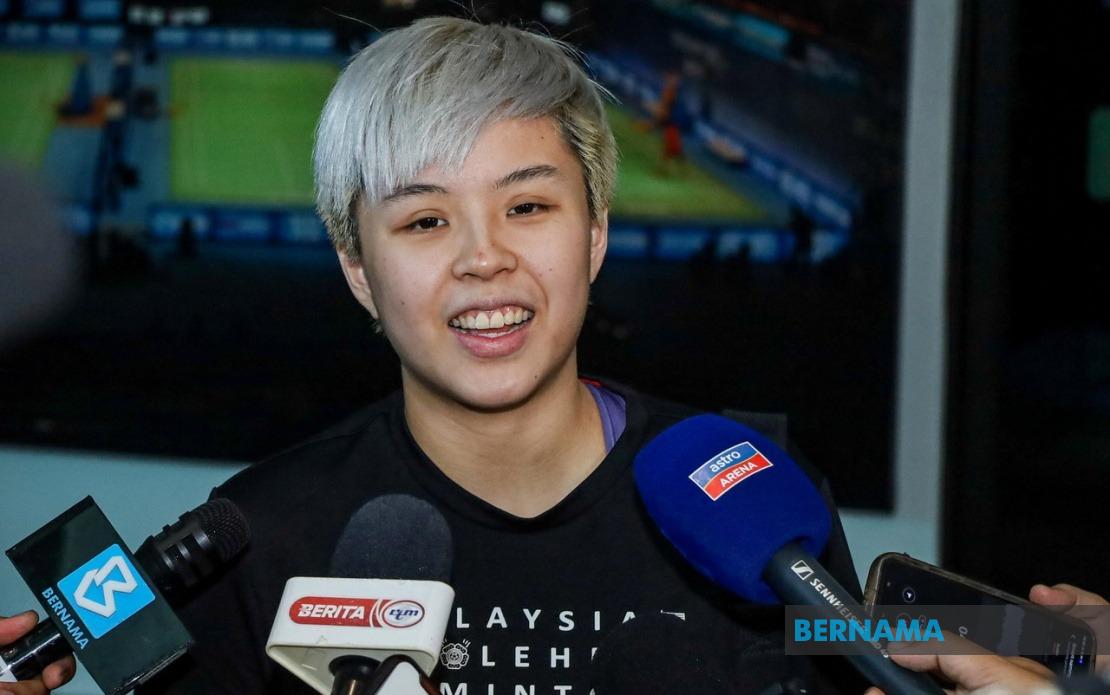
National mixed doubles shuttler Toh Ee Wei has successfully undergone surgery to repair her damaged left anterior cruciate ligament in Melbourne, Australia, marking a significant step forward in her recovery from the injury that has sidelined her from competition. The Badminton Association of Malaysia (BAM) announced that the surgical procedure was completed on June 30, with medical experts confirming that the operation went without complications. The injury itself occurred during the quarter-final round of the Singapore Open 2026, dealing a substantial blow to Ee Wei's competitive schedule and raising questions about her availability for upcoming regional tournaments and qualifying events for major championships.
The ACL injury represents one of the more serious setbacks in badminton, as the ligament plays a crucial stabilising role in the knee joint during the explosive lateral movements and rapid directional changes that characterise the sport at elite levels. The decision to pursue surgery in Australia reflects the careful medical planning undertaken by BAM and Ee Wei's support team, who opted for treatment at a facility with expertise in sports medicine and athlete rehabilitation. The choice of location underscores the serious nature of the injury and the commitment to ensuring optimal outcomes rather than rushing through recovery with substandard facilities. For Malaysian badminton fans, the surgery represents a necessary intervention that, while requiring months of intensive rehabilitation, offers the best prospect for Ee Wei's eventual return to competitive form.
Following the successful completion of the surgical phase, Ee Wei's focus now shifts entirely towards the demanding rehabilitation period that will determine her timeline for return to training and matches. Physical rehabilitation from ACL injuries typically involves progressive strengthening protocols, proprioceptive retraining, and gradual reintegration of sport-specific movements, a process that could extend several months depending on individual progress and complications. BAM has committed to providing comprehensive medical support throughout this phase, including physiotherapy, conditioning work, and psychological support to maintain Ee Wei's mental resilience during what can be a frustrating recovery journey. The association's formal backing is particularly important for ensuring consistency in her rehabilitation programme and access to the specialist expertise required during each phase of recovery.
The injury and subsequent surgery also carry broader implications for Malaysia's mixed doubles programme, which has been a source of pride and international competitiveness in recent years. The absence of Ee Wei from tournaments during her recovery period means the national badminton system must adjust its team compositions and strategies for upcoming competitions, potentially affecting Malaysia's medal prospects at regional championships and Asian Games events. Coaches and administrators face the challenge of maintaining competitive momentum while protecting players from overwork as cover for Ee Wei's absence, a delicate balance that requires careful tournament scheduling and player management. The situation highlights the vulnerability of any sports programme to injuries of key players, particularly in doubles disciplines where established partnerships are difficult to replicate quickly.
Ee Wei's own public statement following the surgery reflected both relief at the successful completion of the procedure and resolute determination to approach her rehabilitation with full commitment. Her emphasis on focusing entirely on recovery demonstrates the mental strength required from injured athletes, who must manage disappointment about lost competition time while channelling energy into the unglamorous but essential work of rehabilitation. The response from the badminton community, which she acknowledged gratefully, reflects the supportive culture within Malaysian sports and the genuine concern for players' wellbeing beyond their immediate competitive value. This kind of community backing can be psychologically beneficial during difficult recovery periods when athletes might otherwise feel isolated or forgotten.
From a broader Southeast Asian perspective, the incident serves as a reminder of the physical demands placed on badminton professionals and the importance of injury prevention measures, appropriate training loads, and adequate recovery periods between tournaments. The Singapore Open, where Ee Wei sustained her injury, is one of a congested calendar of international tournaments throughout the region, and the competitive intensity of these events places significant stress on athletes' bodies. National badminton associations across the region are increasingly focusing on sports science and medical support infrastructure to minimise injury risks, though the inherent nature of badminton means that sudden traumatic injuries will remain an occupational hazard. The investment in proper rehabilitation, as demonstrated by BAM's approach to Ee Wei's case, represents best practice that other regional associations can learn from.
The timeline for Ee Wei's return to competition remains uncertain and will depend on her individual healing rate and the progression of her rehabilitation milestones. Medical professionals typically recommend a cautious approach to returning athletes after ACL surgery, as premature return to competition significantly increases re-injury risk, which can result in further damage requiring additional surgery. BAM will likely coordinate with Ee Wei and her medical team to establish clear return-to-play criteria based on functional testing, strength measurements, and movement assessment rather than arbitrary timelines. Fans and administrators alike must exercise patience during this period, recognising that a properly rehabilitated athlete is far more valuable to Malaysian badminton than a prematurely returned competitor facing re-injury complications.
Looking ahead, Ee Wei's injury recovery will be closely monitored as a case study within Malaysian badminton circles, with lessons learned applied to injury prevention and management protocols for other players. The experience gained during her rehabilitation, including the challenges overcome and strategies employed, can inform BAM's approach to supporting other athletes facing similar setbacks. The association's institutional commitment to seeing injured players through to full recovery demonstrates investment in athlete welfare beyond immediate competitive returns, a principle that ultimately strengthens the entire badminton ecosystem. As Ee Wei begins the long journey back to the court, she carries with her the hopes of Malaysian badminton supporters and the backing of a national association determined to see her return stronger than before.

