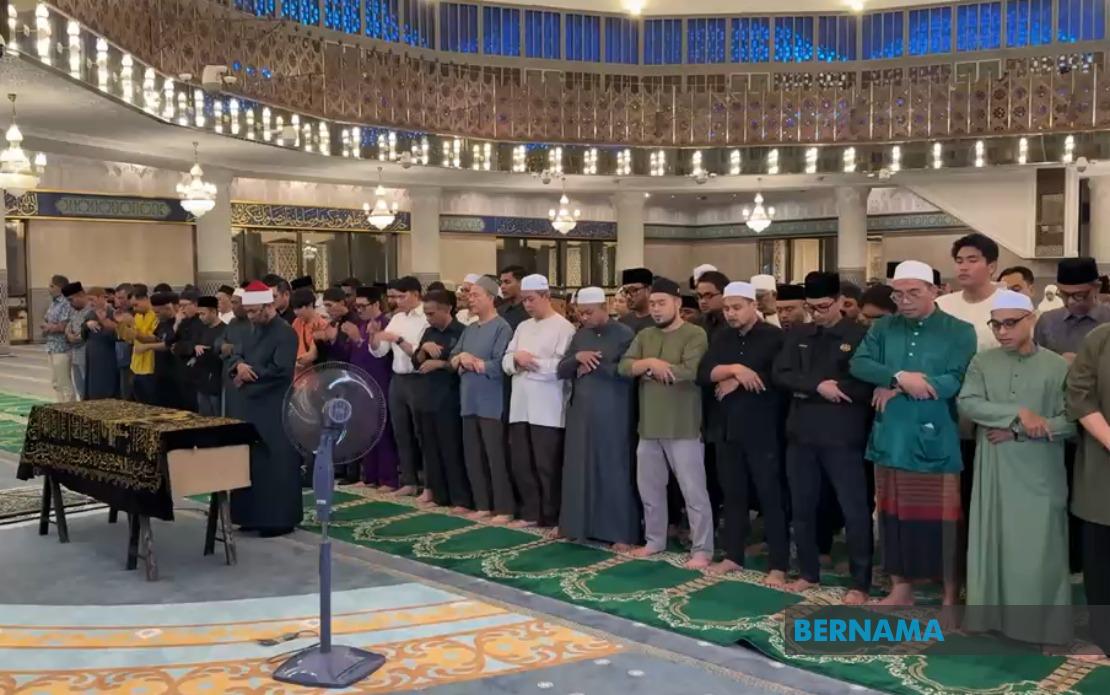
The mortal remains of Datuk Kamil Misuari, spouse of Women, Family and Community Development Minister Datuk Seri Nancy Shukri, were accorded final respects and funeral rites at the National Mosque in Kuala Lumpur on the evening of June 18 before being transferred to Sarawak for interment. The arrangements proceeded according to Islamic customs, with the body first prepared at a hospital facility before proceeding to the mosque for collective prayer and remembrance by family and associates.
According to a statement from the Minister's office, the preparation of the deceased began at Ampang Hospital at 9 pm, where the customary ritual bathing took place. This initial stage of the funeral process, carried out with appropriate solemnity, was followed by the conveyance of the remains to the National Mosque at 10 pm. The timing allowed for an extended period during which relatives and close acquaintances could gather to pay tribute and offer condolences, reflecting the importance placed on collective mourning in Islamic tradition.
The formal funeral prayers, known as solat jenazah, were scheduled to commence at 10.50 pm. This service represents a central element of Islamic funeral observance, bringing together family, friends, and members of the community to pray for the deceased and seek forgiveness for any worldly shortcomings. Following the completion of these prayers, the remains were to be transported directly to Kuala Lumpur International Airport at 11.20 pm for the flight eastward to Sarawak, where the final burial would take place in accordance with the family's wishes.
The presence of senior government figures at the hospital underscored the prominence of the deceased's family within Malaysia's political establishment. Education Minister Fadhlina Sidek was among those who came to the Forensic Department of Ampang Hospital to express condolences and support the grieving family during their period of loss. Such attendance by ministerial colleagues reflects both the personal relationships between senior officials and the customary respect shown to prominent families experiencing bereavement.
Datuk Kamil had been receiving treatment at Ampang Hospital since the previous Friday, with his health condition taking a significant downturn during the afternoon of June 18. The deterioration that led to his passing appears to have been relatively sudden, necessitating the prompt organization of funeral arrangements in accordance with Islamic requirements, which typically call for burial to take place within 24 hours of death. The family's decision to conduct the initial rites in Kuala Lumpur before transporting the body to Sarawak reflects both the practical realities of his being in the capital for medical treatment and the family's roots in East Malaysia.
Relatives who had travelled from Lahad Datu in Sabah were present in the capital to participate in the funeral proceedings and provide support to the bereaved family. The gathering of extended family members from different parts of Malaysia demonstrates the wide network of relationships maintained by prominent families, and the sense of obligation to be present during significant moments of loss. The presence of family from Sabah also indicates the broader geographic connections within the extended family structure.
The logistics of conducting funeral arrangements for a family with ministerial connections in Kuala Lumpur while managing the eventual transfer of remains to Sarawak highlights the complexities of such events in Malaysia's federal system. The coordination required to arrange hospital procedures, religious observances at the National Mosque, and international airport transit—all within a compressed timeframe and in accordance with Islamic law—demands careful planning and execution by the family and relevant authorities.
For Malaysian readers, the passing of Datuk Kamil Misuari carries particular significance given Nancy Shukri's position as Women, Family and Community Development Minister, a portfolio that carries responsibility for family welfare and community cohesion. The manner in which the family observes Islamic traditions and organizes funeral rites serves as a public example of how prominent families navigate grief while maintaining their public responsibilities and honoring religious obligations.
The funeral arrangements reflect the formal procedures typically observed for members of Malaysia's upper echelon, where senior government officials' families receive support from state institutions and where the National Mosque serves as a venue for significant national moments. The evening timing of the funeral prayers, the involvement of multiple government figures, and the coordination with international airport facilities all represent the infrastructure and protocols that surround state figures in Malaysia. Such arrangements also underscore the role that religious institutions play in providing ceremonial space for families across the nation's leadership.