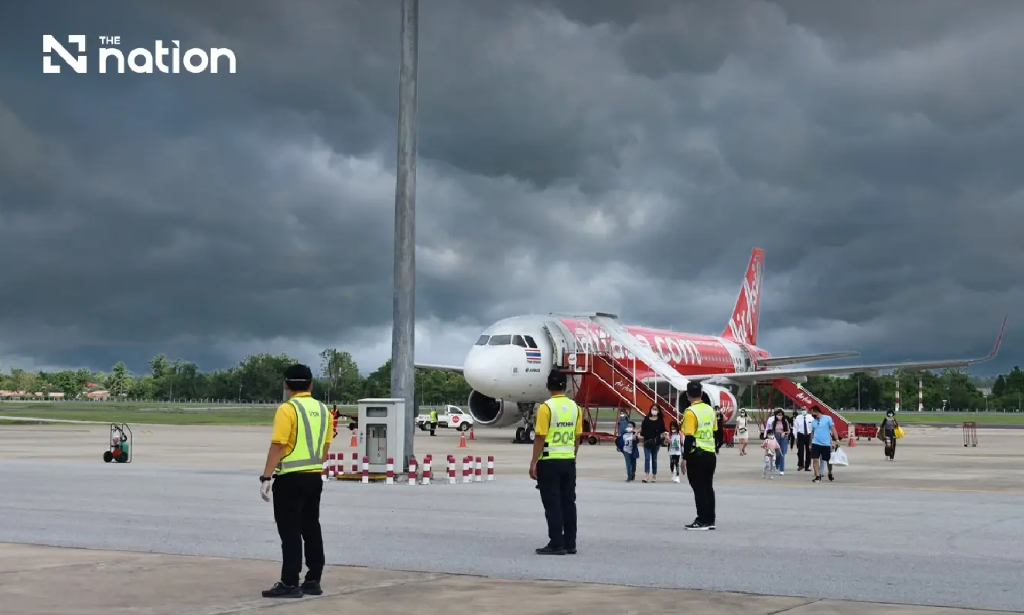
Nan Nakhon Airport in Thailand's northern region is continuing normal flight operations despite severe weather and flooding that has compromised ground access routes throughout Nan province, the Civil Aviation Authority of Thailand (CAAT) stated on Wednesday. While the airport itself remains functional and scheduled services are being maintained, the organization has issued urgent advisories to passengers, acknowledging that reaching the facility presents significant logistical challenges due to inundated roads and deteriorating conditions across multiple districts.
The CAAT has instructed travellers to verify road conditions and traffic patterns before departing for the airport, recognizing that flood damage has made conventional routes unreliable. Passengers should now budget considerably more time for airport transit, with authorities recommending a minimum of three to four hours for what would typically be a shorter journey. This substantial increase in travel duration reflects the extent of infrastructure disruption across the province, where water levels remain unpredictable and alternative routes are frequently congested with vehicles seeking passage through navigable areas.
Weather complications pose an additional layer of risk to flight stability. Heavy rainfall, thunderstorms, strong winds and severely reduced visibility create conditions that can trigger delays, diversions or cancellations without warning. Thai AirAsia flight FD3354, scheduled to arrive from Bangkok's Don Mueang Airport at 8:30 am on Wednesday, experienced this reality firsthand when poor visibility forced the aircraft to divert to Chiang Mai Airport. The flight eventually returned and landed safely at Nan Nakhon at 11:15 am, illustrating both the dangers of current conditions and the operational flexibility required to manage them. Such disruptions underscore why passengers must maintain close contact with their airlines and monitor flight information continuously.
The crisis has mobilized a comprehensive emergency response across multiple government agencies. Deputy Transport Minister Phattharaphong Phattharaprasit ordered the Department of Airports (DOA) to establish continuous 24-hour monitoring of conditions throughout the affected region. The directive extended beyond Nan itself, instructing all nearby airports to activate their disaster-response protocols and maintain heightened readiness. This precautionary approach reflects concern that flooding could spread or intensify, potentially affecting multiple aviation hubs across northern Thailand simultaneously.
On the ground, airport personnel are executing detailed contingency measures to maintain operational safety. Staff members are continuously monitoring water levels both inside the terminal complex and throughout the broader airport property, while systematically inspecting drainage infrastructure for obstructions that might impede water flow. Surrounding areas are being surveyed for any developing conditions that could compromise aircraft movement during takeoff and landing phases. These granular monitoring efforts are essential because seemingly minor drainage failures can rapidly escalate into serious operational hazards when rainfall remains heavy and sustained.
The DOA has also prepared backup electrical generation capacity in anticipation of potential disruptions to the Provincial Electricity Authority's power distribution network. Backup generators positioned throughout the facility ensure that critical systems—air traffic control, navigation equipment, lighting and communications—can continue functioning even if primary power supply is interrupted. This redundancy is fundamental to maintaining safe airport operations during major weather events, as any loss of electrical power could render the facility temporarily unusable and strand both passengers and aircraft.
Coordination among multiple government bodies has been emphasized as critical to effective crisis management. The DOA has been instructed to maintain active communication channels with air traffic control authorities, meteorological services, disaster prevention and mitigation agencies, and electricity providers. This integrated approach ensures that decision-making regarding flight operations is informed by real-time data from multiple specialists and that responses to emerging situations are appropriately coordinated across sectors. When conditions deteriorate rapidly, such institutional coordination prevents delays in implementing protective measures.
Flood damage in Pua district has been particularly severe, affecting 12 subdistricts encompassing 107 villages where residents face displacement and property loss. In response, authorities have directed the DOA to facilitate flights carrying humanitarian assistance from government agencies and private organizations attempting to deliver aid to affected communities. This operational mandate recognizes that airports serve as critical infrastructure not only for routine commerce and travel but as essential nodes in disaster relief networks. Deputy Transport Minister Phattharaphong has additionally instructed the DOA to prepare longer-term support measures to assist residents in recovery efforts following flood recession.
Passengers affected by flight disruptions retain enforceable rights under the Civil Aviation Board Regulation No. 101, which establishes comprehensive protections for travellers on scheduled domestic and international services. The regulation imposes specific obligations on airlines when flights experience delays, cancellations or when passengers are denied boarding, including requirements for timely information provision and material assistance. However, compensation entitlements depend substantially on the circumstances triggering disruption and specific conditions outlined in the regulation, meaning victims of weather-related cancellations may receive different treatment than those affected by carrier-initiated changes.
The distinction between weather-related disruptions and airline-caused failures is particularly relevant in Thailand's current situation. Flooding and severe weather typically fall outside airline operational control, potentially limiting carrier liability for compensation. Nevertheless, airlines remain obligated to provide passengers with accurate information about flight status and to offer reasonable assistance such as meal vouchers and accommodation when flights are significantly delayed. Passengers should familiarize themselves with their airline's specific policies and the broader regulatory framework governing their rights before travelling.
Travellers planning to use Nan Nakhon Airport are advised to maintain vigilant monitoring of both ground transportation availability and flight status throughout their journey preparation and departure. Conditions in the region remain fluid, with weather forecasts and road accessibility subject to rapid change. Airlines should be contacted directly for the most current information, and passengers should build flexibility into travel plans, avoiding tight connections or rigid schedules that could be derailed by the foreseeable disruptions affecting the region. As floodwaters persist across multiple districts in Nan province, the airport's continued operation represents a vital lifeline for the region, even as ground access challenges demand careful planning from those seeking to use the facility.

