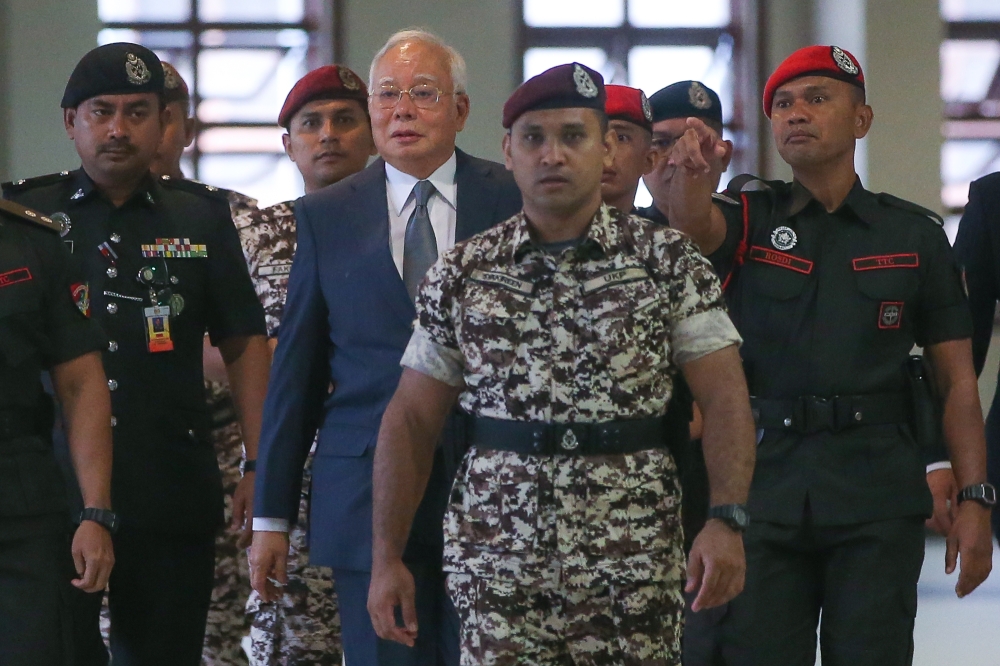
The High Court in Kuala Lumpur heard testimony on Tuesday that former Prime Minister Datuk Seri Najib Tun Razak repatriated approximately US$620 million following the 2013 general election, with the reason attributed to his personal discomfort with maintaining possession of the substantial sum. This disclosure forms part of the evidence presented in the former leader's protracted legal proceedings, which centre on allegations connected to the management and movement of significant funds through various financial channels.
The testimony placed particular emphasis on the subjective motivations behind the decision to return such a considerable amount of money. According to the account provided to the court, Najib's unease with holding the funds served as the primary justification for their repatriation. This explanation has become a focal point in the broader narrative surrounding the sources and destinations of monies that passed through accounts associated with the former premier during his tenure in office.
The trial has progressively unveiled the complex financial architecture that characterised the period around Malaysia's 2013 electoral cycle. Understanding the timing and context of fund transfers requires examination of the political and administrative environment of that era. The 2013 general election represented a significant moment in Malaysian politics, with considerable domestic attention focused on campaign financing and the mechanisms through which political parties and their leadership accessed resources for electoral activities.
Return of such substantial capital immediately following an election raises important questions about the origins and intended purposes of the money. Financial analysts and legal observers have noted that the timing and scale of international transfers of this magnitude typically warrant careful scrutiny, particularly when they involve former government officials during periods of heightened political activity. The movement of funds across borders by prominent political figures continues to occupy considerable space in Malaysian public discourse, especially given the country's historical experience with governance challenges.
This particular testimony represents one thread in what has proven to be an intricate evidentiary tapestry. The High Court proceedings have involved detailed examination of banking records, transaction trails, and communications spanning multiple years and jurisdictions. Each piece of testimony and documentary evidence contributes to the overall picture the court must construct regarding the ownership, source, movement, and ultimate destination of the funds in question.
The defence's reliance on the concept of personal discomfort as explanation for such a substantial financial decision warrants careful judicial consideration. Courts in Malaysia and internationally have grappled with questions of credibility and plausibility when evaluating explanations for the movement of large sums, particularly those involving public figures and occurring during periods of significant political activity. The High Court must weigh the testimony against available documentary evidence and the broader context of events surrounding the 2013 election period.
For Malaysian observers, this case continues to illuminate the importance of financial transparency and accountability among political leadership. The proceedings underscore the potential consequences when funds of uncertain origin flow through accounts connected to government officials, regardless of the stated motivations for their repatriation. Such cases establish important precedents regarding acceptable standards of conduct and the judicial system's capacity to scrutinise the financial dealings of those in positions of political authority.
The repatriation of funds following an election also raises considerations about foreign exchange management and Malaysia's regulatory framework governing international capital movements. Government agencies and financial institutions maintain strict protocols regarding the movement of large sums across borders. Understanding whether standard procedures were followed in this instance, and what authorisations, if any, were obtained for the transfer, forms part of the evidentiary foundation upon which the court must make determinations.
Regional perspectives on this trial reflect broader concerns across Southeast Asia regarding governance standards and the protection of public resources. Malaysia's willingness to pursue such proceedings through its judicial system sends important signals about institutional commitment to accountability, even when cases involve individuals who held the highest elected offices. The level of public scrutiny and international attention these proceedings have attracted underscores the significance attached to questions of financial propriety among political leaders across the region.
The trial's progression and ultimate outcomes carry implications extending beyond the immediate parties involved. Verdicts and judicial pronouncements in cases involving former senior government officials influence how Malaysian institutions, international partners, and citizens perceive the strength and independence of the domestic legal framework. The High Court's handling of complex evidentiary matters and its assessment of witness credibility will contribute to shaping public confidence in the nation's capacity to uphold standards of accountability.
Moving forward, the court must weigh the explanation offered for the fund repatriation against all available evidence, considering both documentary records and testimony from multiple witnesses. The determination of whether the proffered reason represents the genuine motivation for such substantial financial movement will significantly influence the broader findings the court eventually reaches regarding the original sources of the money and the purposes for which it was received.

