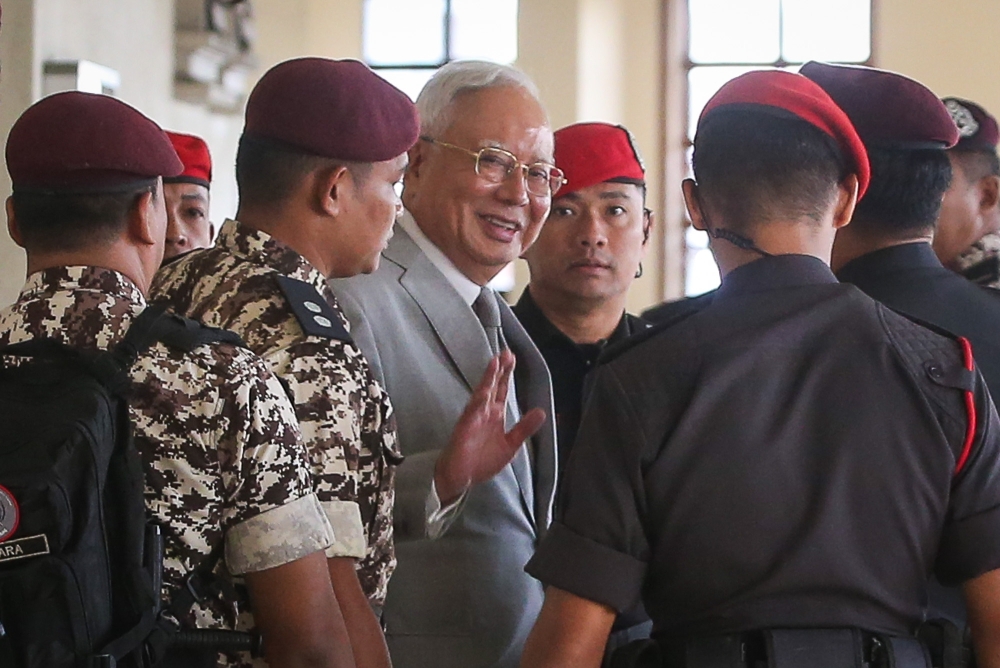
Datuk Seri Najib Razak, who served as Malaysia's prime minister until 2018, will undergo a cardiac procedure in the coming period, according to confirmation from his legal representatives. The announcement reflects a significant development in the health status of the prominent political figure, who has remained in public focus following his tenure in office and the controversies that followed his administration.
The procedure, as confirmed by Najib's lawyer, will address a cardiovascular health concern requiring medical intervention. While precise clinical details remain limited in the public domain, such procedures typically involve assessment and treatment measures determined by cardiologists specialising in heart conditions. The timing of the medical intervention suggests the necessity has become pressing enough to warrant formal announcement and preparation.
Najib's health situation comes during a period marked by considerable legal and political scrutiny. Following the conclusion of his premiership, the former leader has faced multiple court proceedings related to allegations spanning financial impropriety and governance issues. The announcement of his medical treatment adds another dimension to his current circumstances, as he balances health considerations alongside ongoing legal obligations and public appearances.
From a governance and leadership succession perspective, the health status of prominent political figures carries broader implications for Malaysia's political landscape. Najib, who remains an influential figure within the United Malays National Organisation (UMNO) and commands significant support among certain political constituencies, continues to be relevant to contemporary Malaysian politics. His potential reduced capacity or absence during medical treatment could influence party dynamics and political positioning, particularly as UMNO navigates its strategic direction following the 2022 election results and government formation.
The medical development also underscores broader conversations within Southeast Asia regarding the health and longevity of elder statesmen who continue wielding political influence. Unlike some neighbouring countries where former leaders transition to ceremonial roles, Malaysia's political landscape has consistently featured active participation of elder figures in party mechanisms and public discourse. Najib's continued prominence despite leaving office demonstrates this pattern, though health challenges may alter the trajectory of such involvement.
For observers tracking Malaysian politics, the procedure raises questions about Najib's future political activities and court appearances. His ongoing legal proceedings have already generated substantial national and international attention, particularly regarding 1Malaysia Development Berhad (1MDB) related charges and associated financial investigations. The timing and duration of medical treatment may intersect with scheduled court dates or political engagements, potentially creating procedural considerations within the judicial system.
The confirmation from his legal team represents standard practice for high-profile individuals facing significant public and media attention. Preemptive disclosure of medical circumstances allows controlled narrative management and demonstrates transparency regarding potential absences from public or legal proceedings. This approach reflects professional legal strategy in maintaining credibility and explaining any modifications to scheduled activities.
International observers, particularly those monitoring rule of law and accountability mechanisms in Southeast Asia, have maintained interest in Najib's case given its scale and implications for governance standards. His medical situation adds a human dimension to a politically charged saga, reminding constituencies that individuals remain subject to health vulnerabilities regardless of political stature or controversy surrounding their records.
Within the Malaysian public sphere, reactions to the announcement will likely reflect existing political alignments. Supporters may express concern and extend sympathy toward the former leader, while critics may maintain focus on outstanding accountability matters. The bifurcation of Malaysian political opinion regarding Najib has remained consistent since his exit from office, and health developments typically reinforce rather than fundamentally alter these entrenched positions.
The procedure's timing also intersects with UMNO's broader organisational activities and internal power structures. As the party continues navigating its coalition arrangements and internal renewal efforts, leadership health and availability remain factors influencing decision-making. Najib's current influence within party structures means his medical circumstances carry party-level implications beyond personal health considerations.
Medical interventions of this nature typically involve preparatory phases, the procedure itself, and recovery periods. Depending on the specific nature of the cardiac work required, timelines for full recovery and return to normal activities vary considerably. His legal and political commitments during this window will require careful coordination between medical advisors and his professional team.

