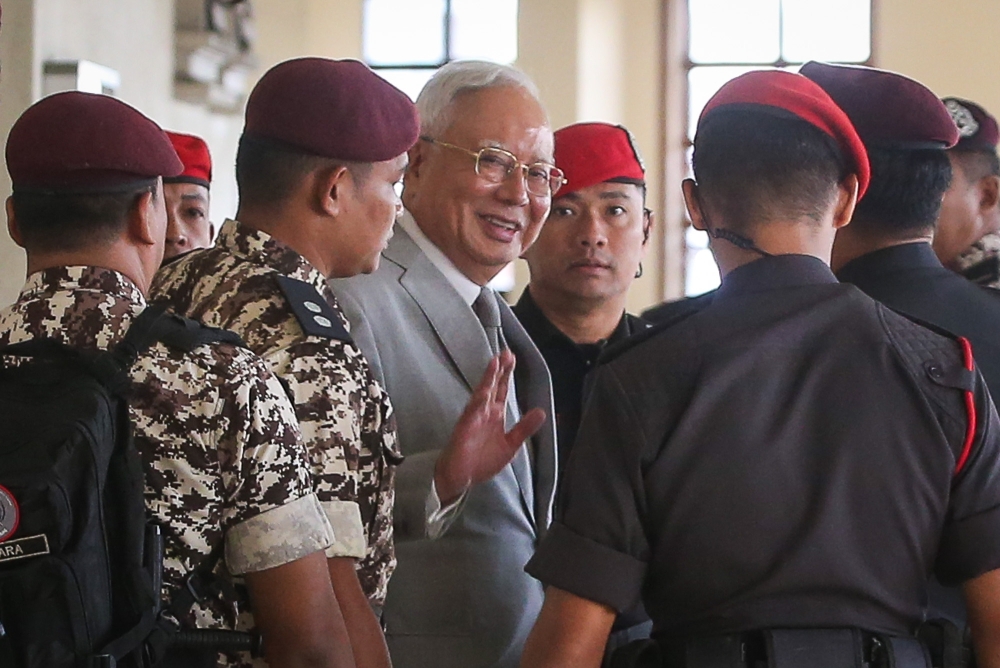
Former prime minister Datuk Seri Najib Razak is set to receive cardiac treatment at Serdang Hospital, with the procedure planned for the coming week. The announcement regarding the 71-year-old's medical intervention comes as the country continues to navigate significant political developments surrounding his ongoing legal cases and public profile.
The scheduled procedure at the government healthcare facility represents a routine medical intervention that has been arranged through established medical channels. Serdang Hospital, located in the Klang Valley region, serves as one of Malaysia's major tertiary cardiac centres and has the capability to perform advanced heart procedures. The timing of the intervention suggests that Najib's medical team has determined it appropriate to address his cardiovascular health at this juncture.
Najib's health management comes at a particularly notable period in Malaysian politics. The former prime minister, who led the country from 2009 until his coalition's electoral defeat in 2018, has maintained a significant public presence despite the array of legal challenges he has confronted. His continued prominence in political discourse, amplified through various media channels and public statements, reflects the enduring interest his name commands within Malaysia's political landscape.
The cardiac procedure carries implications beyond purely medical considerations, given Najib's continued involvement in high-profile legal proceedings. His various cases, which have drawn international attention and shaped Malaysian jurisprudence in significant ways, have proceeded through the courts while he has simultaneously maintained his political profile and commented on contemporary issues. Any extended medical leave or recovery period could theoretically affect his ability to attend court proceedings or engage in public activities.
From a healthcare system perspective, Najib's decision to utilise a public hospital rather than private facilities underscores the capabilities available within Malaysia's government medical infrastructure. Serdang Hospital's cardiac department has developed considerable expertise and maintains modern equipment necessary for complex interventions. This choice may also carry subtle political messaging, though the primary motivation undoubtedly centres on medical considerations and hospital capabilities.
The broader context of medical care for prominent political figures in Malaysia reveals how senior leaders typically access healthcare. While previous prime ministers have sometimes travelled abroad for medical treatment, the decision to remain within Malaysia's public healthcare system reflects confidence in local medical expertise. This pattern has become increasingly common as Malaysian hospitals have upgraded their capabilities and attracted internationally trained specialists.
Najib's health situation also warrants consideration within the framework of aging political leadership across Southeast Asia. As a septuagenarian navigating both health management and ongoing legal obligations, his circumstances mirror those of other regional political figures confronting comparable challenges. The intersection of age-related medical conditions, sustained public engagement, and legal responsibilities creates complex personal and political dynamics.
The procedure's scheduling during this particular week suggests coordination between his medical practitioners and court obligations, ensuring that treatment timelines align with his legal requirements. Malaysian courts have previously accommodated medical needs of defendants and accused persons, recognising that health emergencies may necessitate adjournments or modified arrangements. This principle applies equally to figures of political prominence.
Looking at the implications for Malaysian politics, Najib's continued health challenges underscore the reality that former leaders remain bound by the same biological constraints affecting all citizens. His generation of political leadership, which dominated Malaysian governance throughout the 1980s and 2000s, increasingly faces the cumulative effects of age and accumulated stress from high-pressure roles. This demographic reality will shape succession patterns and political dynamics across multiple parties.
The announcement demonstrates the Malaysian public's continued investment in developments affecting senior political figures, regardless of current position or party affiliation. Media coverage of such matters reflects both genuine public interest in the welfare of prominent individuals and the enduring scrutiny accompanying those who have wielded significant power. This attention reflects Malaysia's intensely personalized political culture, where individual leaders command sustained public focus.
For the broader healthcare narrative, Najib's case exemplifies how Malaysia's medical facilities continue to manage high-profile patients while maintaining professional standards and patient confidentiality. The balance between public interest and medical privacy remains delicate, particularly when involving figures of political consequence. Hospital administrators must navigate these competing demands while prioritising patient care.
As Najib approaches the scheduled intervention, the focus remains on his successful recovery and return to his various commitments. The procedure itself, while significant for his personal health trajectory, represents a moment when political considerations temporarily yield to medical imperatives. His recovery period will likely attract continued public attention, reflecting the enduring significance of former leaders within Malaysia's political consciousness and democratic discourse.

