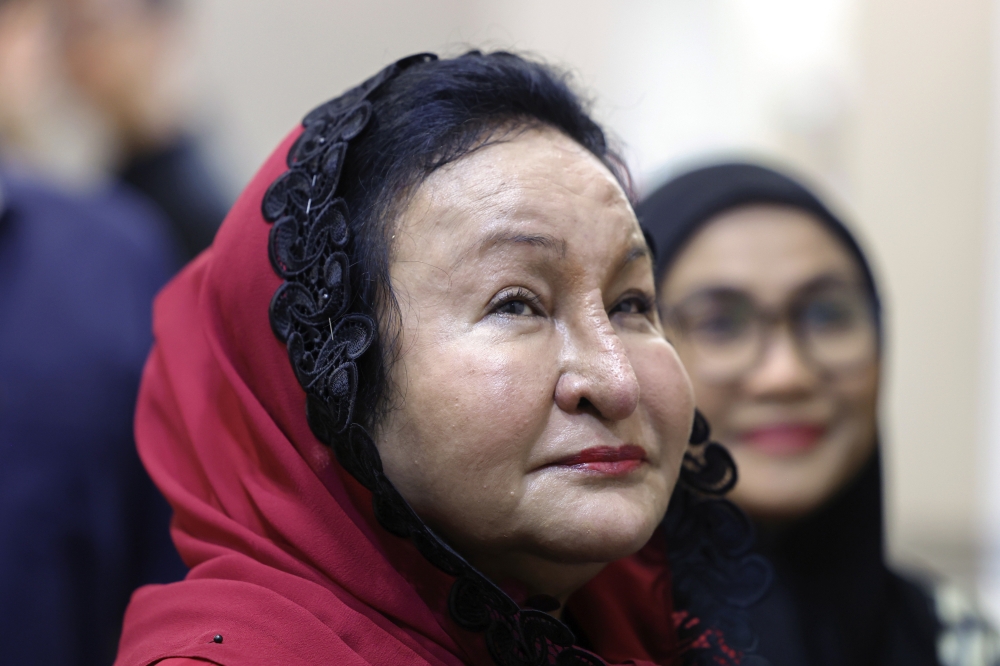
Former Prime Minister Datuk Seri Najib Razak will undergo a scheduled medical intervention to address plaque accumulation in the vicinity of a blood vessel, according to an announcement made by his wife, Datin Sri Rosmah Mansor. The procedure represents a routine cardiovascular health measure designed to maintain vascular integrity and prevent potential complications from arterial narrowing.
Rosmah disclosed the upcoming medical appointment during a public statement in Kuala Lumpur on July 19, confirming that Najib had arranged the intervention as part of his ongoing health management. Vascular procedures of this nature are commonly performed to address atherosclerotic buildup, which occurs when fatty deposits accumulate along arterial walls, potentially restricting blood flow to vital organs.
The timing of this disclosure comes as Najib continues to manage various personal and legal matters following his tenure as the nation's sixth Prime Minister. His health status has periodically been a subject of public interest, particularly given his prominence in Malaysian political circles and the various proceedings he has faced in recent years.
Arterial plaque removal procedures, often conducted through minimally invasive catheterization techniques or angioplasty, have become standard preventive care measures in modern cardiovascular medicine. Such interventions are typically recommended when diagnostic imaging reveals significant stenosis, or narrowing of blood vessels, that could compromise organ function or increase the risk of myocardial infarction or stroke.
The announcement reflects a broader awareness within Malaysia's political establishment regarding the importance of proactive health management, particularly among aging public figures who have served in demanding positions. Najib, who served as Prime Minister from 2009 to 2018, has remained a central figure in domestic political discourse despite stepping down from that role more than a decade ago.
Vascular health has emerged as an increasingly important concern across Southeast Asia, where lifestyle factors, dietary patterns, and aging populations have contributed to rising rates of cardiovascular disease. Malaysia, like many middle-income nations in the region, has witnessed growing incidence of conditions associated with arterial degradation, making preventive procedures such as Najib's increasingly common among both political leaders and the general population.
Rosmah's public statement regarding her husband's medical schedule suggests a family approach to managing health matters transparently, particularly when such interventions are routine and medically necessary. The disclosure also demonstrates how former senior political figures continue to attract public attention in Malaysia, where the line between private health matters and public interest remains subject to considerable public scrutiny and media coverage.
The procedure Najib will undergo underscores the importance of regular cardiovascular screening and early intervention when arterial complications are detected. Medical professionals typically recommend such preventive measures based on imaging results, patient history, and risk factor assessments, ensuring that interventions occur before acute vascular events can develop.
From a broader societal perspective, the normalization of discussing such medical procedures among high-profile individuals can contribute to public awareness regarding cardiovascular health risks and the availability of effective interventions. This transparency may encourage other Malaysians to seek appropriate medical evaluation and treatment for similar conditions, potentially reducing the burden of preventable cardiovascular complications across the nation.
Najib's medical schedule also intersects with his ongoing engagement in Malaysian public and political life, where he has maintained a visible presence despite his departure from high office. The former Prime Minister has continued to participate in various forums and discussions, suggesting that the procedure will not significantly impact his ability to remain involved in matters of public interest.
The announcement comes at a time when Malaysia's healthcare system continues to evolve, with advances in vascular medicine making procedures increasingly safe and effective. Both public and private healthcare facilities in the country now offer sophisticated diagnostic and interventional capabilities for addressing arterial disease, positioning Malaysian patients favorably compared to regional standards.
Rosmah's disclosure of Najib's upcoming procedure reflects the practical realities of aging among Malaysia's former leadership cadre, many of whom now focus on maintaining their health and managing chronic conditions. The transparency surrounding such medical matters also contributes to demystifying healthcare procedures that were historically treated as private matters, potentially benefiting public understanding of cardiovascular health management more broadly.

