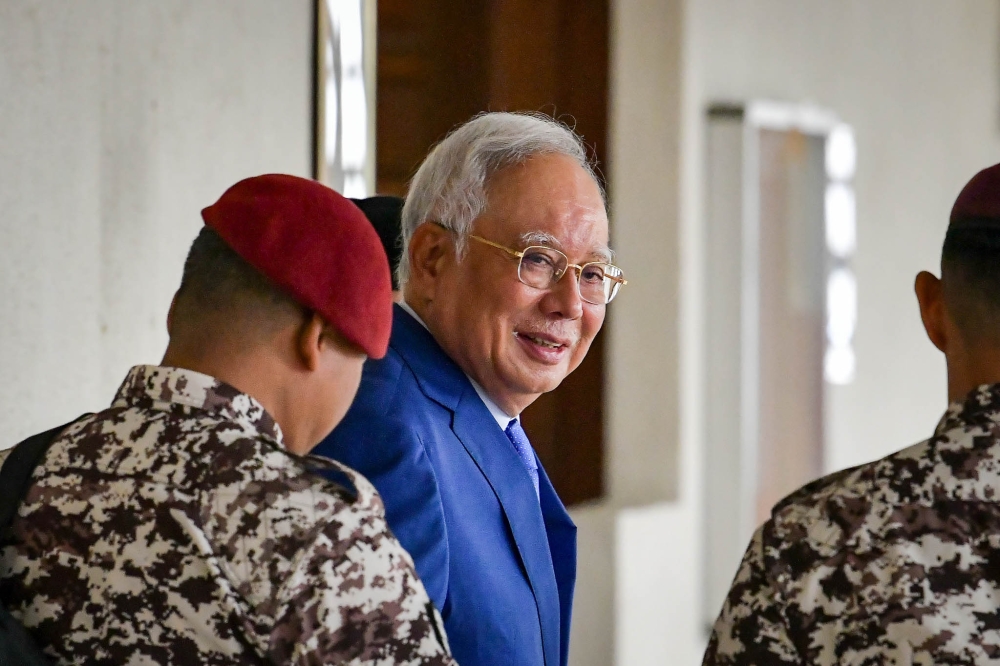
The High Court in Kuala Lumpur is examining sweeping allegations that 1MDB and its four subsidiary entities can demonstrate a pattern of financial misconduct and misappropriation totalling more than US$5.64 billion. The case, which centres on former Prime Minister Najib Razak's alleged role in directing state funds through the investment vehicle, represents one of Malaysia's most significant financial crimes in recent history and underscores broader governance concerns that reverberated through Southeast Asia's financial markets.
Prosecutors argued during proceedings that the evidence will establish how state funds destined for sovereign investment were diverted into private accounts and used for unauthorized acquisitions and transactions. The alleged scheme, they contend, represents a fundamental betrayal of the rakyat's trust and confidence in institutions tasked with stewardship of public resources. This framing places the case within a larger narrative about accountability and institutional integrity that has dominated Malaysian political discourse since 2018.
The 1MDB fund, established in 2009 as a vehicle for Malaysia's strategic development initiatives, became the subject of international scrutiny following investigations in Singapore, the United States, and Switzerland. The US Department of Justice's actions against individuals connected to the fund, including prominent figures in Malaysian finance and business, validated suspicions that the alleged misconduct had global dimensions and implicated foreign financial institutions.
Najib's defence maintains that his actions were consistent with his authority as Prime Minister and that he acted in what he believed were the fund's interests. This argument hinges on establishing the legal scope of executive authority over sovereign wealth structures and whether oversight mechanisms were adequately circumvented or bypassed. The High Court's examination of these claims will necessarily engage with fundamental questions about checks and balances within Malaysia's executive framework.
The prosecution's case relies on documentary evidence tracing fund flows, banking records revealing patterns of movement inconsistent with stated investment objectives, and testimony from former officials and financial operators involved in transactions. Investigators have painstakingly reconstructed the movement of billions of ringgit through multiple jurisdictions, revealing a labyrinthine structure designed to obscure the origins and destinations of funds.
For Malaysian readers, the trial carries implications extending beyond the immediate legal questions. The 1MDB episode damaged Malaysia's international reputation and investor confidence, contributing to broader economic uncertainty during a critical period of regional competition. Recovery of misappropriated funds remains incomplete, with ongoing international negotiations affecting domestic budgetary capacity for social programmes and infrastructure development.
The case also illuminates vulnerabilities in Malaysia's financial governance architecture that persist despite post-2018 reform efforts. Regulators, banking supervisors, and auditing authorities faced criticism for failing to detect irregularities earlier, prompting institutional reforms aimed at strengthening oversight mechanisms and creating more robust accountability frameworks. The High Court proceedings will necessarily examine how these safeguards functioned—or failed to function—during the critical period when fund movements accelerated.
Regionally, Malaysia's handling of the 1MDB investigation has become a reference point for Southeast Asian governance standards. Countries across the region face similar challenges balancing sovereign wealth management with transparent accountability, and observers internationally have monitored Malaysia's judicial response as an indicator of institutional resilience and rule-of-law commitments. A credible prosecution, conviction, or acquittal sends powerful signals about whether Southeast Asian democracies can effectively prosecute high-level financial crimes regardless of political position.
The trial timeline remains uncertain, with legal proceedings of this complexity typically consuming years of court time. Najib's legal team has signalled intentions to challenge prosecution evidence and contest interpretations of his authority and decision-making latitude. These procedural battles will likely occupy significant court resources before substantive findings emerge on the central allegations.
Investigators have recovered portions of misappropriated funds through international cooperation and asset seizures, though the full recovery picture remains incomplete. Parallel civil proceedings and international mutual legal assistance arrangements continue addressing recovery efforts, with implications for Malaysia's fiscal capacity and creditor relationships.
The High Court's examination of this case represents a watershed moment for Malaysian institutional accountability. Whether the judicial system can deliver credible findings on allegations of this magnitude—implicating a former prime minister and multiple institutional actors—will substantially influence public confidence in Malaysia's governance architecture and demonstrate the practical independence of the judiciary from political pressure.

