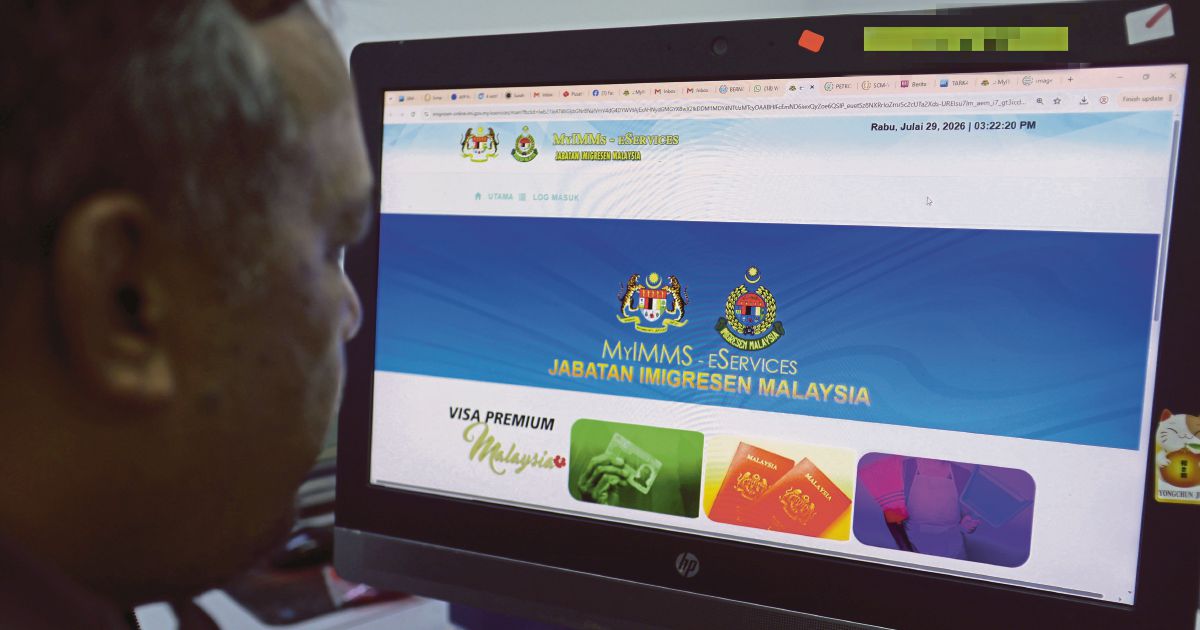
The compromise of Malaysia's Immigration System (MyIMMs) extends far beyond the typical scope of cybercrime investigations and should be formally classified as a national security threat, according to criminology experts examining the incident's broader implications. This distinction carries significant consequences for how Malaysian authorities respond, what resources they dedicate to the investigation, and ultimately how effectively the nation can protect itself against future incursions into critical infrastructure.
The difference in classification matters substantially. A conventional cybercrime case typically focuses on identifying perpetrators, recovering stolen data, and prosecuting those involved under existing computer fraud and misuse statutes. A national security incident, by contrast, triggers comprehensive threat assessments involving intelligence agencies, border security officials, and strategic policymakers. MyIMMs handles sensitive immigration records, visa histories, traveller profiles, and biometric data that directly influence who enters and exits Malaysian territory. When such systems are compromised, the ramifications extend to protecting the nation's borders, preventing the entry of dangerous individuals, and maintaining the integrity of identity verification processes that underpin both civilian and security operations.
The alleged hacking and subsequent manipulation of MyIMMs suggests a level of sophistication and intent that distinguishes it from opportunistic cybercriminals seeking quick financial gain. Manipulation—rather than simple data theft—indicates someone may have altered records, potentially allowing unauthorised individuals to enter the country or facilitating the movement of persons of interest across borders undetected. This capability poses direct threats to counterterrorism efforts, human trafficking prevention, and organised crime interdiction. A person with a criminal record could have their history erased from immigration databases. A person subject to travel restrictions might slip through with a clean record. These scenarios represent security vulnerabilities that extend beyond financial or reputational damage.
For Malaysia and Southeast Asia more broadly, the incident underscores vulnerabilities in digital infrastructure that increasingly underpins national governance. The region's rapid digital transformation has created both opportunities and risks. Countries across ASEAN have invested heavily in digitalising border processes, immigration systems, and identity management to improve efficiency and security. Yet cybersecurity maturity varies significantly across the bloc. A successful breach of one nation's critical immigration infrastructure raises questions about the resilience of regional systems and whether similar vulnerabilities exist elsewhere in Southeast Asia. This creates potential precedent and demonstrates attack vectors that could be replicated against neighbouring countries' border systems.
The stakes for Malaysia's international standing also warrant security-level attention. Immigration systems process data on foreign nationals, including diplomatic personnel, business travellers, and foreign workers. If such data is compromised or if system integrity is questionable, foreign governments may lose confidence in Malaysia's ability to protect sensitive information about their citizens. This could have diplomatic consequences and affect foreign investment decisions. International partners might hesitate to share intelligence or participate in coordinated security operations with a nation whose critical systems have been breached.
Security experts also point to the inherent opacity of some cyberattacks on government systems. A conventional investigation may never establish with absolute certainty who was behind the breach or what exactly they accessed and modified. This uncertainty itself constitutes a national security problem. If immigration authorities cannot be certain that their databases reflect genuine records rather than compromised entries, they operate in a state of compromised situational awareness regarding border security. The decision about which travellers to flag for additional screening, which individuals pose potential risks, and which records are trustworthy becomes fundamentally uncertain.
Declaring this a national security matter rather than standard cybercrime would also likely attract higher-level governmental coordination and greater investment of resources. Counter-intelligence agencies, the military, telecommunications regulators, and other entities with specialised capabilities could be mobilised. Information sharing protocols between agencies could be streamlined. International cooperation with cybersecurity specialists from allied nations could be accelerated. The investigation could incorporate threat intelligence from multiple sources rather than relying solely on digital forensics conducted by police cybercrime units.
Moreover, a national security framework allows for security clearances to extend investigation access into areas that ordinary criminal investigations cannot touch. Intelligence gathered through diplomatic channels, signals intelligence capabilities, and foreign liaison relationships could inform the investigation in ways that would be unavailable under standard criminal procedures. This could prove crucial in determining whether the breach was perpetrated by criminal networks, hostile state actors, or terrorist organisations—distinctions that have radically different implications for national strategy.
The treatment of MyIMMs as a national security incident also carries implications for how Malaysia addresses the problem publicly and internationally. Rather than focusing narrative around arrest statistics and cybercriminal convictions, the government could acknowledge the systemic vulnerability and communicate a comprehensive remediation strategy that includes system redundancy, international cooperation, and ongoing monitoring. This transparency could actually enhance rather than diminish confidence in Malaysia's security posture, particularly among foreign governments and business partners who rely on Malaysian border security.
Looking forward, the MyIMMs breach should catalyse a comprehensive audit of other critical infrastructure systems across Malaysia's government. Immigration systems are one of numerous essential services relying on digital infrastructure, from banking and finance to healthcare and utilities. If MyIMMs was vulnerable, systematic assessment should determine whether similar weaknesses exist elsewhere. This would ordinarily fall under national security purview rather than criminal investigation protocols.

