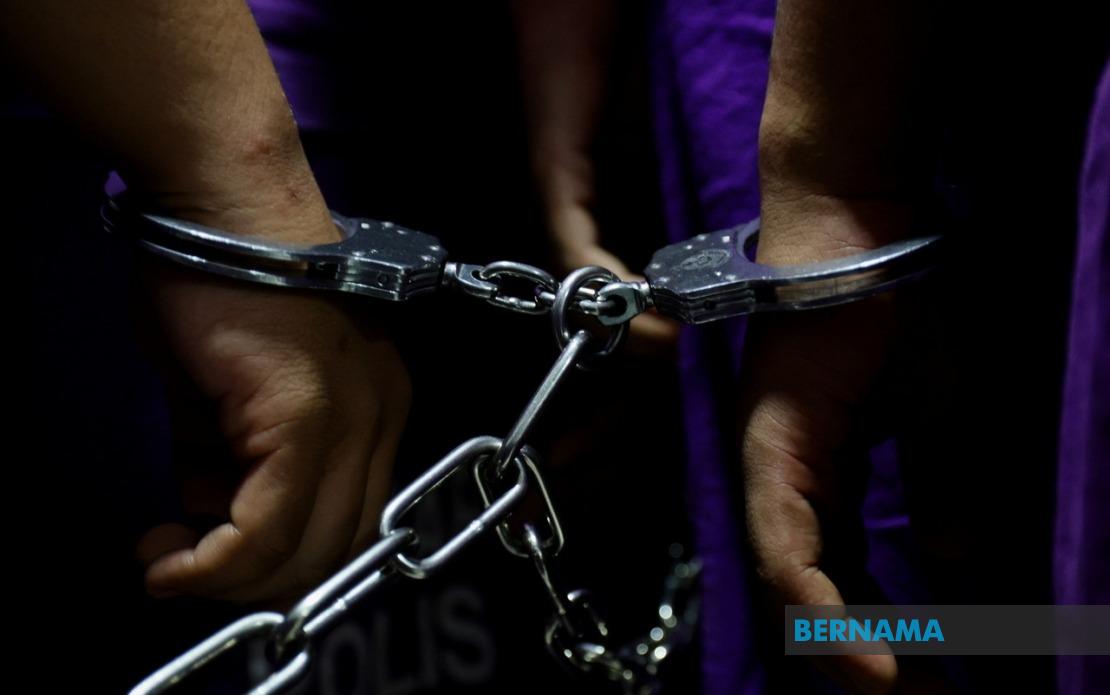
Myanmar's law enforcement has dismantled a robbery network operating across Mandalay region, culminating in the arrest of 13 individuals suspected of orchestrating coordinated heists on precious metal retailers. The breakthrough came following investigations into a July 20 robbery that targeted the Millionaire Gold Shop in Chanmyathazi Township, an incident that appears to have unravelled a broader criminal operation with deeper historical roots.
The first robbery case resulted in the apprehension of 11 individuals, comprising six men directly accused of the Millionaire Gold Shop theft and five additional co-conspirators implicated in the same incident. These arrests represent a significant haul in terms of recovered merchandise and implements of crime. Investigators retrieved more than 42 ticals—approximately 0.7 kilogrammes—of gold jewellery alongside loose cash, underscoring the financial incentives driving organised theft in Myanmar's jewellery sector. The discovery of a pistol, two magazines containing 27 rounds of ammunition, four motorcycles, a slingshot and 31 bolts suggests the gang employed both conventional and improvised weaponry whilst maintaining mobility through motorcycle transport.
What began as a straightforward investigation into a single commercial robbery evolved into a more substantial criminal inquiry when detectives identified a troubling pattern among the arrested individuals. Three of the six men detained over the Millionaire Gold Shop incident emerged as suspects in an earlier, seemingly unrelated robbery occurring on October 30, 2023. That earlier crime targeted the Paw Oo Gold Shop in Mahaaungmyay Township, indicating these individuals had operated within the criminal underworld for an extended period and perhaps enjoyed a degree of operational continuity across separate incidents.
The connection between the two cases demonstrates the value of systematic investigative work in cross-referencing crime scene evidence, suspect behaviour patterns and forensic findings. By establishing links between the July 2024 robbery and the October 2023 incident, authorities identified two additional suspects who allegedly facilitated the earlier Paw Oo Gold Shop theft. This incremental approach to building a comprehensive case file allowed investigators to construct a more complete picture of the network's structure and operational methodology, ultimately expanding the arrest list to encompass 13 individuals.
The geographical specificity of these crimes—both targeting jewellery retailers within the densely populated Mandalay region—suggests the gang possessed knowledge of commercial security arrangements, store layouts and cash handling procedures at their chosen targets. Gold shops operating in Myanmar's commercial heartland remain attractive marks for organised robbery due to the portable nature of their stock, the high intrinsic value of gold and precious metals, and the relatively limited resources available to Myanmar's law enforcement agencies for protective surveillance. The sophistication implied by the recovery of firearms indicates these were not opportunistic street crimes but rather planned operations conducted with deliberation.
From a regional perspective, this case highlights ongoing security challenges within Myanmar's commercial sectors as the country navigates complex political and economic circumstances. Armed robbery networks targeting retail businesses create ripple effects throughout local economies, deterring investment in commerce and contributing to broader instability. Jewellery retailers and gold shops serve as repositories of wealth and financial intermediaries, particularly in regions where formal banking infrastructure remains underdeveloped. Disruptions to these commercial functions have cascading consequences for ordinary citizens seeking safe mechanisms to store and preserve personal assets.
The investigation's revelation that individuals remained active in organised crime across an eight-month period—from October 2023 through July 2024—raises questions about the effectiveness of information sharing between law enforcement units and whether pattern recognition systems might have accelerated the identification of this criminal network. The recovery of weapons, particularly firearms, underscores concerns about illicit arms proliferation in Myanmar, a persistent challenge that complicates efforts to maintain public safety and commercial security.
Authorities have initiated legal proceedings against all 13 arrested suspects, a procedural step that will determine whether evidence collected during investigations meets evidentiary standards for prosecution. Myanmar's judicial system faces considerable pressures, and processing cases of this complexity requires adequate resources and institutional capacity. The formal commencement of legal action signals official recognition of sufficient probable cause to proceed toward potential conviction.
Police have publicly indicated that investigative efforts remain ongoing, with indications that additional suspects may remain at large. This acknowledgment suggests the arrested individuals may not represent the complete scope of the robbery network, or that other individuals contributed to these crimes in ancillary capacities not yet fully identified. Continued investigative work may uncover supply chains through which stolen gold is disposed of, fencing operations that convert stolen jewellery into cash, and potentially broader connections to other criminal enterprises.
For Malaysian readers and Southeast Asian observers, this case exemplifies challenges facing developing nations in combating organised commercial crime and protecting retail sector security. The sophistication exhibited by this robbery network—including vehicle procurement, weapon acquisition, coordination across multiple participants and targeting of specific commercial establishments—mirrors patterns observed in organised crime networks throughout the region. Law enforcement cooperation and intelligence sharing, mechanisms that Malaysia has increasingly emphasised through bilateral and multilateral frameworks, remain essential tools for disrupting cross-border criminal enterprises.

