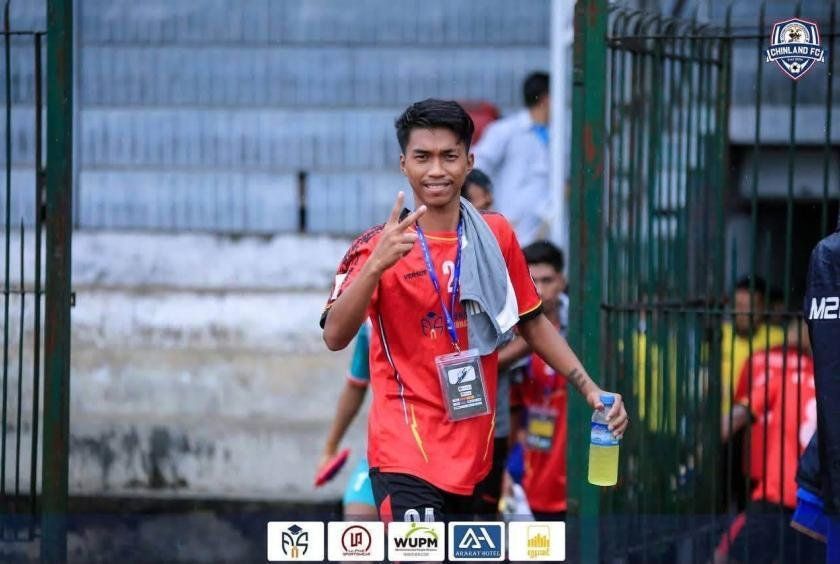
Chinland FC confirmed on the evening of August 29 that Pa Lung, a player who had vanished without trace for seven days, had been located and returned home safely. The football club's announcement brought relief to numerous people who had been deeply concerned about the athlete's whereabouts, including family members, supporters, and officials from Myanmar's football governing bodies.
The circumstances surrounding Pa Lung's sudden disappearance now appear straightforward, though they caused considerable alarm during the period when he remained unreachable. According to the club's official statement, the player had been compelled to make an urgent journey to his hometown following word of his mother's critical health condition. The gravity of the family emergency left him no opportunity to alert Chinland FC before departing, leaving the club and the broader football community in the dark about his status.
Communications challenges during his journey further complicated the situation. Pa Lung's mobile phone battery became depleted while he was travelling home, severing his ability to contact the club or respond to efforts to reach him. Combined with other technical difficulties he encountered along the way, the player found himself effectively isolated from the outside world at a moment when his absence was beginning to trigger concern among officials and supporters.
Chinland FC took the situation seriously from the outset. After exhausting initial attempts to locate Pa Lung, the club escalated its response by filing an official missing-person report with the appropriate police authorities. For five consecutive days, club officials conducted intensive searches and attempted multiple channels of communication, hoping to establish contact or gather information about his whereabouts. The prolonged silence, however, only deepened their anxiety about his safety and wellbeing.
When early efforts proved unsuccessful, Chinland FC made the difficult decision to appeal publicly for assistance. The club issued a formal statement requesting help from the wider community in locating the missing athlete. This public call for support reflected the club's genuine concern that something serious might have befallen Pa Lung, given the complete absence of any contact or information about his location.
The discovery that Pa Lung had been safe throughout his absence, and the subsequent clarification about the family circumstances that prompted his sudden departure, provided significant relief to everyone who had been involved in the search efforts. The footballer's safe return to the team allowed the organisation to shift focus from crisis management back to normal operations, while also acknowledging the emotional toll that a week of uncertainty had placed on those invested in his welfare.
Chinland FC's response to the resolution demonstrated the interconnected nature of Myanmar's football community. The club extended particular gratitude to the Myanmar Football Federation and Myanmar National League for their institutional support during the emergency. The statement also acknowledged invaluable assistance from government authorities, media organisations that had amplified the appeal for information, and the Myanmar Police Force, whose official capacity and resources had contributed to the search operation.
The incident underscores practical vulnerabilities that athletes in developing football systems sometimes face. The combination of limited battery backup infrastructure, inconsistent communication networks in certain regions of Myanmar, and the competing pressures of family emergencies versus club obligations reveals genuine challenges that players navigate in their daily lives. Pa Lung's situation, while ultimately resolved positively, illustrates how quickly a personal crisis can escalate into a public concern when institutional notification procedures break down.
For Malaysian and Southeast Asian readers, the story offers perspective on how football clubs across the region operate during emergencies and the importance of establishing communication protocols that account for genuine family crises. The measured response by Chinland FC—combining immediate internal investigation, police involvement, and public appeal—reflects best practices that could serve as a model for other clubs facing similar situations. The club's decision to involve multiple stakeholders and leverage both formal and informal networks demonstrated professional crisis management within a resource-constrained environment.
The resolution also highlights the resilience of Myanmar's football infrastructure during challenging circumstances. Despite limited resources compared to wealthier sporting nations, the Myanmar Football Federation, National League, and police authorities coordinated effectively to assist in locating the missing player. This collaborative approach, involving government bodies, media organisations, and civil society elements, offers lessons for how sporting communities can mobilise support during emergencies.
Looking forward, the incident may prompt Chinland FC and potentially other clubs in Myanmar's National League to strengthen their player communication protocols. Establishing procedures whereby athletes can quickly notify management of genuine family emergencies, while ensuring access to charging facilities or backup communication methods, could prevent similar situations. Enhanced protocols need not be elaborate but should recognise the legitimate tension between professional obligations and family responsibilities that players inevitably face.

