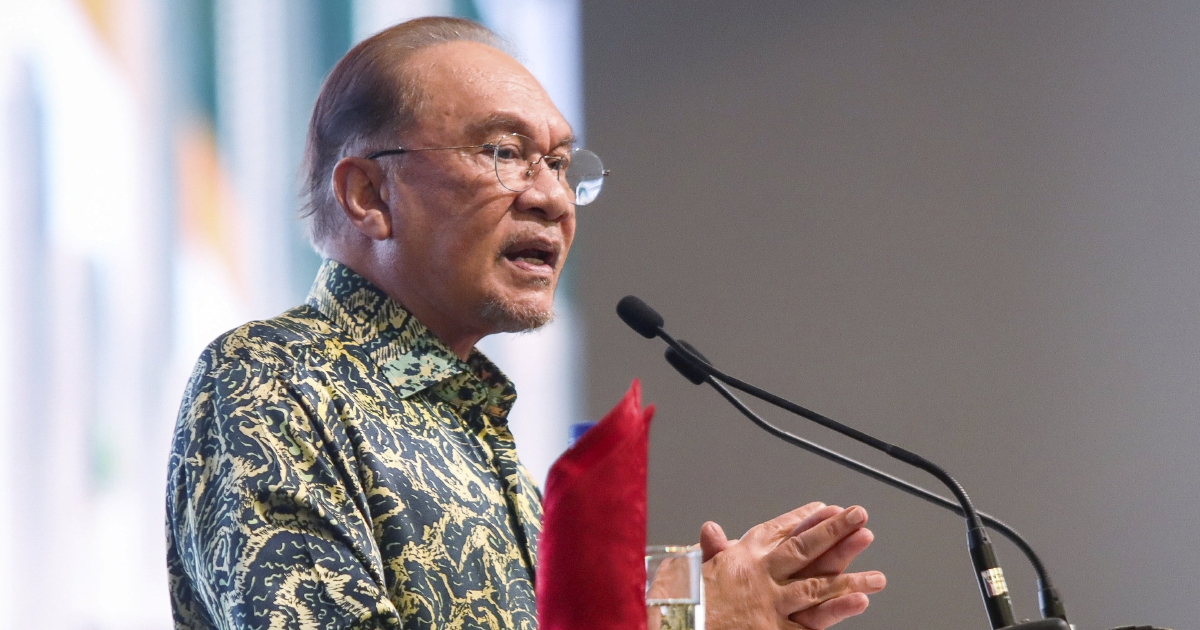
Myanmar has signalled its willingness to repatriate an initial cohort of 5,000 Rohingya from Malaysia following direct negotiations between Kuala Lumpur and Naypyidaw, Prime Minister Datuk Seri Anwar Ibrahim announced recently. The agreement represents a significant diplomatic development in addressing one of Southeast Asia's most intractable humanitarian challenges, though observers caution that implementation remains uncertain given Myanmar's track record on similar commitments.
The announcement was made during a visit to Jelebu, underscoring Malaysia's continued struggle with its refugee populations. Malaysia currently hosts approximately 180,000 registered Rohingya through the United Nations High Commissioner for Refugees, alongside undocumented arrivals, making it one of the largest concentrations of this displaced community outside Bangladesh. The financial and social burden of managing such numbers has strained public services and fuelled periodic backlash among Malaysian communities competing for resources.
Anwar's statement signals a potential thaw in Malaysia-Myanmar relations on this divisive issue. Previously, Myanmar's ruling junta has been reluctant to facilitate repatriation, creating a deadlock that left hundreds of thousands trapped in camps and informal settlements across the region. The timing of this agreement coincides with broader diplomatic overtures and the complex balancing act Southeast Asian nations must perform regarding Myanmar's political situation. For Malaysia, securing even a phased return process offers a pathway to reduce domestic pressure while maintaining humanitarian credibility.
The repatriation framework would necessarily involve international oversight and safety guarantees, given widespread documentation of atrocities and ongoing security concerns in Myanmar's Rakhine State, where most Rohingya originated before fleeing persecution. Organisations monitoring the situation have stressed that any agreement must include robust verification mechanisms and transparent resettlement processes to prevent coercion or unsafe conditions. The initial 5,000 figure, while symbolically important, represents only a fraction of Malaysia's overall refugee burden.
Bangladesh, which shelters nearly a million Rohingya in sprawling camps, has long pressured Myanmar and the international community to enable large-scale repatriation. That nation's capacity to absorb more refugees is essentially exhausted, making Malaysia's parallel efforts crucial to regional stability. However, Bangladesh's own experience demonstrates the challenges of facilitating returns; despite some limited repatriation efforts, the majority of refugees remain fearful of conditions in Myanmar and reluctant to return.
The announcement raises questions about voluntary participation and individual choice within the repatriation process. Myanmar's governance structures and security apparatus have generated widespread scepticism regarding freedom of consent. Rights groups will likely scrutinise whether participating Rohingya genuinely choose to return or face indirect pressure through reduced assistance or benefits in Malaysian settlements. Malaysia's government will need to demonstrate that selections are made transparently and that participants can withdraw without penalty.
From a regional perspective, this development reflects growing ASEAN pragmatism on Myanmar. While condemning the humanitarian crisis rhetorically, member states have largely accepted the junta's governance, allowing it to occupy Myanmar's ASEAN seat. Malaysia's bilateral breakthrough with Myanmar on refugee issues suggests that practical engagement—rather than isolation—is the bloc's preferred strategy for influencing the country's policies. This approach prioritises immediate problem-solving over principled stands, a tension that continues to define Southeast Asian diplomacy.
Implementation timelines remain unclear. Large-scale repatriation requires logistical coordination across multiple agencies, including transport, border processing, and reception arrangements in Myanmar. The international community will likely demand monitoring mechanisms to prevent forced returns or mistreatment. Previous regional attempts at structured repatriation have stumbled due to administrative capacity, funding shortages, and political wavering on both sides.
For Malaysian authorities, successfully executing even modest repatriation numbers could reshape public discourse around the refugee issue. Domestic constituencies increasingly view large refugee populations as threats to employment, housing, and social cohesion. Demonstrating tangible progress in managing refugee numbers through repatriation rather than containment in camps offers political advantages. However, this approach must be balanced against legitimate humanitarian concerns that repatriation to an unstable environment constitutes a betrayal of refugee protection principles.
The agreement also signals Myanmar's underlying calculation regarding international re-engagement. As the junta seeks gradual legitimisation and sanction relief, cooperating with neighbouring countries on refugee management offers symbolic progress on humanitarian concerns without fundamental political change. For Malaysia, the arrangement provides a diplomatic win that addresses both domestic pressures and international obligations to vulnerable populations.

