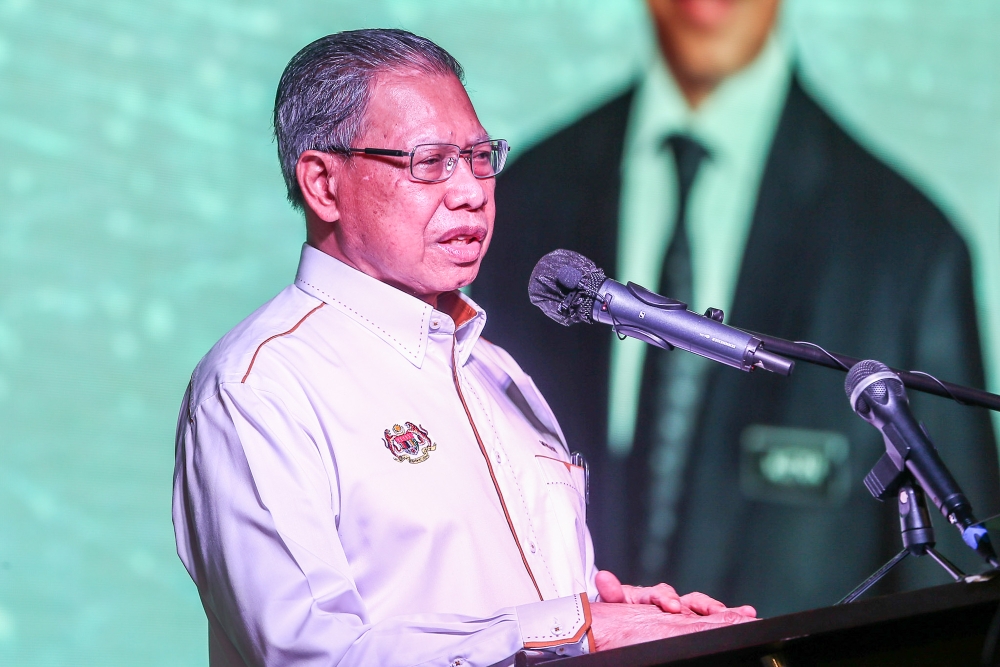
Datuk Seri Mustapa Mohamed, the veteran politician who represented Jeli for decades, has definitively closed the door on any political comeback, announcing at 76 that he will not contest in the next general election. Speaking in Pasir Mas, the former Member of Parliament reinforced his earlier statements about stepping away from frontline politics, signalling that his extensive career in Parliament has reached its natural conclusion. His declaration comes at a time when Malaysian politics continues grappling with questions about generational renewal and the transition of power from long-serving political figures to a new cohort of leaders.
The emphasis of Mustapa's statement extends beyond merely confirming his personal retirement from electoral politics. Instead, he has articulated a broader vision for the country's political future, stressing that the responsibility for guiding Malaysia through its next chapter must fall to younger politicians with fresh perspectives and energy. This framing positions his withdrawal not as an individual choice but as part of a necessary evolution in the country's democratic system. By actively encouraging the next generation to step forward, Mustapa is acknowledging the importance of creating political space for emerging talents who can address contemporary challenges facing the nation.
At the heart of Mustapa's intervention lies an implicit recognition of the tensions within Malaysian politics between entrenched power structures and the need for renewal. Senior politicians who have accumulated decades of parliamentary experience often occupy prominent positions within their parties and government structures, which can inadvertently create bottlenecks for ambitious younger members seeking to rise through the ranks. His call for generational transition addresses this dynamic directly, suggesting that veterans who decide to exit electoral politics contribute meaningfully to opening pathways for their successors. This perspective aligns with broader global conversations about political renewal and the importance of avoiding a gerontocracy.
Mustapa's political career spanned multiple decades and encompassed significant periods of Malaysian political history. His long tenure as a Member of Parliament allowed him to accumulate substantial experience navigating the complexities of parliamentary procedures, constituency management, and policy formulation. The depth of this experience, while valuable for the country, could potentially shield him from electoral pressure if he chose to continue contesting. His decision to voluntarily exit instead demonstrates a recognition that political energy and fresh ideas become increasingly important as nations confront evolving social, economic, and environmental challenges that younger generations may be better positioned to address.
The timing of Mustapa's declaration carries particular significance within the Malaysian political context. General elections in Malaysia typically occur at intervals when the incumbent government decides to seek a fresh mandate, and the prospect of GE16 remains several years away. By stating his position now with such clarity and firmness, Mustapa provides his party and constituency with sufficient time to identify and groom potential successors. This advance notice facilitates smoother transitions and allows aspiring younger politicians to begin building their profiles and constituent relationships in preparation for future electoral contests. It represents a form of political statesmanship that recognises the collective benefit of allowing sufficient transition periods.
For younger Malaysian politicians within Mustapa's party, his withdrawal creates tangible opportunities for advancement. Whether in terms of contesting his parliamentary seat or assuming higher-level positions within party structures, the departure of senior figures creates vacancies that can be filled by emerging talents. However, this observation also points to a broader concern in Malaysian politics: that generational transitions often happen reactively rather than proactively. When senior politicians like Mustapa voluntarily signal their retirement well in advance, it allows for more deliberate, merit-based selection processes rather than hasty appointment of successors at the last minute. This contributes to better institutional outcomes and ensures that younger leaders are properly prepared for responsibility.
Mustapa's emphasis on younger leadership also resonates with aspirations held by many Malaysian voters who seek greater representation from politicians who have grown up in more contemporary Malaysia. Younger political candidates often bring different priorities, communication styles, and policy approaches compared to their senior counterparts. They may have different views on issues ranging from digital policy and climate change to urban development and social welfare. The infusion of these perspectives into Parliament strengthens legislative deliberation and ensures that policy frameworks remain responsive to evolving national needs. Voters across the political spectrum increasingly express preferences for candidates who demonstrate direct experience with modern challenges facing their generation.
Beyond individual parties, Mustapa's statement reflects a pattern emerging across Malaysian politics where senior figures recognise the necessity of managed transitions. This contrasts sharply with scenarios where aging politicians cling to positions, resisting succession planning until health crises or electoral defeats force abrupt changes. When transitions occur proactively and deliberately, political parties can maintain institutional stability while simultaneously refreshing their public image and policy platforms. This balance proves crucial for parties seeking to remain electorally competitive over multiple election cycles. Mustapa's approach exemplifies political maturity and institutional consciousness.
The broader implications of his declaration extend to questions about governance quality and representation. Malaysian politics, like many democracies globally, has witnessed ongoing debates about whether sufficient numbers of younger, diverse candidates receive opportunities to contest elections and serve in Parliament. Barriers to entry for aspiring young politicians can manifest in various forms, from party selection processes that favour established figures to the economic demands of mounting electoral campaigns. When senior politicians voluntarily exit, they reduce these structural barriers and create clearer pathways for younger competitors. This democratisation of opportunity strengthens the overall health of the political system by ensuring that leadership positions remain genuinely contestable across generational lines.
Mustapa's intervention also carries an implicit message to other senior political figures about the importance of succession planning and generational responsibility. His words suggesting that younger leaders should assume direction of the country reflect a philosophical stance on governance that prizes continuity alongside necessary change. Rather than portraying generational transitions as periods of instability or uncertainty, his framing emphasises them as natural progressions that strengthen democratic systems when managed thoughtfully. Political cultures that normalise and celebrate such transitions tend to experience smoother institutional operations and more stable democratic development over time. For Malaysian politics, which has experienced periods of considerable turbulence, normalising managed transitions represents progress toward institutional maturation.
Looking forward, Mustapa's confirmation that he will not contest GE16 establishes expectations for succession within his constituency and party. Potential successors will begin positioning themselves to inherit both his parliamentary seat and his political legacy. This process, while sometimes contentious within parties, ultimately serves the democratic system by forcing internal organisations to evaluate their membership and identify candidates with genuine grassroots support and policy credentials. The visibility of this process, even when internal, educates voters about their representatives and helps maintain connection between elected officials and their constituencies. Furthermore, it ensures that candidates who eventually contest elections have demonstrated capability to navigate party politics and build meaningful political networks.
For Malaysian voters and observers of regional politics, Mustapa's statement deserves recognition as an instance of political leaders consciously stepping aside to facilitate generational renewal. In an era characterised by significant global challenges ranging from economic transformation to climate adaptation, having younger leaders with contemporary education and life experience assume political responsibility becomes increasingly important. Mustapa's call resonates particularly strongly in Southeast Asia, where demographic trends and rapid social change create urgent imperatives for political systems to demonstrate adaptability and responsiveness. His words, though focused on Malaysia's immediate political situation, carry lessons relevant across the broader region about the necessity of managing generational transitions thoughtfully and deliberately.

