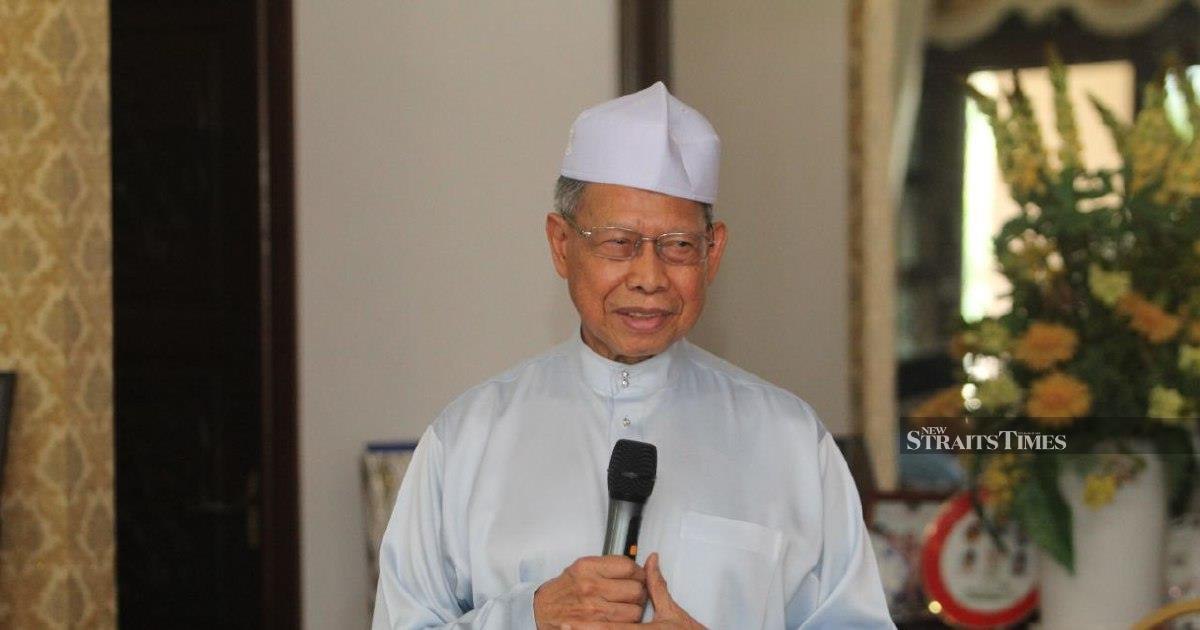
Datuk Seri Mustapa Mohamed, the seasoned Umno politician who recently returned to the party, has made clear that his plans for the forthcoming general election do not include seeking elected office. Speaking in his Pasir Mas constituency, the former Jeli member of parliament explained that personal health concerns have influenced his decision to remain on the sidelines during what is expected to be a pivotal electoral contest for the ruling coalition.
The veteran lawmaker's candid assessment of his physical condition reflects a broader pattern among Malaysia's older generation of political figures, who are increasingly stepping back from frontline electoral battles as age and health challenges mount. Mustapa's withdrawal signals a significant transition within Umno's leadership structure, particularly given his long history representing constituencies in the northeast. His announcement comes at a time when the party is reshaping its candidate list and preparing for a competitive national contest.
Mustapa's recent return to Umno after a period away from the party had generated speculation about his electoral prospects and role in the upcoming polls. Political observers had noted his comeback as potentially significant given his experience and connections within the party machinery. However, his explicit ruling out of a candidacy removes a variable from the calculations surrounding nomination strategies in several states, particularly Kelantan where his Jeli seat holds considerable symbolic weight within party politics.
The decision underscores the physical demands of modern campaigning, which typically requires candidates to engage in roadshows, community visits, and high-energy public appearances across their constituencies. For politicians of advanced age, such campaigns can prove physically taxing. Mustapa's straightforward acknowledgement of these realities stands in contrast to some of his contemporaries who continue to contest despite similar health-related challenges, demonstrating individual differences in how senior politicians assess their capacity to serve.
Umno's succession planning has been a contentious topic in recent years, with the party facing pressure to integrate younger leaders while retaining the experience and networks of established figures. Mustapa's stepping back from the electoral arena may create opportunities for mid-ranking party members to contest coveted nominations, potentially accelerating generational transition within the party's organizational structure. This shift could reshape the composition of Umno's parliamentary contingent following the next election.
His statement also carries implications for Kelantan politics, where Umno continues its long struggle against PAS control of the state government. The northeast region remains strategically important for federal coalition politics, and changes in candidate representation could influence voter sentiment in what is often a closely contested battleground. Mustapa's withdrawal means one fewer experienced operator defending Umno's interests in a region where the party's organisational strength continues to matter despite PAS's state-level dominance.
The broader context of Malaysian electoral politics shows a pattern of senior leaders timing their retirements strategically around general elections. Some choose to depart at the height of their influence, while others remain in their seats despite declining health. Mustapa's choice reflects pragmatism and perhaps a recognition that effective parliamentary representation demands more than ceremonial duties. This perspective aligns with evolving expectations among younger voters who increasingly demand visible, active constituency engagement from their elected representatives.
Mustapa's political career spans several decades and multiple electoral cycles, giving him substantial insight into the party machinery and national politics. His decision to remain within Umno while declining to contest suggests he may continue contributing to party affairs in advisory or organizational capacities. Such roles have become increasingly common among senior figures who wish to remain politically engaged without the rigours of electoral contestation and parliamentary duties.
The timing of his announcement allows Umno adequate opportunity to finalize its nomination strategy for the affected constituencies. Early clarity on candidate intentions helps party leadership allocate resources efficiently and manage internal faction dynamics. Mustapa's transparent communication contrasts with some political situations where decisions remain ambiguous until nomination deadlines approach, creating uncertainty within party structures and among grassroots supporters.
For Malaysian voters and observers, Mustapa's withdrawal represents another marker of generational change within the country's dominant political formation. The cumulative effect of retirements among senior leaders, combined with ongoing recruitment of younger candidates, continues reshaping Umno's parliamentary profile. These transitions ultimately influence not only party dynamics but also the quality and character of legislative representation in parliament.

